What Is Speculative Fiction?
(And Why You're Probably Already a Fan)
Let me guess. Someone mentioned “speculative fiction” and you nodded along like you totally knew what they meant. Or maybe you've seen it on a bookstore shelf or in a class syllabus and thought, "Is that just a fancy word for sci-fi?"
Well, sort of. But also so much more. Let's break it down, because once you understand what speculative fiction actually is, you'll start seeing it everywhere — and you'll probably realize it's been your favorite genre all along.
This post contains affiliate links. I may earn a commission at no extra cost to you.
So What Does “Speculative Fiction” Actually Mean?
At its core, speculative fiction is an umbrella term for any story that asks "what if?" — and then commits fully to answering that question. It's fiction that speculates. Fiction that takes reality, tweaks one (or several) fundamental things about it, and then explores the consequences.
The term is often credited to Robert A. Heinlein, who used it in the 1940s to describe science fiction that was more focused on ideas and social commentary than on gadgets and adventure. Over time, it evolved into a broader category that houses several genres under one roof.
Think of it this way. If a story contains something that couldn't exist in our current, documented reality—whether that's faster-than-light travel, magic, dragons, a dystopian government, or time travel—there's a good chance it fits somewhere under the speculative fiction umbrella.
The Big Genres That Live Under the Umbrella
Science Fiction
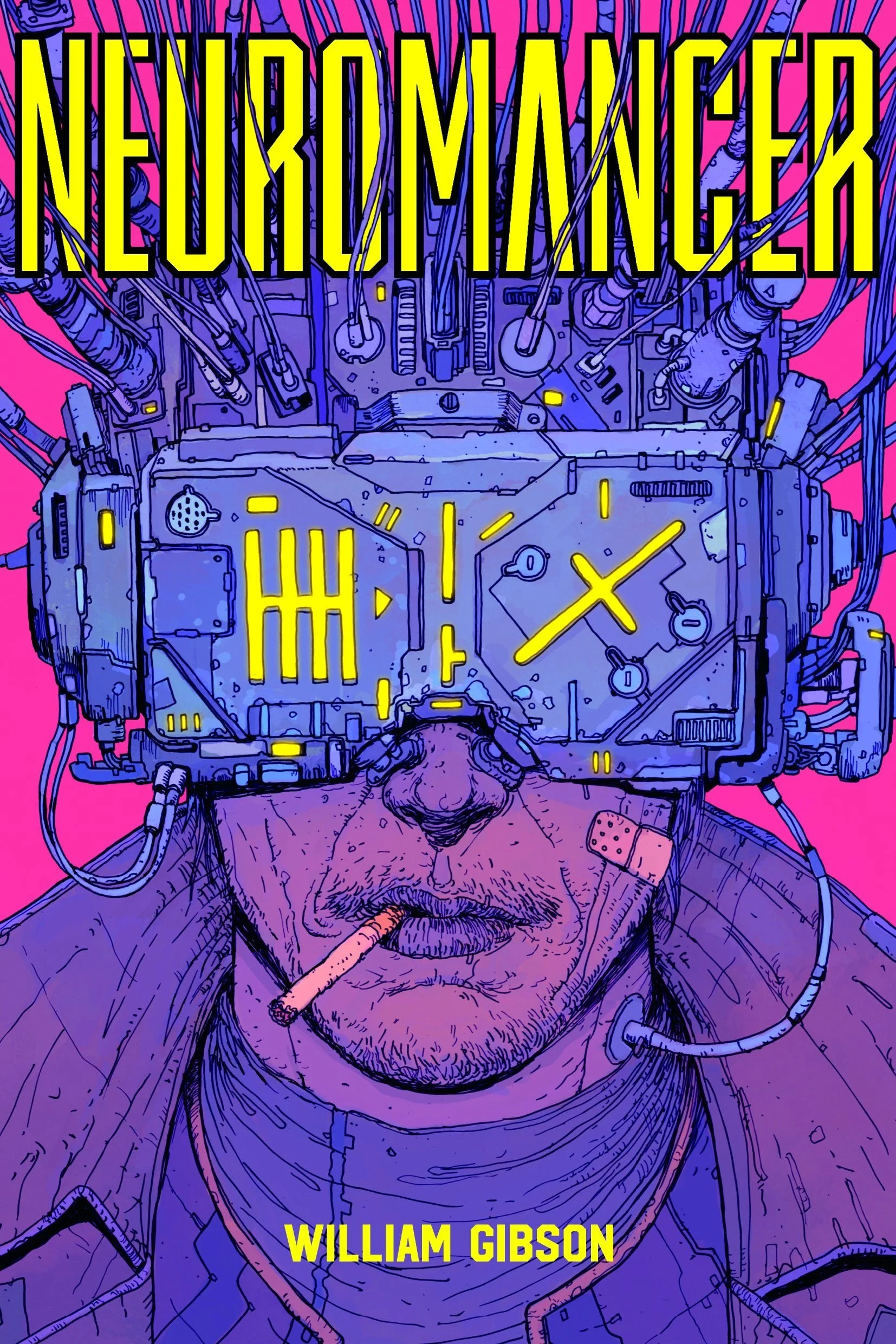
Science Fiction is probably the most familiar resident. Sci-fi speculates about the future, technology, space, artificial intelligence, and the impact of scientific progress on humanity. Think Dune, The Left Hand of Darkness, Neuromancer. It tends to ground its “what ifs” in scientific or technological plausibility — even if it stretches that plausibility quite a bit.
Fantasy
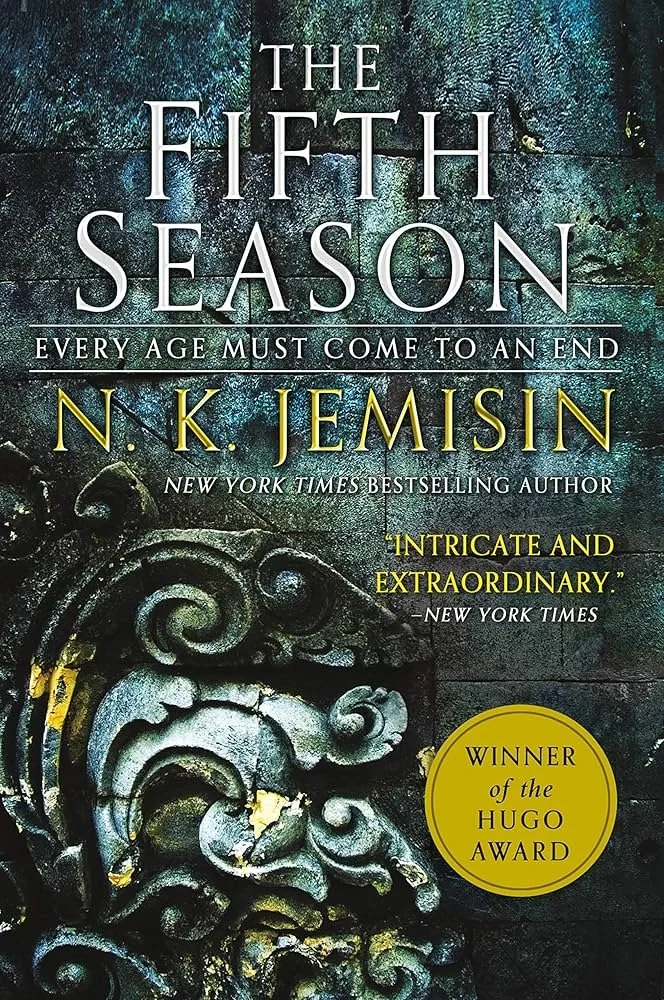
Fantasy throws plausibility out the window in the best possible way. Magic is real, worlds are built from scratch, and the rules of our universe don't necessarily apply. From Tolkien's Middle-earth to N.K. Jemisin's Broken Earth, fantasy uses impossible worlds to say deeply true things about power, identity, and what it means to be human.
Horror
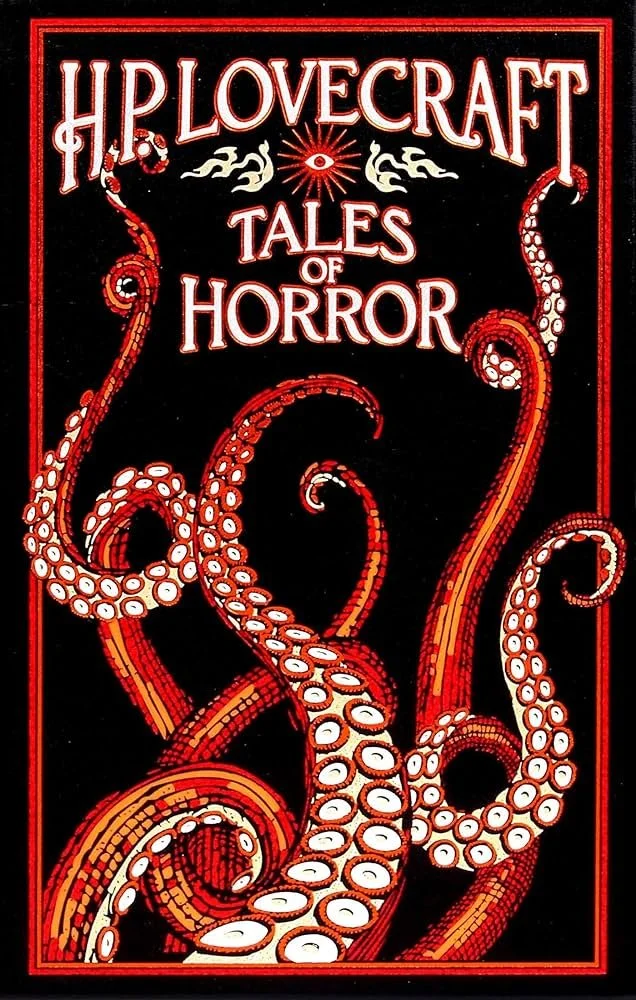
Horror, and particularly supernatural horror, also fits here. When a story involves ghosts, demons, cosmic entities, or inexplicable evil, it's speculating about what might lurk beyond our understanding. Shirley Jackson and H.P. Lovecraft (problematic as he was) are firmly in speculative territory.
Alternate History
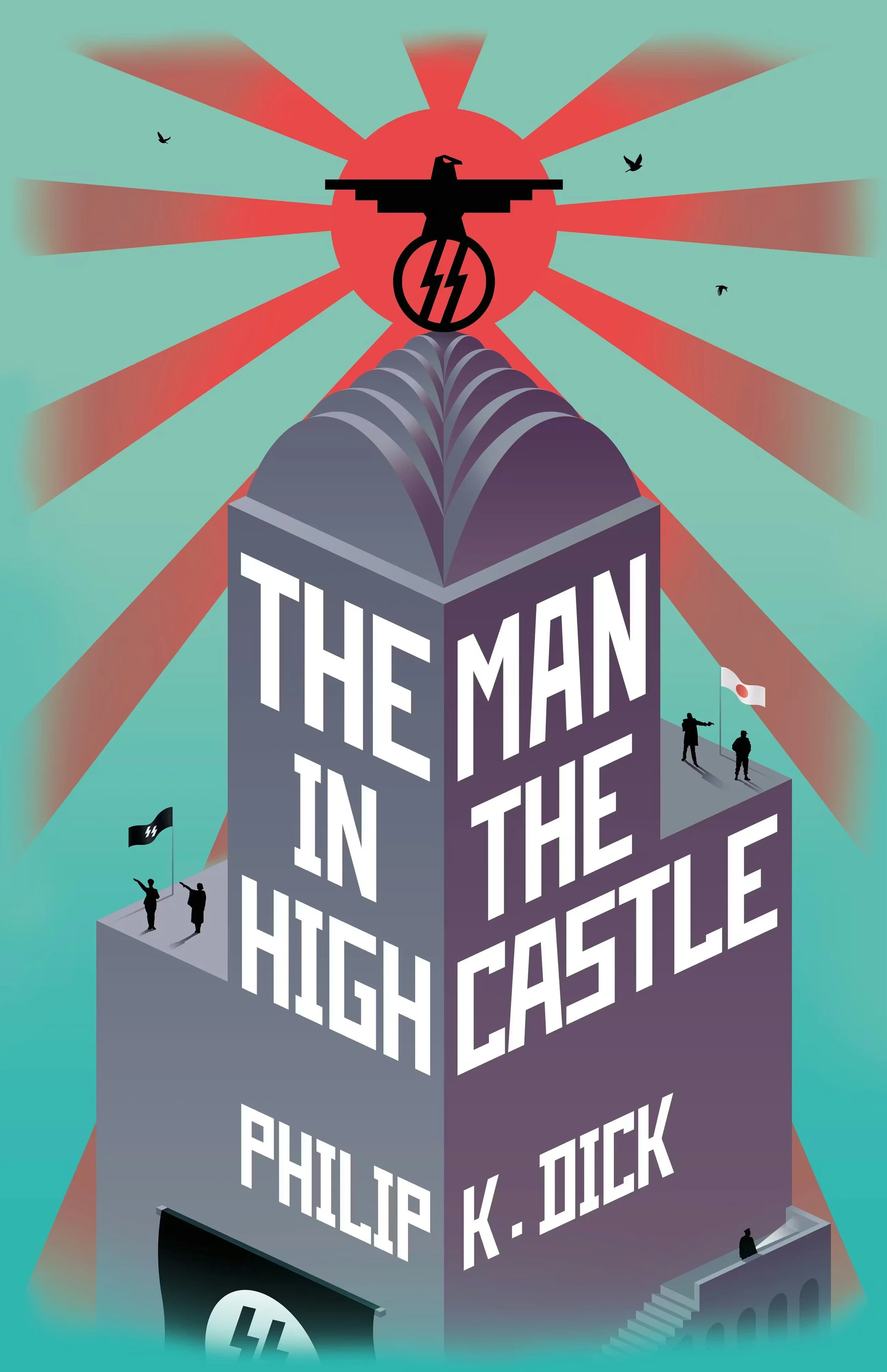
These books ask: what if a key historical event had gone differently? What if the South won the Civil War? What if the Nazis won World War II? (The Man in the High Castle does exactly this.) These stories use historical divergence to explore how fragile our present really is.
Dystopian & Utopian
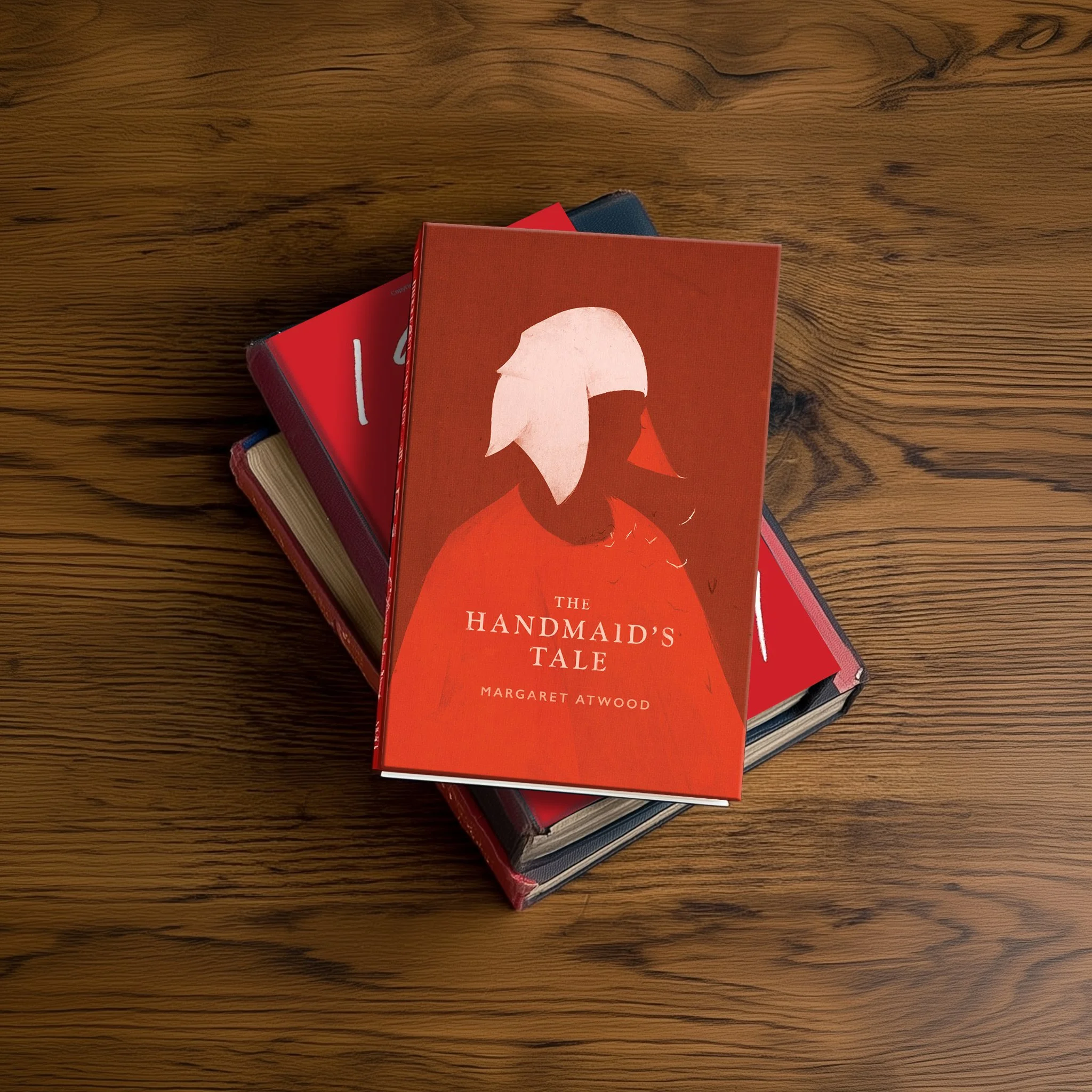
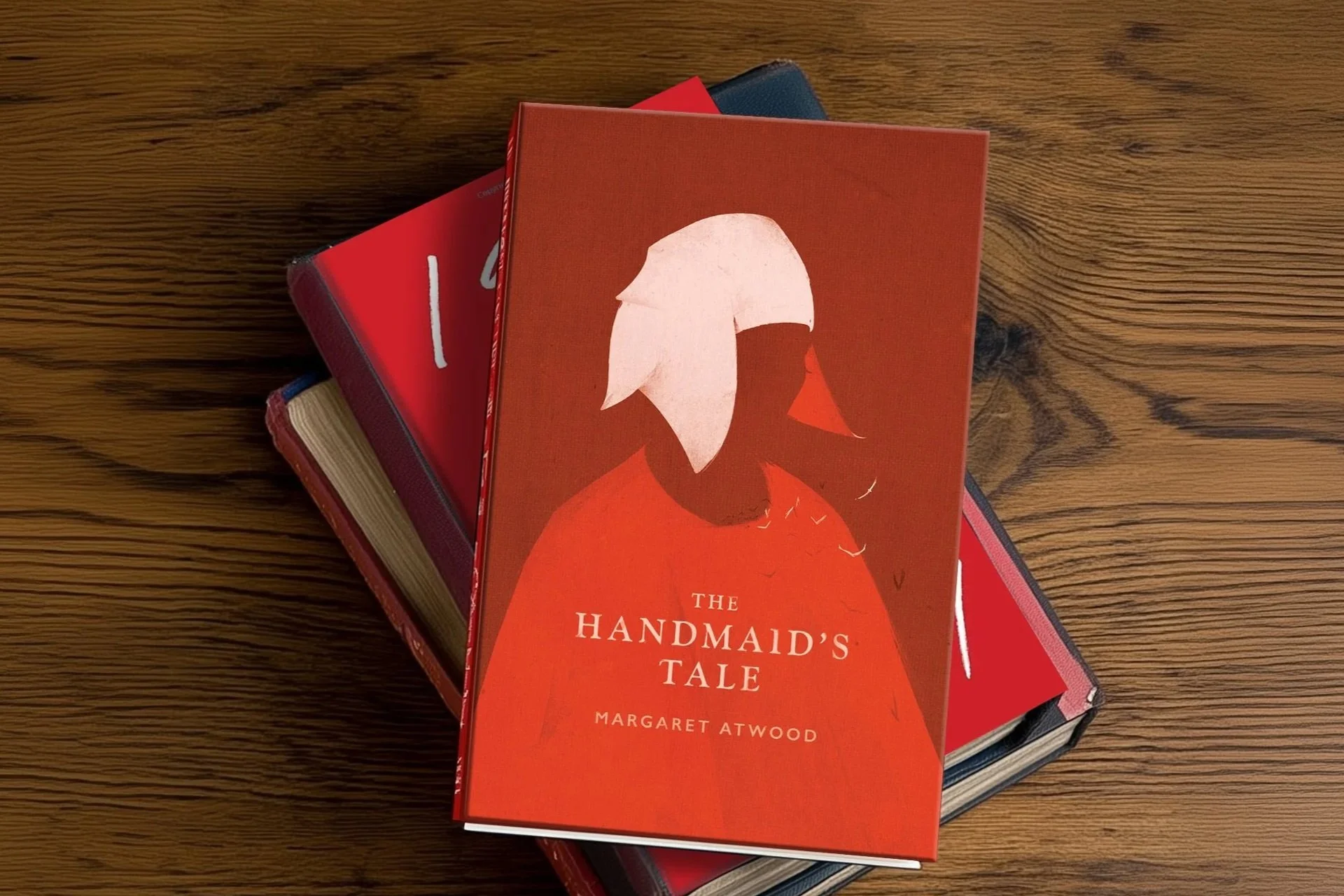
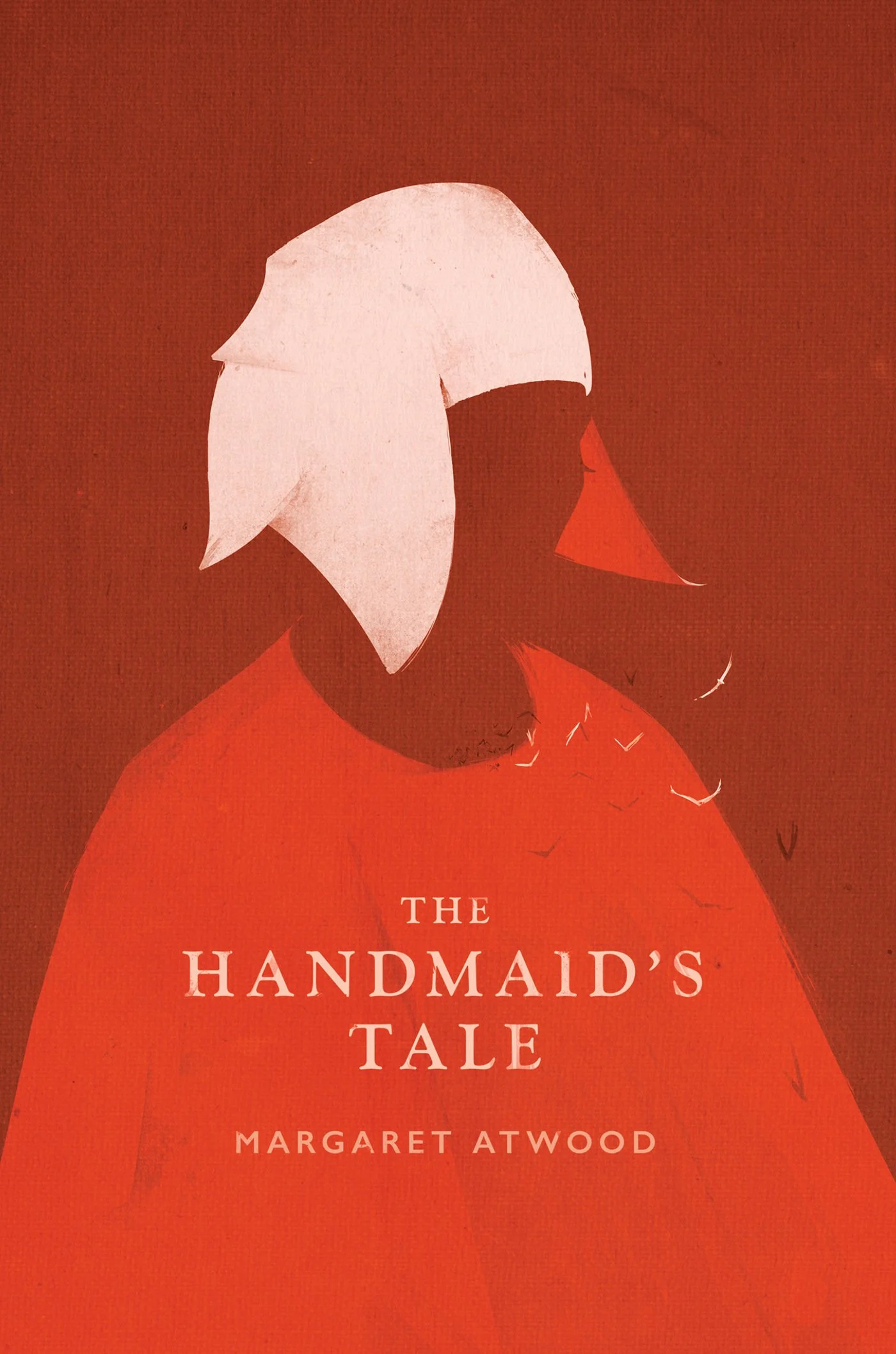
Dystopian and Utopian Fiction imagines societies radically different from our own — usually as a warning or a hope. 1984, The Handmaid's Tale, Brave New World — all speculative fiction wearing a political lens.
Why the Label Matters (And Sometimes Doesn't)
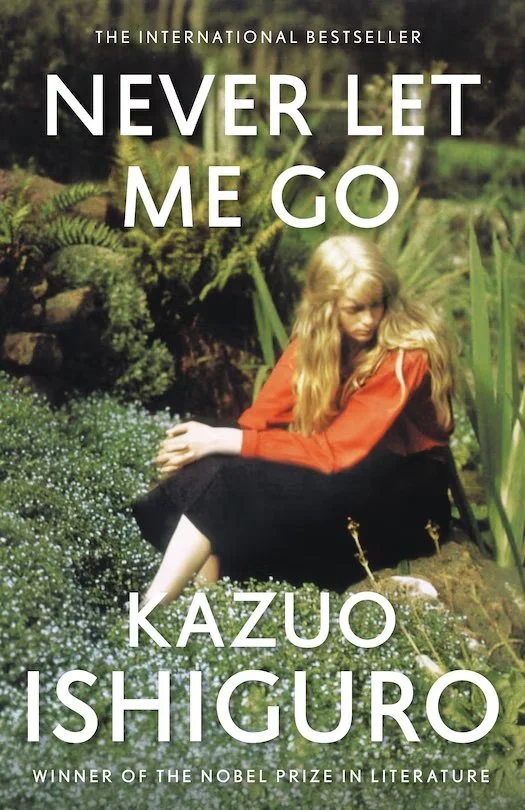
Here's a little secret: a lot of literary fiction writers who absolutely would not want to be shelved in the sci-fi section are writing speculative fiction. Kazuo Ishiguro's Never Let Me Go is about cloned humans raised as organ donors. Colson Whitehead's Zone One is a zombie novel. Cormac McCarthy's The Road is post-apocalyptic survival.
These authors sometimes resist the "genre" label because of the (frankly unfair) prestige hierarchy in literary circles. But calling their work speculative fiction isn't a demotion — it's an accurate description of what they're doing. They're asking "what if?" just like everyone else.
The label also matters because it helps readers find work they'll love. If you know you're into speculative fiction, you can range freely across sci-fi, fantasy, horror, and literary fiction without feeling like you're straying from your lane. The umbrella is wide and welcoming.
Some Gateway Books If You Want to Dive In
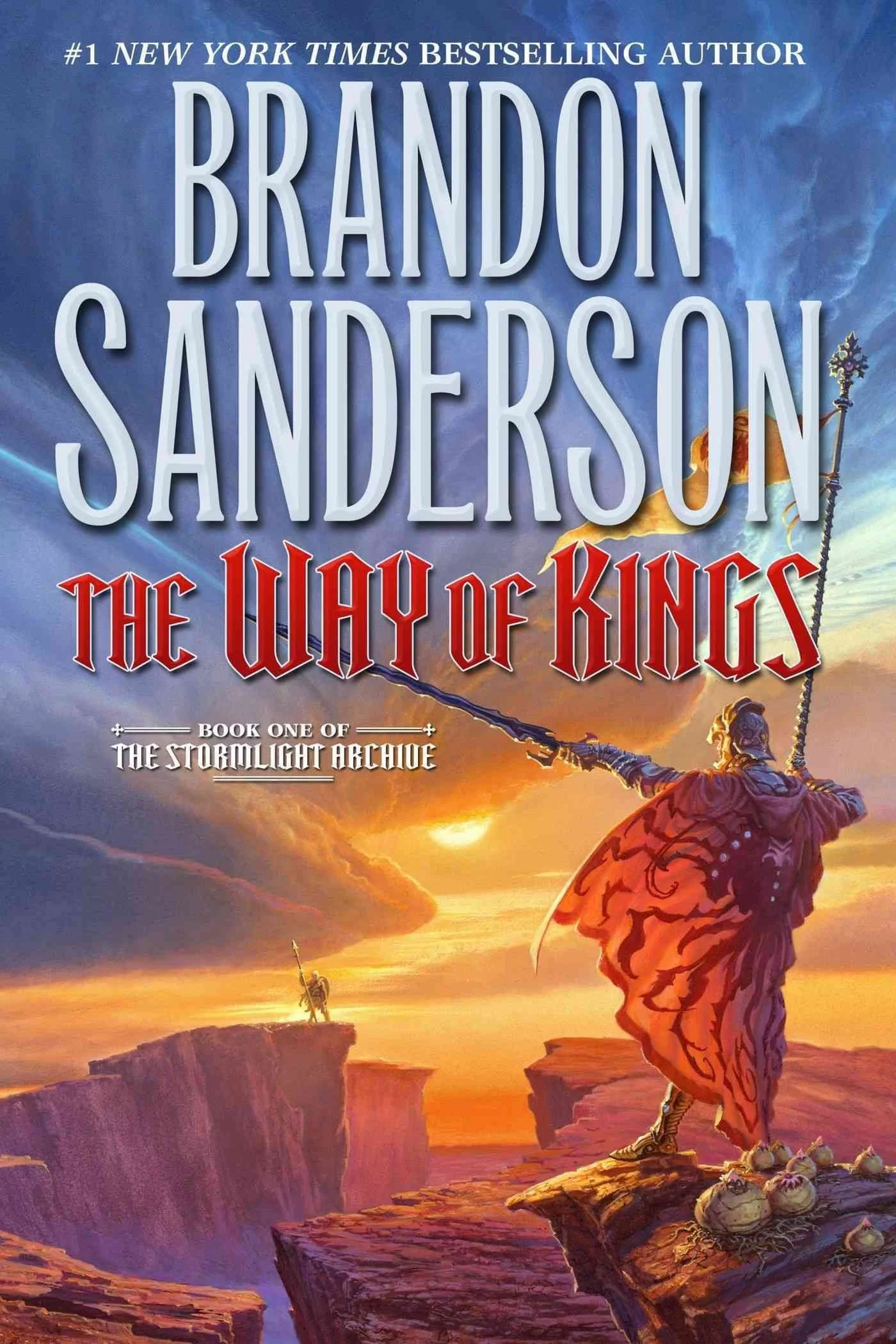
Not sure where to start? Here are a few entry points depending on your vibe:
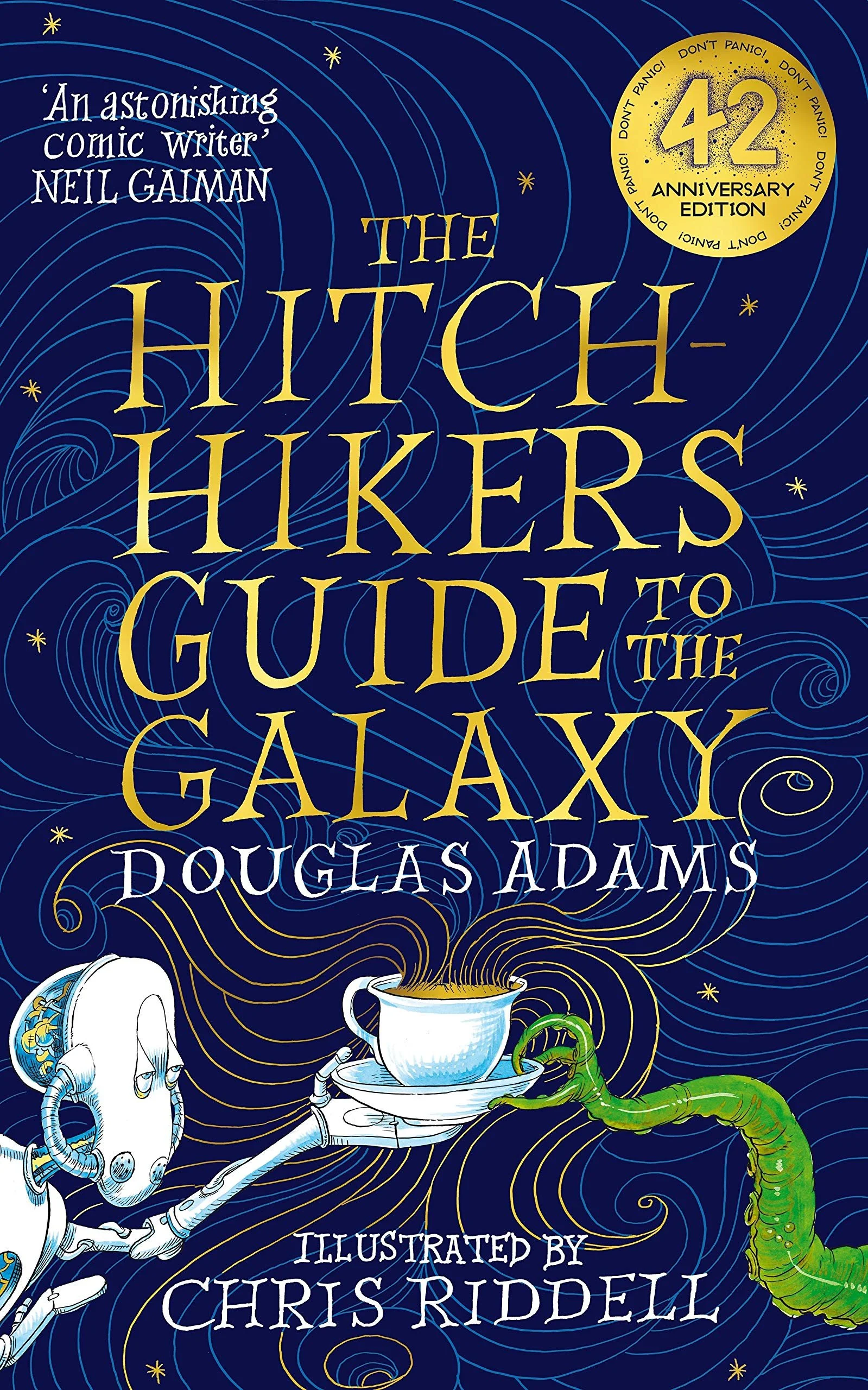
If you want accessible and propulsive: The Hitchhiker's Guide to the Galaxy by Douglas Adams. It's funny, weird, and will ruin you for other books in the best possible way.
If you want literary and devastating: Never Let Me Go by Kazuo Ishiguro. Quiet, beautiful, and will haunt you for weeks.
If you want epic and world-building: The Name of the Wind by Patrick Rothfuss or The Way of Kings by Brandon Sanderson for fantasy; Dune by Frank Herbert for sci-fi.
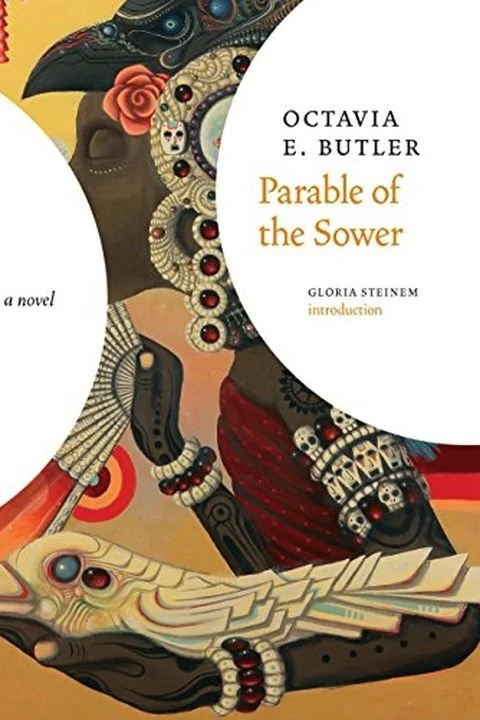
If you want feminist and political: The Handmaid's Tale by Margaret Atwood or Parable of the Sower by Octavia Butler. Both feel uncomfortably relevant right now.
Why Speculative Fiction Resonates So Deeply
The real power of speculative fiction is that it can say things that realism can't. When Ursula K. Le Guin writes about a planet where people have no fixed gender, she's not just building a fascinating world — she's making you question every assumption you've ever had about gender in our world. The distance of the "what if" creates space for readers to engage with difficult ideas without feeling personally attacked or defensive.
Speculative fiction has always been a literature of the marginalized and the visionary. It's where writers go when they need to say something important that the real world won't let them say directly. It's political, it's personal, it's often prophetic.
And honestly? It's just really, really good. Don't let anyone make you feel like you're reading something lesser. Some of the most important literature of the last century lives under this umbrella.
Welcome to speculative fiction. You're going to love it here.