
Best Sci-Fi Book Series
Epic Science Fiction Sagas to Binge Read
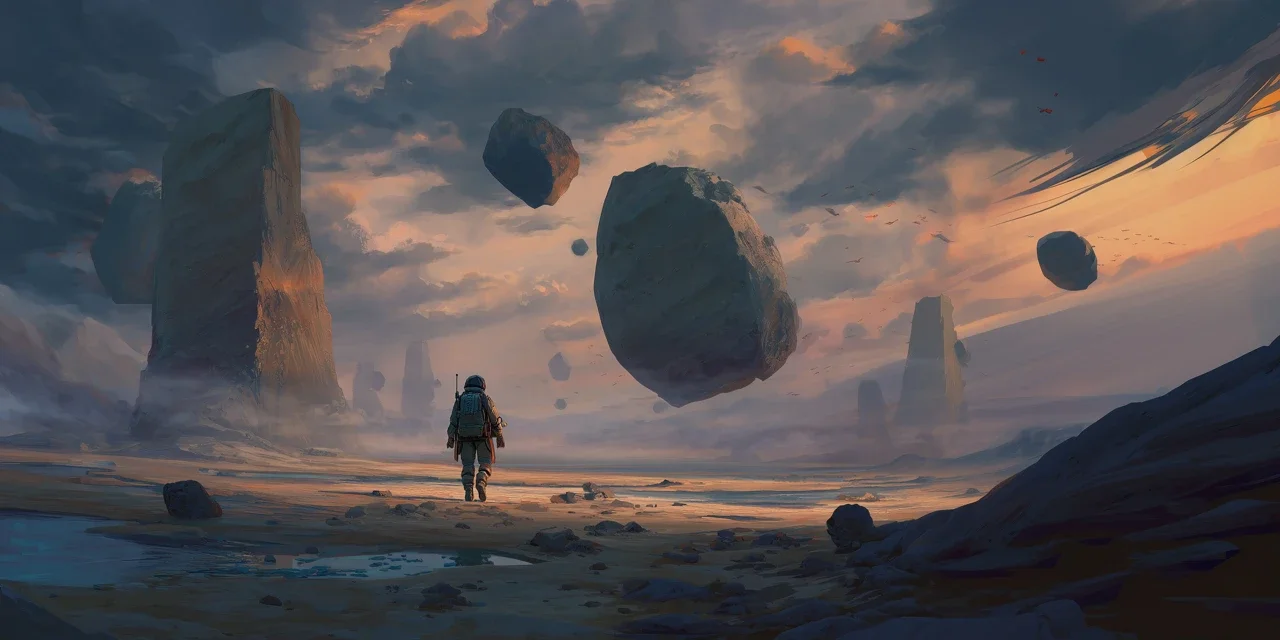
Whether you're a lifelong devotee of the genre or a curious newcomer ready to take the leap, science fiction series offer some of the most immersive, mind-expanding reading experiences in all of literature. The best ones don't just tell a story — they build entire universes, philosophies, and futures that linger long after the final page.
Here are the greatest sci-fi series you can dive into right now. They’re ranked, reviewed, and ready to devour.
This post contains affiliate links. I may earn a commission at no extra cost to you.
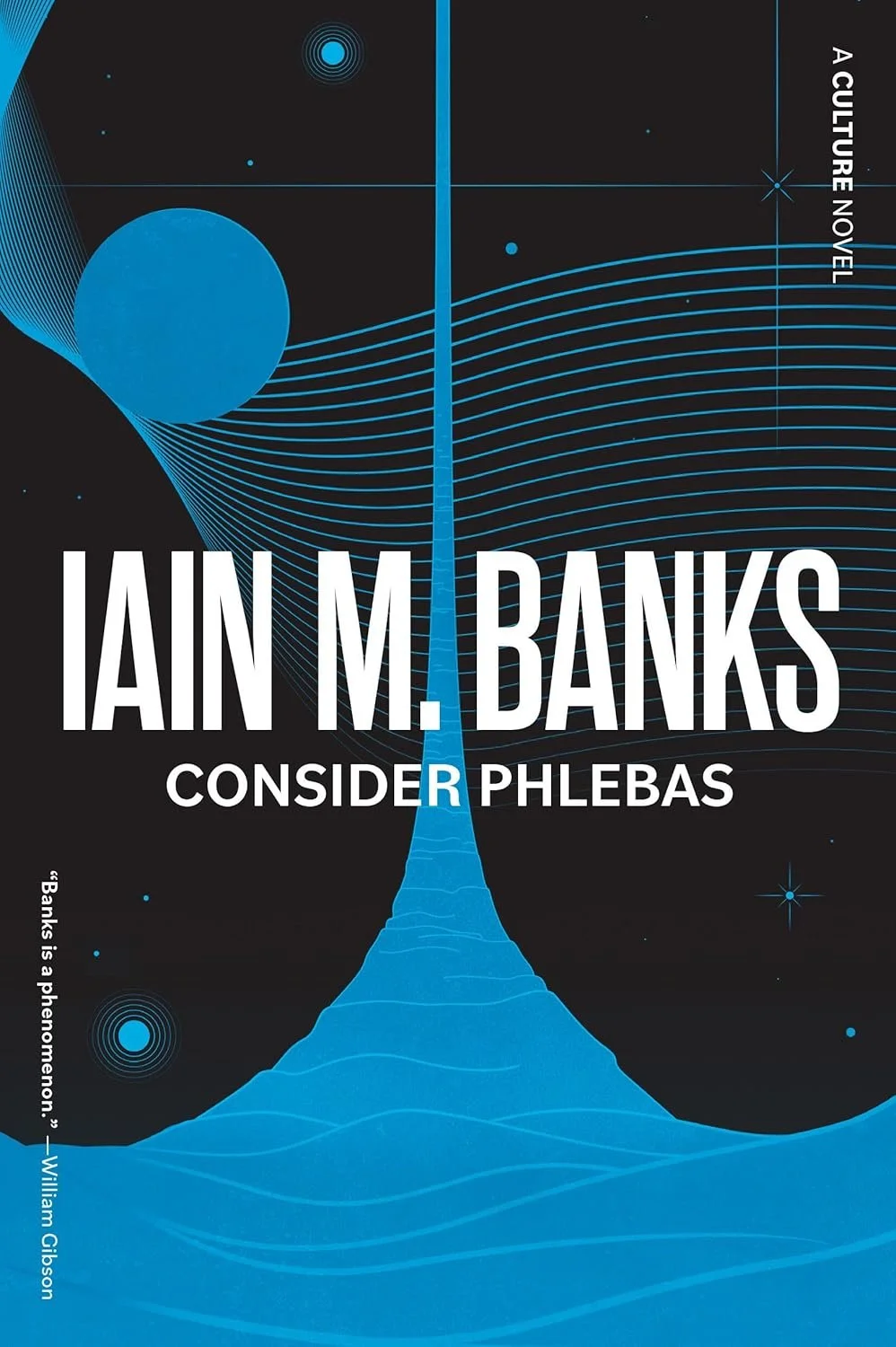
Iain M. Banks
Books: 10 novels (1987–2012) | Start with: Consider Phlebas or The Player of Games
If you could read only one science fiction series in your lifetime, a strong argument can be made for this one. Iain M. Banks' Culture is a post-scarcity, anarchist utopia governed by vast artificial intelligences called Minds. It’s simultaneously the most optimistic and most unsettling vision of the future ever put to paper.
Each novel is largely standalone, following different characters across the galaxy, but all share the same universe and thematic DNA: questions about free will, the ethics of intervention, what it means to be human when you don't have to be. The Minds—cheerful, sardonic, occasionally terrifying—are among the greatest characters in all of fiction.
Why binge it: You can enter at almost any point, and each book rewards you differently. Banks writes with wit, scope, and genuine moral seriousness.
Best for: Readers who want big ideas wrapped in propulsive plots.
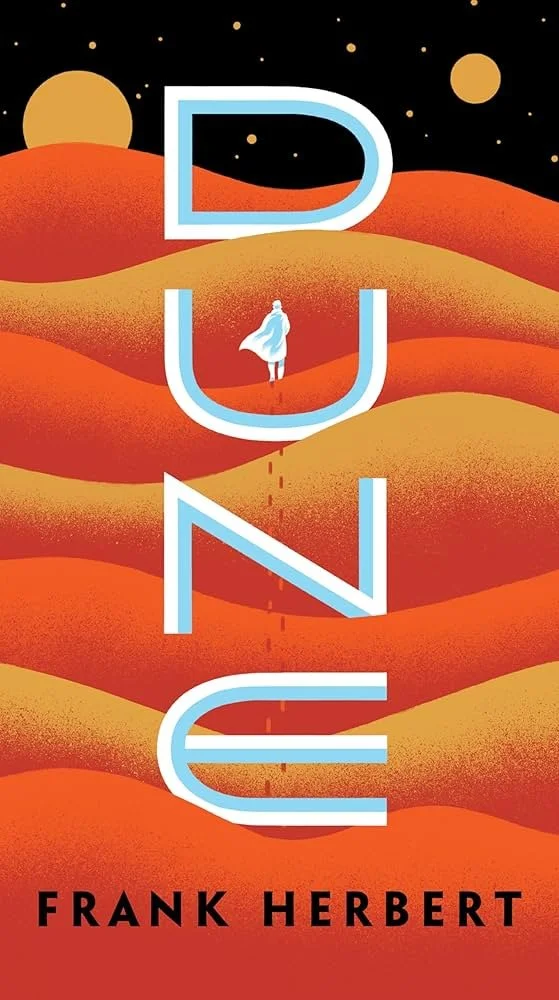
2. Dune
Frank Herbert (and successors)
Books: 6 by Herbert, many more by Brian Herbert & Kevin J. Anderson | Start with: Dune (obviously)
The Dune series is the Lord of the Rings of science fiction — a foundational text that every subsequent work in the genre is either in conversation with or unconsciously influenced by. Set across thousands of years of galactic history, the saga begins on the desert planet Arrakis, home to the universe's most precious substance: the spice melange.
Herbert's original six novels grow increasingly strange and philosophical — by God Emperor of Dune, you're reading something closer to a meditation on tyranny and ecology than a conventional space opera. It demands patience but rewards it lavishly.
Why binge it: There is genuinely nothing else like it. The world-building, the political intrigue, the ecological philosophy — Herbert invented a sub-genre with a single book.
Best for: Patient readers who love world-building, political drama, and messianic mythology.
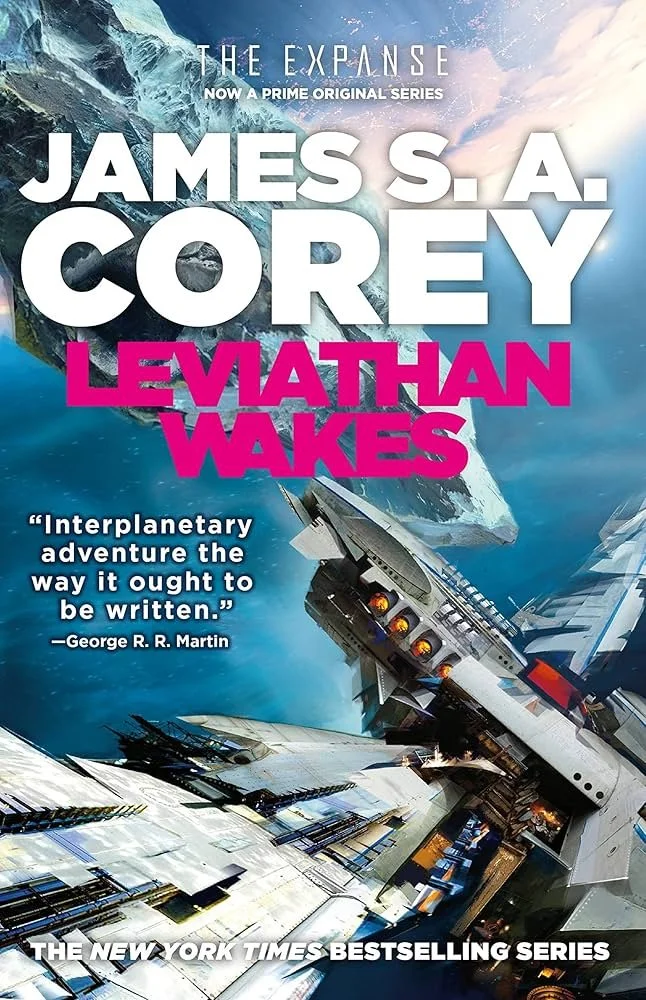
3. The Expanse
James S.A. Corey
Books: 9 novels + novellas (2011–2022) | Start with: Leviathan Wakes
If Dune is the mythology of science fiction, The Expanse is its hard-boiled thriller. Set a few centuries in the future, when humanity has colonized the solar system but not yet reached the stars, the series begins with a detective story and a missing girl — and spirals outward into first contact, interstellar travel, and the fate of the species.
The science is rigorously realistic (no artificial gravity, no faster-than-light travel), the politics are messily human, and the characters are deeply felt. James S.A. Corey (a pen name for authors Daniel Abraham and Ty Franck) writes with momentum and emotional honesty that makes 800-page novels feel too short.
Why binge it: It's the most readable hard sci-fi series ever written. You'll blow through books at an embarrassing pace.
Best for: Fans of thrillers, hard sci-fi, morally complex characters.
4. Foundation
Isaac Asimov
Books: 7 novels (1951–1993) | Start with: Foundation
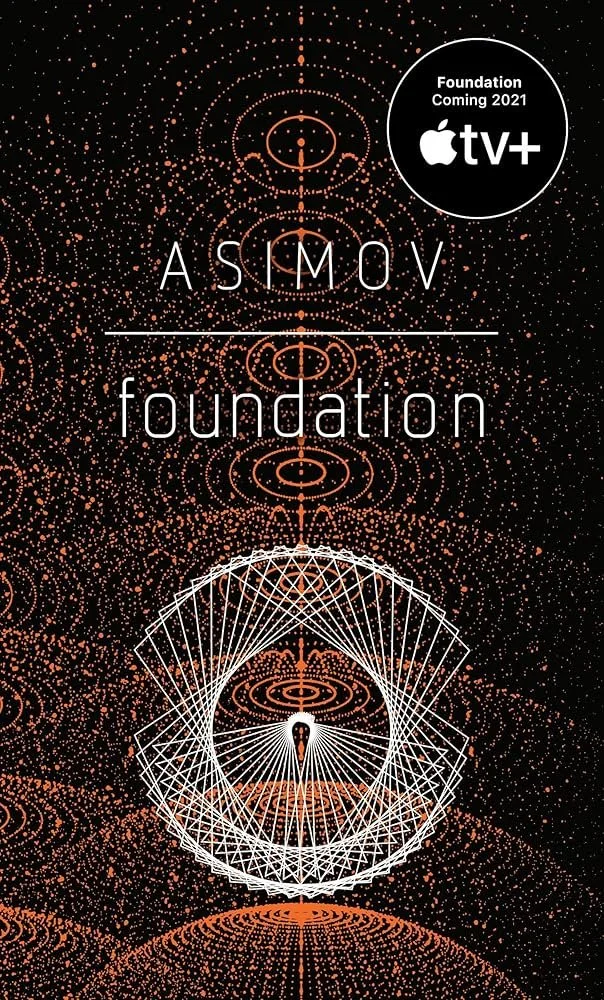
Asimov's Foundation is the grand old patriarch of science fiction series — the work that established the template of galactic civilizations, declining empires, and lone visionaries trying to shorten humanity's dark ages through the power of mathematics (psychohistory).
The original trilogy (Foundation, Foundation and Empire, Second Foundation) are lean, idea-driven classics. The later prequels and sequels, written decades afterward, are fleshier and more novelistic. Together they form one of the most influential thought experiments in literature: what if you could predict the fall of civilization — and do something about it?
Why binge it: To understand where so much of modern science fiction comes from. Also because Asimov is compulsively readable.
Best for: Readers who love ideas, history, and civilizational scope.
Dan Simmons
Books: 4 novels (1989–1997) | Start with: Hyperion
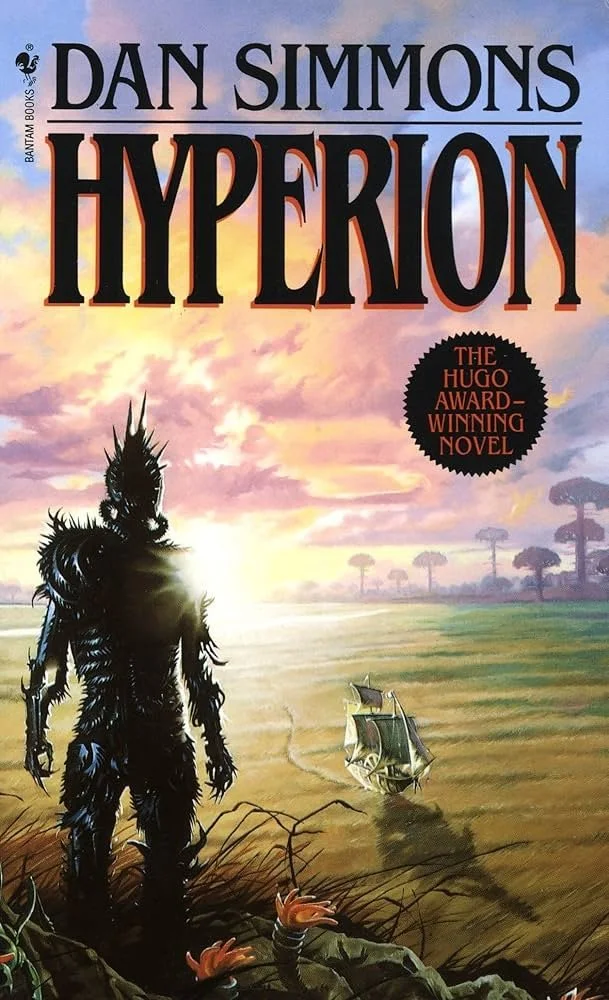
Hyperion is structured as a Canterbury Tales for the far future: seven pilgrims, each with a story, traveling to meet an unknowable, time-bending monster called the Shrike. It is a stunning literary achievement — a science fiction novel that actually uses the mechanics of literary fiction (nested narratives, pastiche, allusion) to deepen rather than decorate its story.
The sequel, The Fall of Hyperion, resolves the first book's cliffhanger in grand operatic fashion. The later two novels (Endymion, Rise of Endymion) tell a separate but connected story set centuries later and are more conventionally epic.
Why binge it:Hyperion alone is worth any list. The "Priest's Tale" and "Soldier's Tale" chapters are some of the finest writing in the genre, period.
Best for: Literary fiction readers who want proof that sci-fi can be serious art.
Vernor Vinge
Books: 3 novels (1992–2011) | Start with: A Fire Upon the Deep
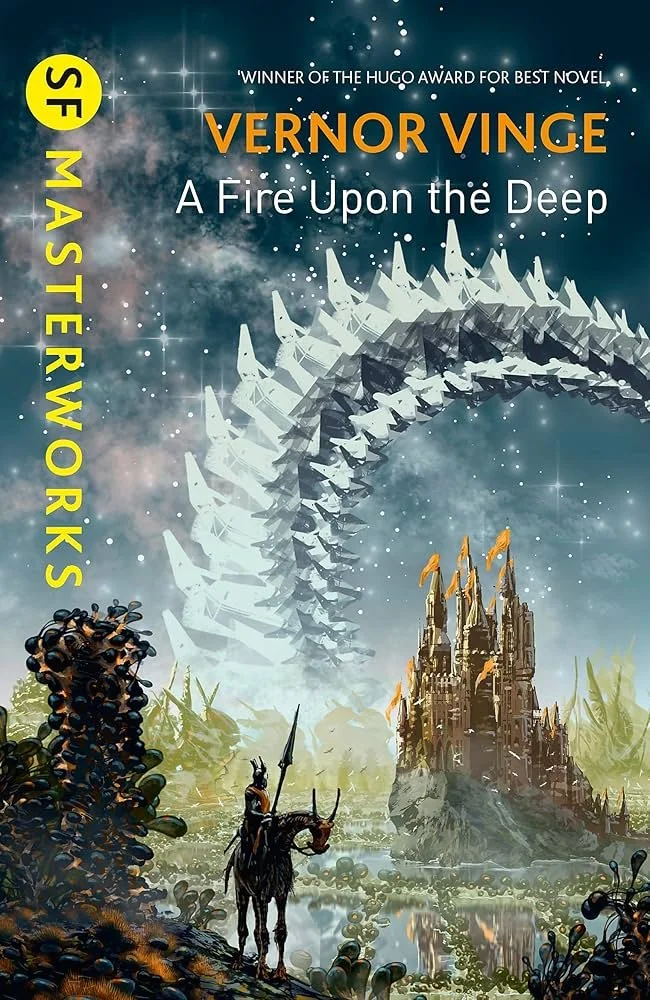
Vinge's Zones of Thought universe posits that the galaxy is divided into regions where physics — and intelligence — operate differently. Near the galactic core, nothing can exceed human-level thought. At the outer rim, godlike entities casually reshape reality. This single idea unlocks one of the most creative universes in science fiction.
A Fire Upon the Deep follows a medieval-era alien species (the Tines, who exist as group minds made of pack animals) alongside a galaxy-spanning emergency involving a released transcendent entity. The juxtaposition is wild, funny, and genuinely moving.
Why binge it: Pure imagination. Vinge does things with alien cognition and galactic scale that no one else has matched.
Best for: Hard sci-fi fans who want genuine conceptual novelty.
7. Remembrance of Earth’s Past (Three-Body Trilogy)
Liu Cixin
Books: 3 novels (2008–2010, English translations 2014–2016) | Start with: The Three-Body Problem
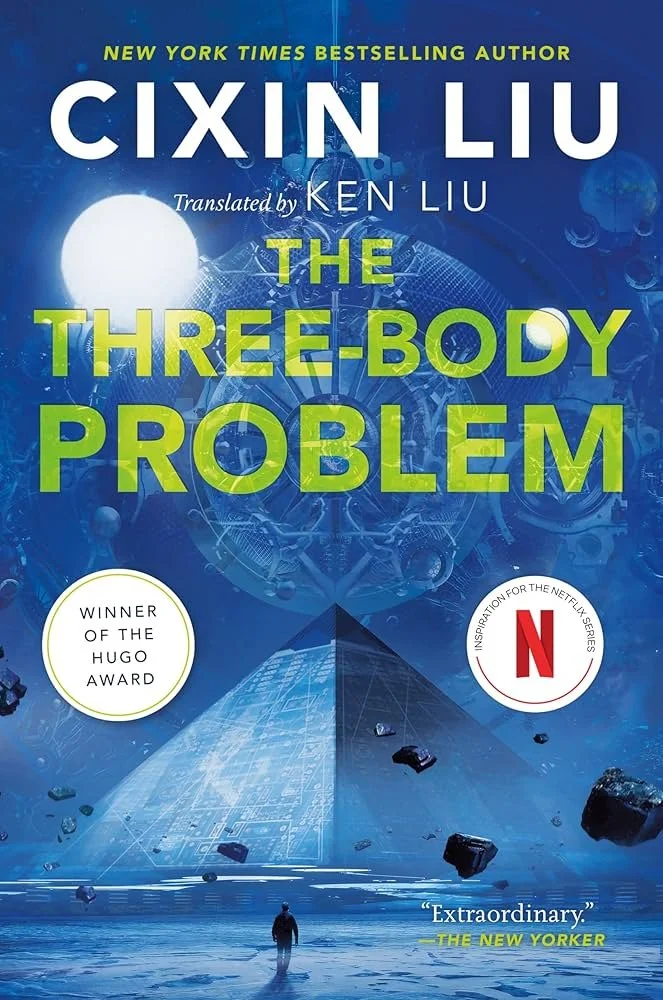
Liu Cixin's trilogy arrived in English translation and immediately reshaped conversations about science fiction. Beginning during China's Cultural Revolution and expanding to encompass the entire future history of the universe, this is science fiction operating at genuine cosmological scale.
The Three-Body Problem introduces the crisis; The Dark Forest contains one of the most chilling theories in all of speculative fiction (the "Dark Forest" hypothesis of why the universe appears silent); and Death's End is an apocalyptic, beautiful, heartbreaking conclusion that spans billions of years.
Why binge it: Liu thinks bigger than almost any other writer in the field. This trilogy will make you feel genuinely small — in the best possible way.
Best for: Readers who want their minds genuinely broken and reconstructed.
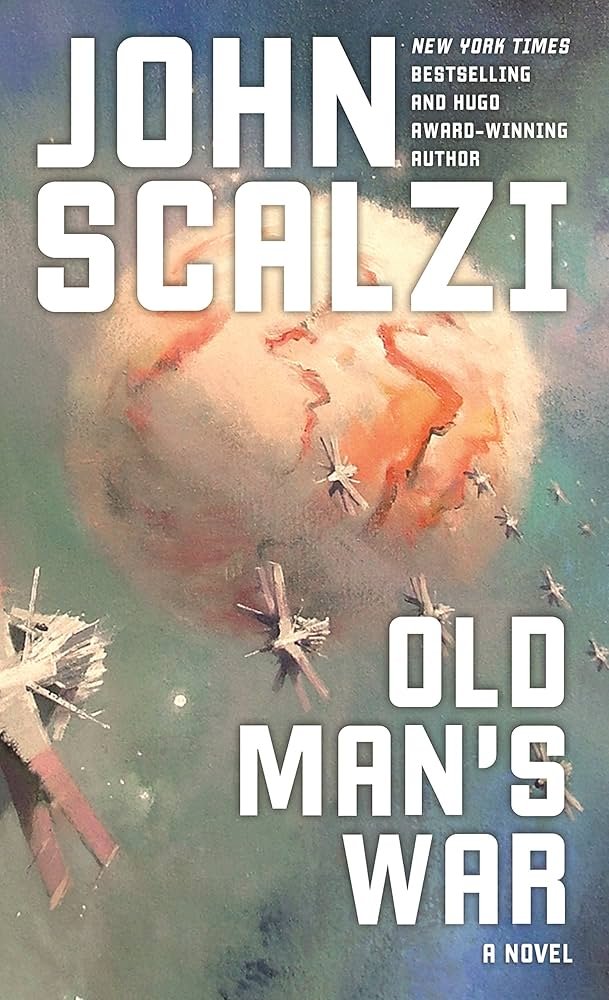
John Scalzi
Books: 6 novels + novellas (2005–2015) | Start with: Old Man's War
Scalzi's Old Man's War is the most fun you can have in military science fiction — a breezy, Heinlein-influenced series that follows elderly recruits given young, enhanced bodies to fight humanity's colonial wars across the galaxy. It's smart, funny, action-packed, and increasingly thoughtful as the series develops.
Scalzi never disappears up his own ideas; he always keeps character and story front and center. The result is a series that you'll read in great greedy gulps.
Why binge it: Sheer readability. Scalzi has a gift for making complicated ideas feel effortless.
Best for: New sci-fi readers, military sci-fi fans, anyone who wants a fast, hugely enjoyable series.
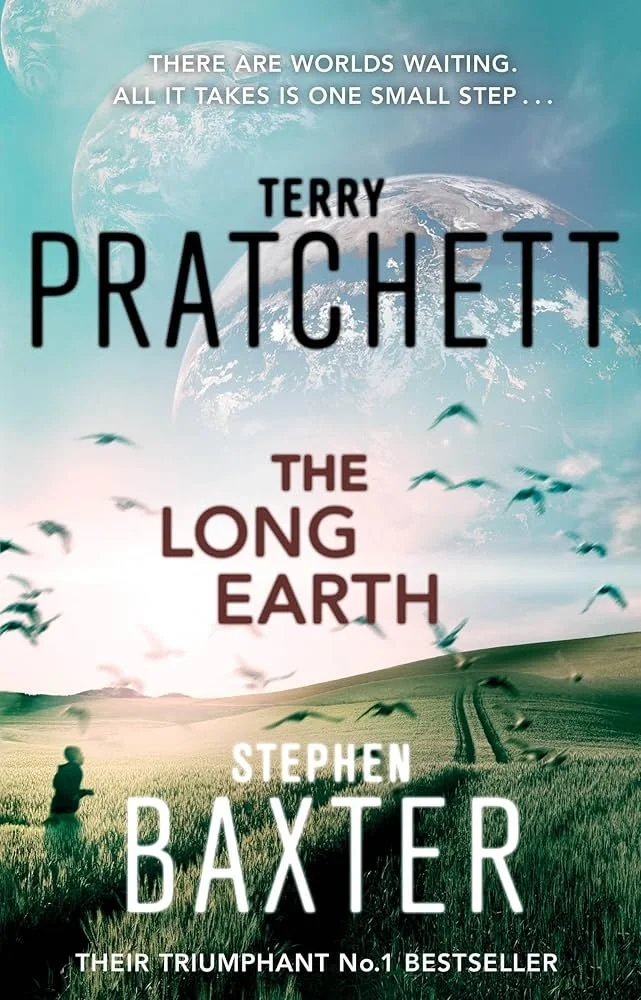
Terry Pratchett & Stephen Baxter
Books: 5 novels (2012–2016) | Start with: The Long Earth
What if there were an infinite series of parallel Earths, accessible via a simple device anyone can build — but almost none of them contain humans? This is the premise of the Long Earth series, a collaboration between the incomparable Terry Pratchett and hard sci-fi master Stephen Baxter. The result is charming, melancholy, and quietly profound — a meditation on human nature, colonization, and what we do when we can always just... leave.
Why binge it: The concept is inexhaustible, the writing warm and humane, and the combination of Pratchett's wit and Baxter's rigor is unique.
Best for: Readers who like their sci-fi thoughtful, gentle, and philosophical.
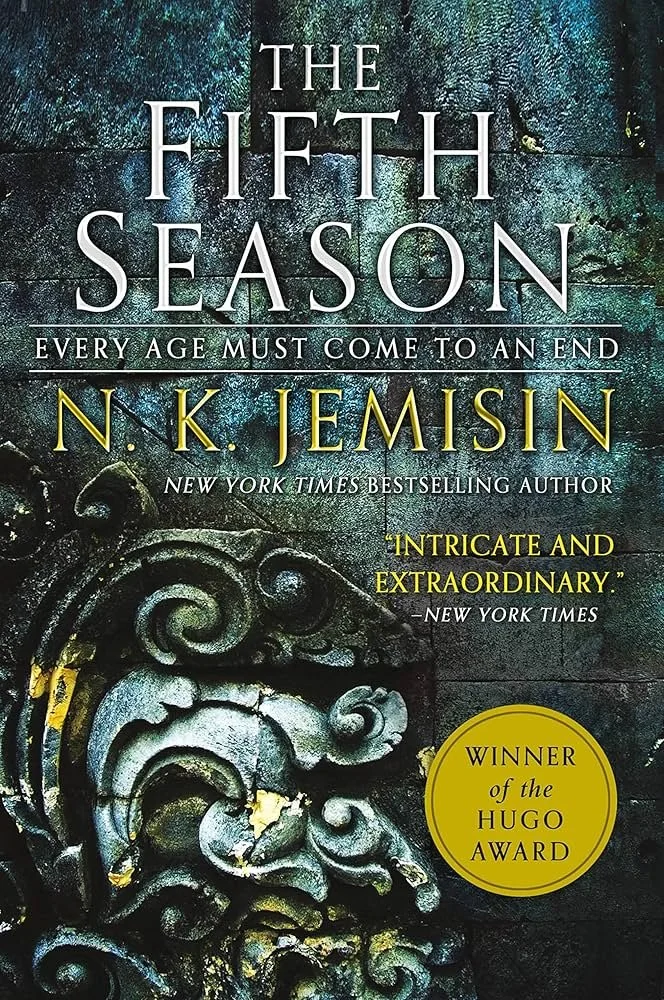
N.K. Jemisin
Books: 3 novels (2015–2017) | Start with: The Fifth Season
The only series to win three consecutive Hugo Awards for Best Novel — one for each volume — Jemisin's Broken Earth trilogy is a formal and emotional tour de force. Set on a geologically catastrophic world where civilization ends regularly, and narrated in second person ("you do this; you feel that"), it is unlike anything else in the genre.
It's technically science fiction (the worldbuilding has rigorous internal logic), but it reads like mythology. The themes — systemic oppression, survival, the cost of power, what we owe each other — are rendered with devastating intimacy.
Why binge it: Because it proves science fiction is one of the most powerful vehicles for truth that literature has. It is genuinely great writing.
Best for: Readers ready for something that will challenge and move them.
Where to Start If You’re New to Sci-Fi Series
Not sure where to jump in? Here's a simple guide:
Want something fast and fun? → Old Man’s War or The Expanse
Want something mind-bending? → Three-Body Problem or Hyperion
Want the classics? → Foundation or Dune
Want literary prestige? → Broken Earth or Hyperion
Want an entire universe to live in? → The Culture
The golden age of science fiction is always now — because readers keep discovering these worlds for the first time. Whichever series you choose, you're about to spend a lot of very happy hours somewhere that isn't here.
Happy reading.
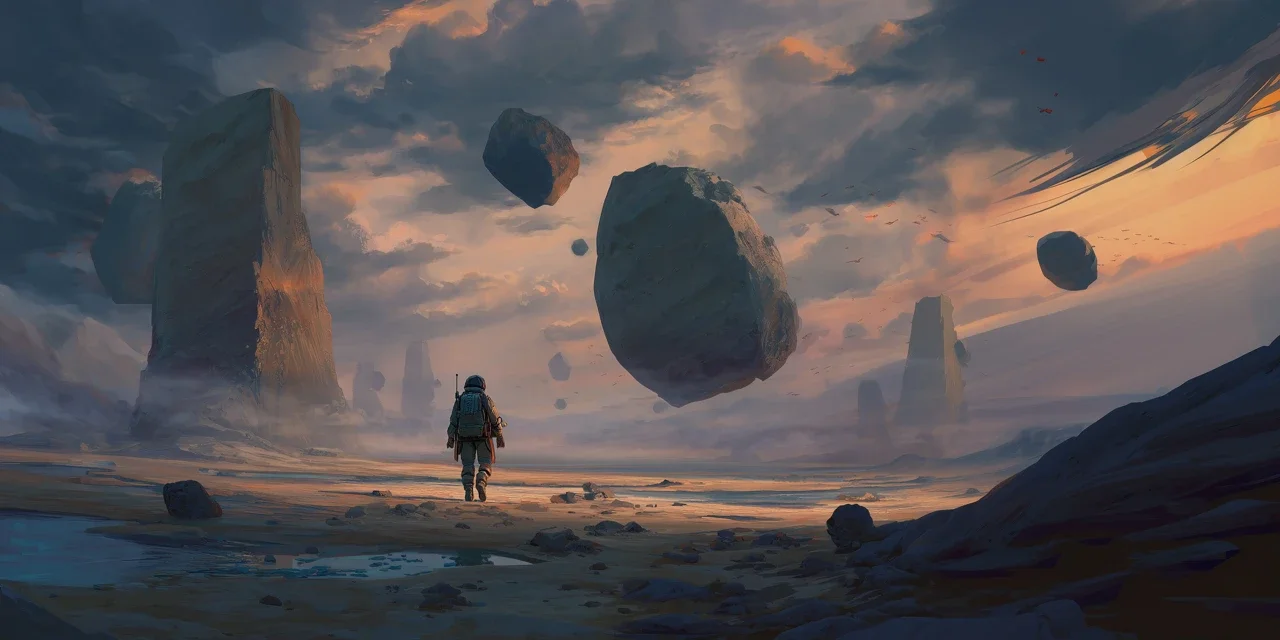
SPONSORED BY
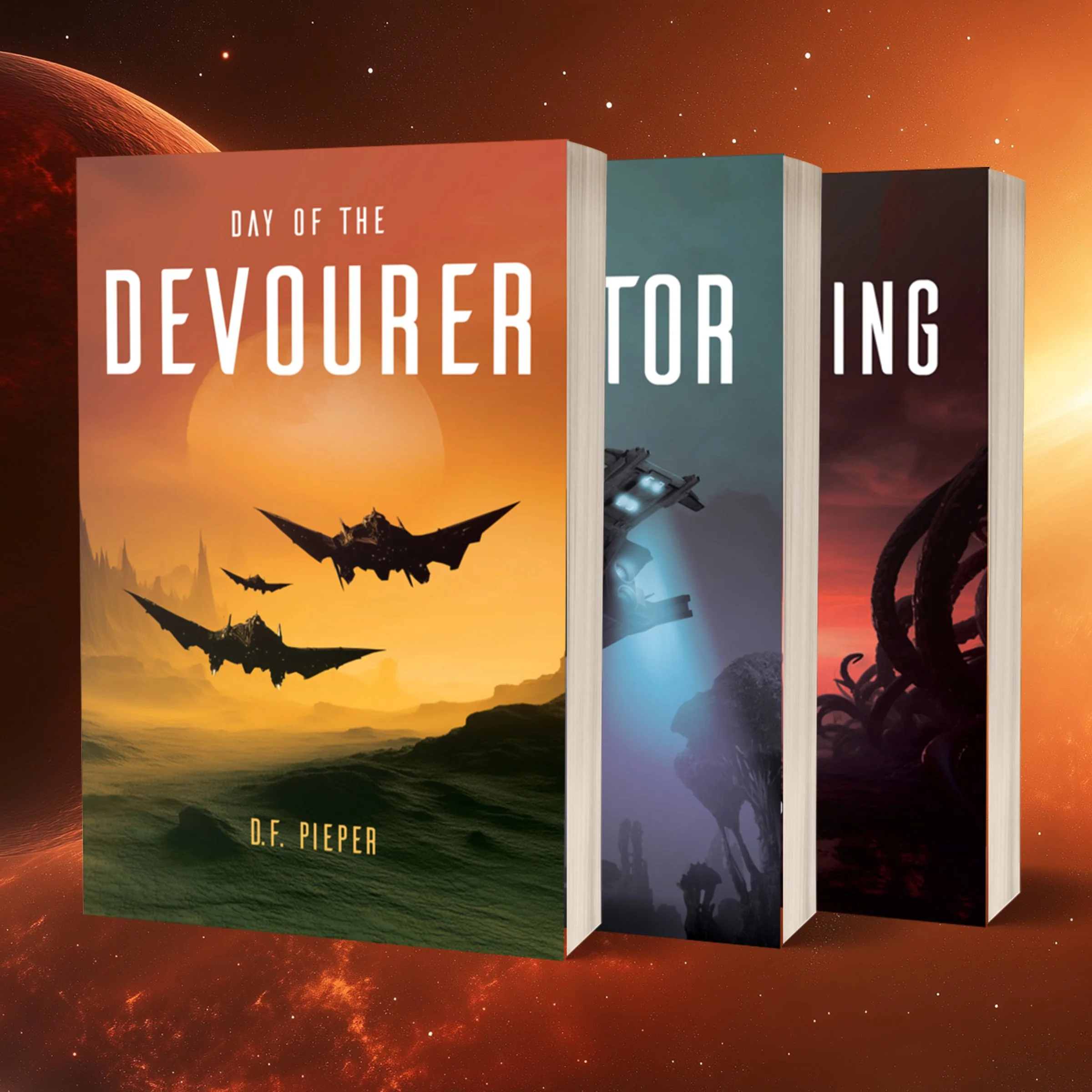
The Devourer Trilogy
In exchange for his freedom, a disgraced galactic agent has only three days to find and destroy a mysterious alien weapon.
