
So You Want to Read Space Opera: The Best Books to Start With
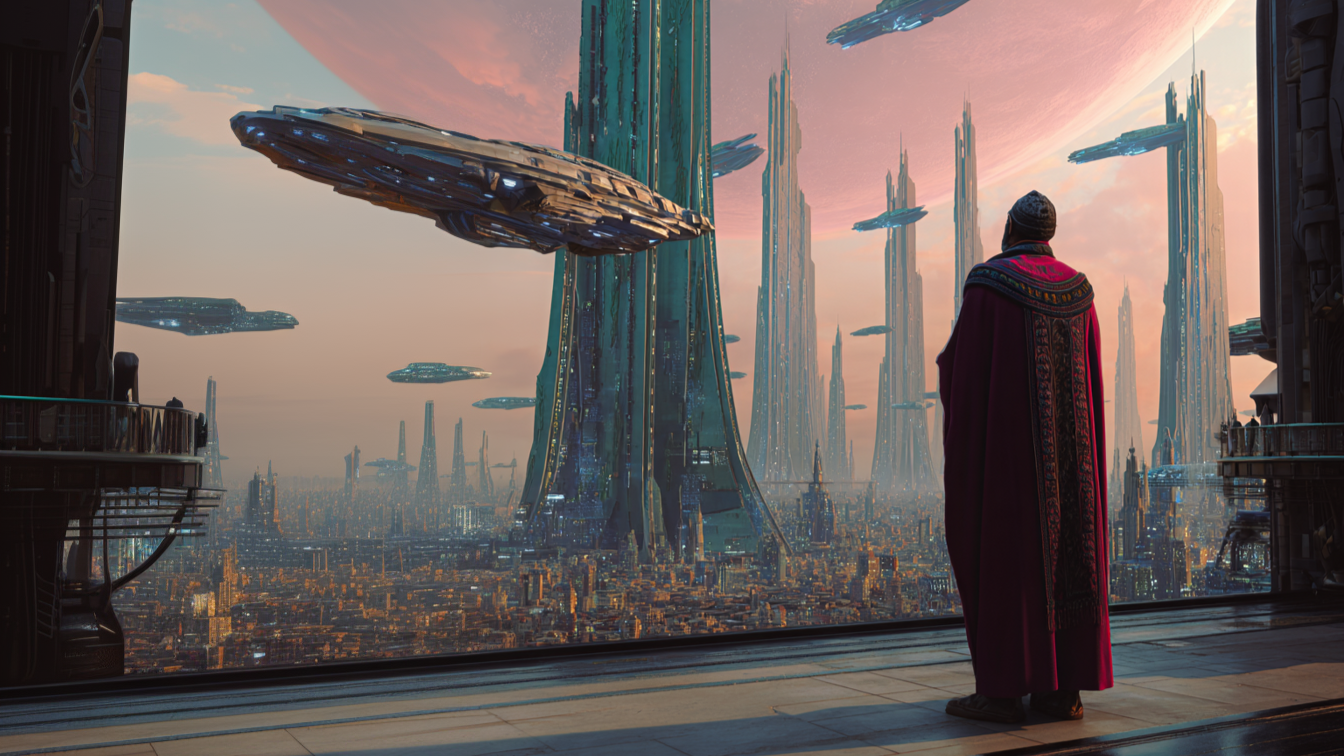
There's a moment in every science fiction reader's life when they realize that what they actually want isn’t a near-future thriller or a hard-SF thought experiment. They want scope. They want galaxy-spanning empires, starships the size of cities, characters who argue about the fate of civilizations while hurtling through hyperspace. They want, in other words, space opera — and they want it to be good.
The good news: we are living in a genuine golden age of the genre. The space opera of today isn't the pulpy, thin-characterization stuff of the mid-20th century. It's literary, diverse, emotionally complex, and wildly imaginative. The bad news: there's so much of it that knowing where to start can feel overwhelming.
This list is for readers who are new to the genre, or who want to find their way back in after a long absence. Every book here is approachable, rewarding, and representative of what space opera can do at its best — from the genre's towering classics to its most exciting contemporary voices.
This post contains affiliate links. I may earn a commission at no extra cost to you.
The Classics You Can't Skip
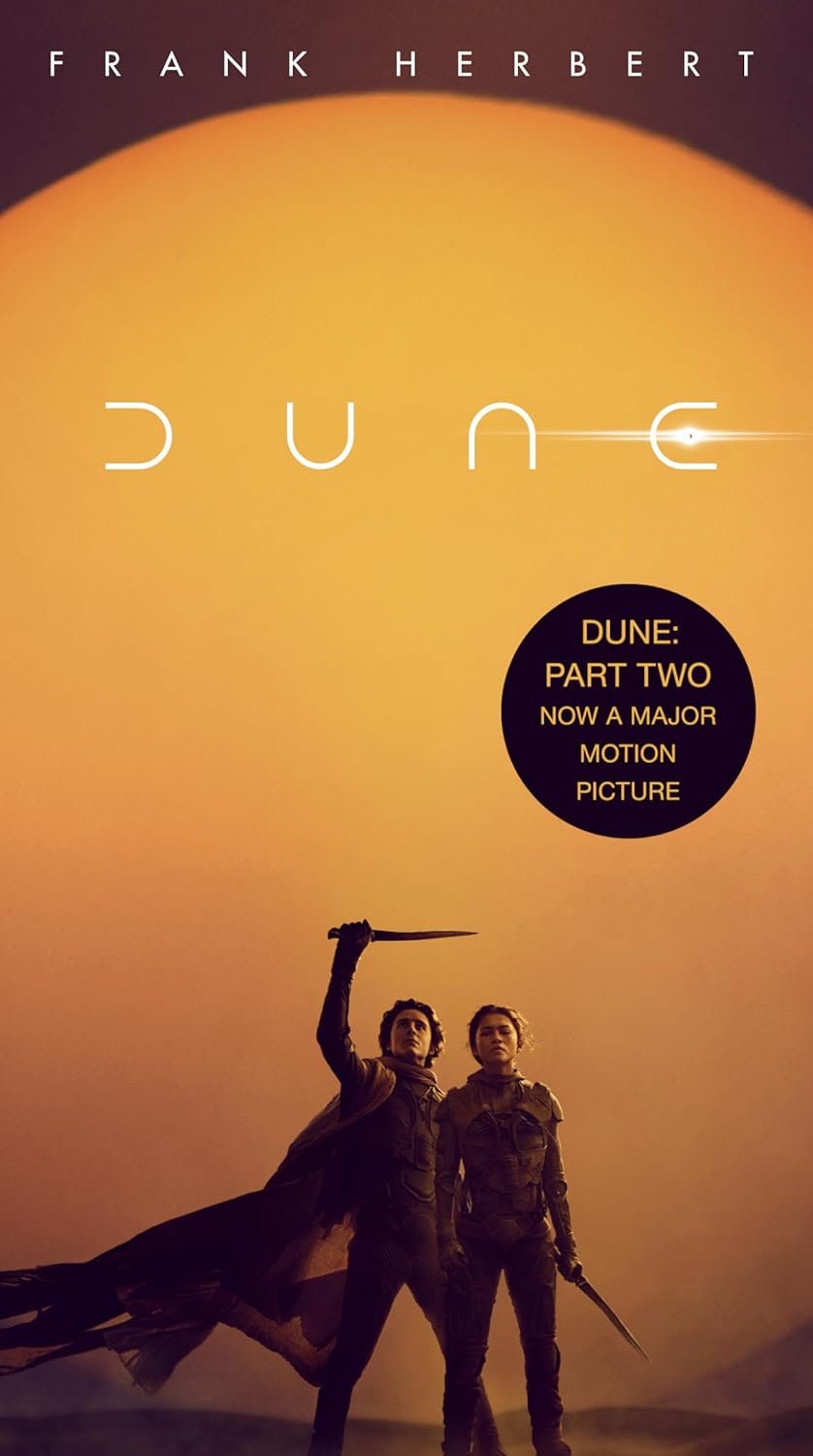
Frank Herbert
No list of space opera begins anywhere else. Dune is the genre's foundational text — the book that proved science fiction could be as rich, layered, and politically serious as any literary novel. Set on the desert planet Arrakis, the only source of the most valuable substance in the universe, it follows young Paul Atreides as his noble family is thrust into a brutal struggle for control of the planet and its secrets.
What Herbert built here is staggering in its ambition: an ecology, a religion, an economy, a politics, and a mythology, all woven together into a story about power, prophecy, and the terrible consequences of messianic thinking. The prose is demanding but rewards patience. Decades of science fiction — and Star Wars, and Game of Thrones — owe it an enormous debt. Reading Dune for the first time is one of the great experiences the genre has to offer.
Read it on Amazon.
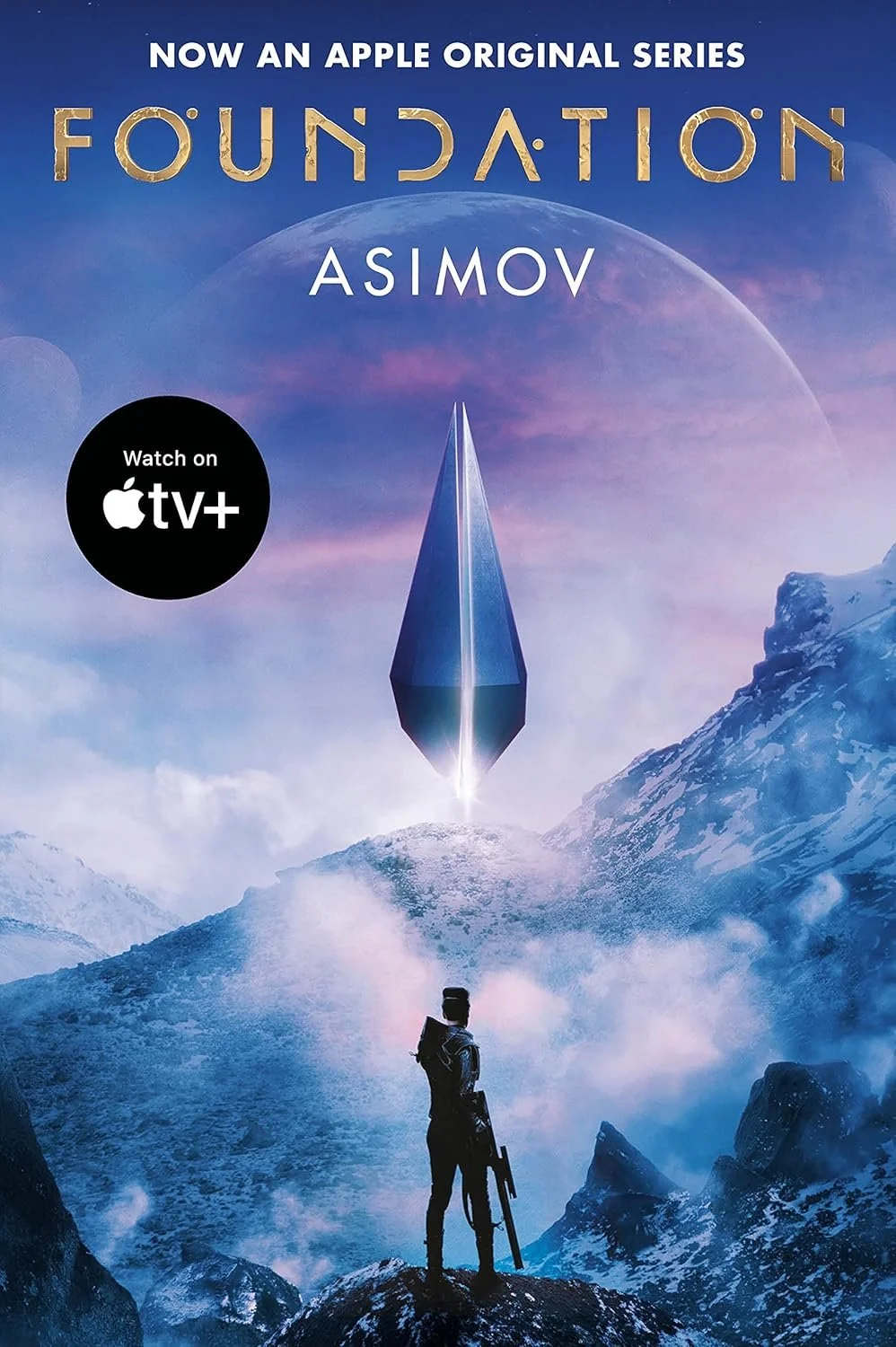
Isaac Asimov
If Dune is the genre's soul, Foundation is its skeleton. Asimov's premise is one of the most audacious in all of fiction: a mathematician named Hari Seldon has developed "psychohistory," a discipline that can predict the future behavior of vast populations. His models show that the Galactic Empire is doomed to fall, plunging humanity into 30,000 years of barbarism — unless a small group of scientists can be positioned to preserve knowledge and shorten the dark age to a mere thousand years.
The original novel (assembled from shorter stories) spans centuries, killing off its protagonists and replacing them as history moves forward. It is less interested in individual drama than in the long sweep of civilizational forces, which makes it unlike almost anything else in the genre. As a meditation on history, inevitability, and human agency, it has never been surpassed.
Find it on Amazon.
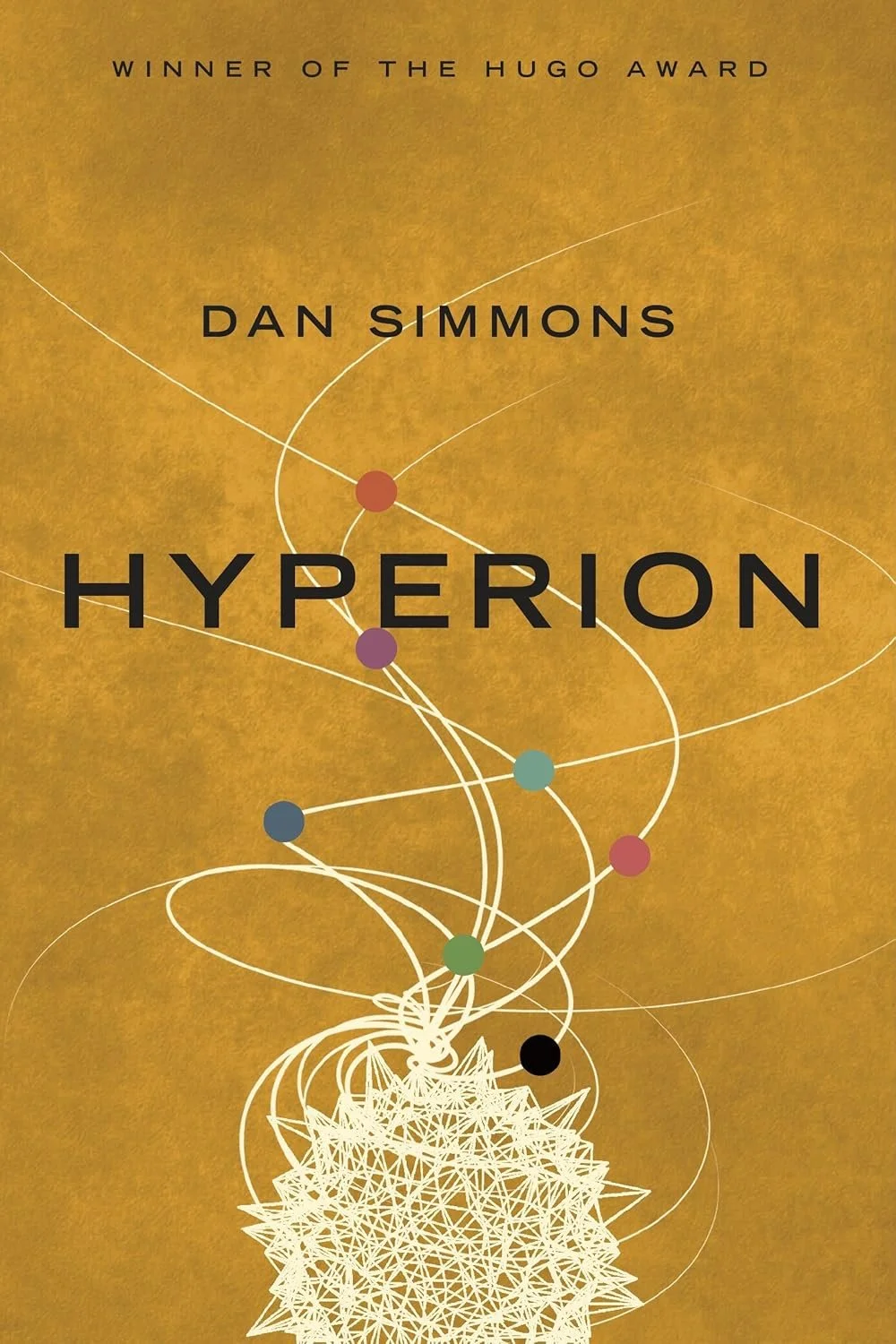
Dan Simmons
Structured as a Canterbury Tales for the far future, Hyperion gathers seven pilgrims traveling to a mysterious and deadly world, each telling their story along the way. The tales are wildly different in tone — one is a love story told in reverse time, one is a military thriller, one is a detective noir — but they all orbit the same terrifying figure: the Shrike, a creature of blades and time that haunts the world of Hyperion and cannot be reasoned with or escaped.
Simmons writes with operatic ambition and genuine erudition (the book is drenched in Keats), and the result is one of the most structurally inventive space operas ever written. The universe he constructs — the Web of humanity spread across hundreds of worlds, the AIs called TechnoCore, the Ousters who have abandoned planets entirely for the open void — is breathtaking in scope. The sequel, The Fall of Hyperion, resolves the cliffhanger and should be read immediately after.
Find it on Amazon.
The Modern Essentials
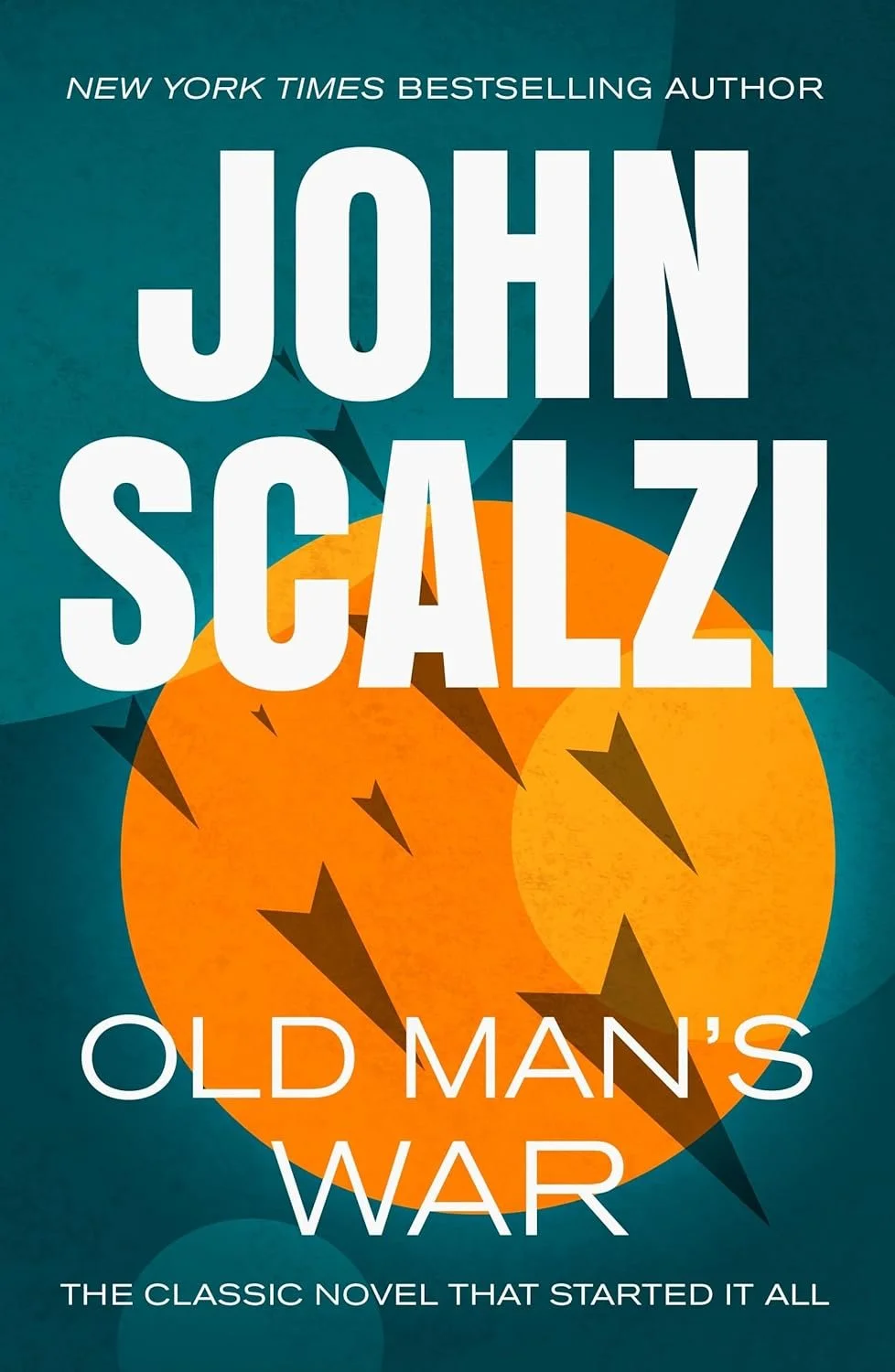
John Scalzi
John Scalzi's debut is the most purely fun book on this list, and there is absolutely nothing wrong with that. The premise: on Earth of the future, the elderly are recruited into the Colonial Defense Forces at age 75, given young and enhanced bodies, and sent to fight humanity's wars against the dozens of alien species competing for habitable planets. John Perry, 75 years old and recently widowed, signs up — and discovers that the universe is far stranger and more dangerous than anyone back home suspects.
Scalzi writes with wit, pace, and a genuine gift for action sequences. Old Man's War wears its debts to Heinlein proudly while asking sharper moral questions than its breezy surface suggests. It's a perfect gateway drug: short, propulsive, and the first book in a series with plenty of room to grow.
Read it on Amazon.
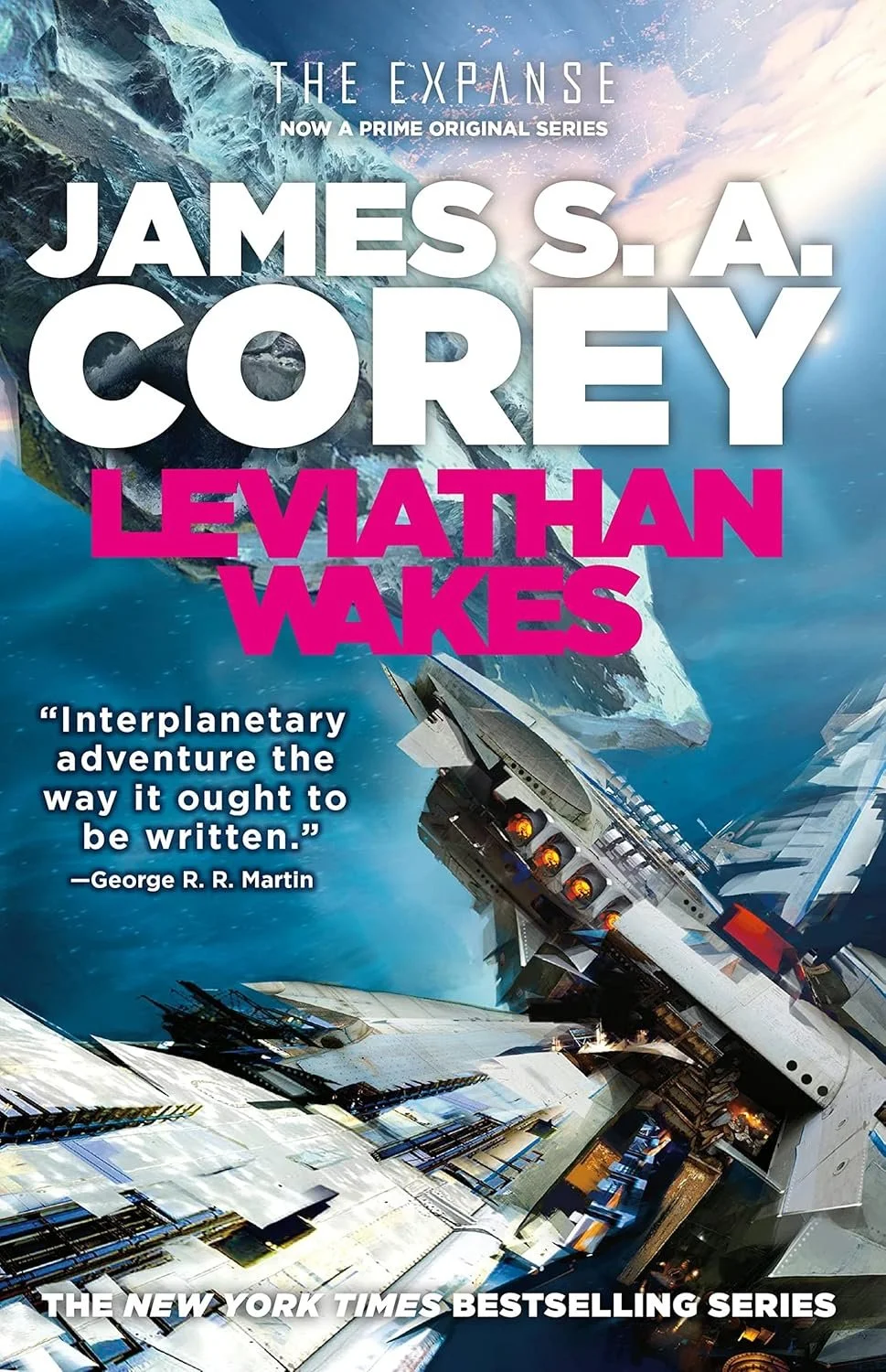
James S.A. Corey
The first book in the nine-volume Expanse series (and basis for the acclaimed TV adaptation) is probably the most grounded space opera on this list — grounded in physics, in politics, and in the texture of ordinary working life among the stars. Set in a near-future solar system where humanity has colonized Mars and the asteroid belt, it begins as two mysteries running in parallel: a detective looking for a missing girl, a ship captain searching for answers about an ambushed vessel. They collide in ways that will change the solar system forever.
What distinguishes the Expanse from most of its peers is its insistence on consequence. No faster-than-light travel. Real political tension between Earth, Mars, and the Belters who mine the outer planets and are treated as second-class citizens in both directions. When something goes wrong, it stays wrong. James S.A. Corey is the pen name of collaborators Daniel Abraham and Ty Franck, and they know how to end a chapter.
Read it on Amazon.
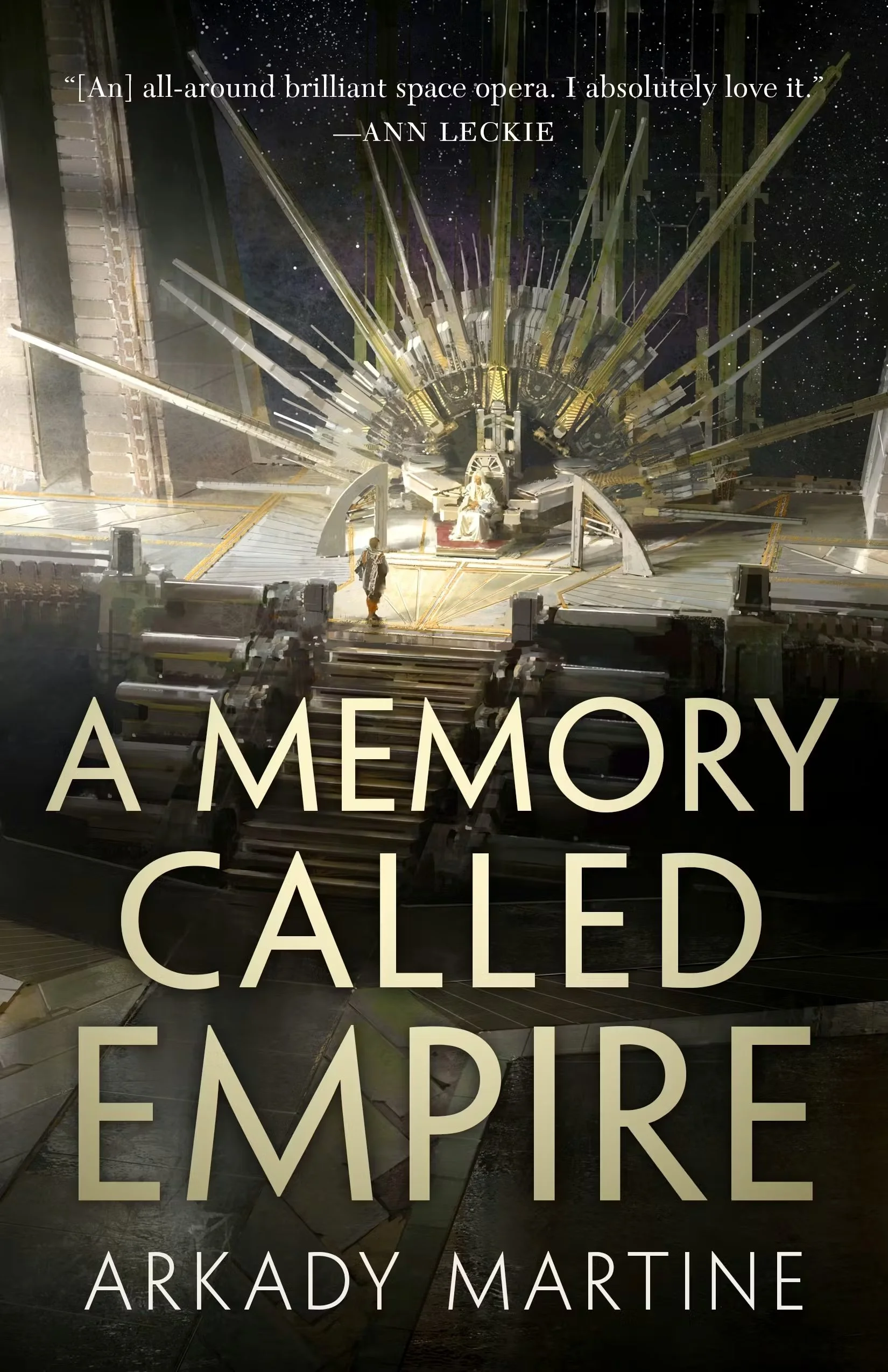
Arkady Martine
Arkady Martine's debut won the Hugo Award for Best Novel, and it deserves every word of the praise it received. The story follows Mahit Dzmare, ambassador from a small independent mining station, who arrives in the vast Teixcalaanli Empire to investigate the mysterious death of her predecessor — and finds herself tangled in political intrigue that could destroy her home.
What makes it remarkable is how humane it is. This is a book about the seductiveness of empire, about what it means to love the culture that might consume you, about language and identity and the particular loneliness of being an outsider in a beautiful place that doesn't see you as fully real. The politics are intricate but never confusing, the world is alien but richly felt, and the central relationship between Mahit and a Teixcalaanli diplomat named Three Seagrass is one of the most quietly electric in recent SF. It is followed by an equally excellent sequel, A Desolation Called Peace.
Check it out on Amazon.
For Readers Who Want Scale Above All Else
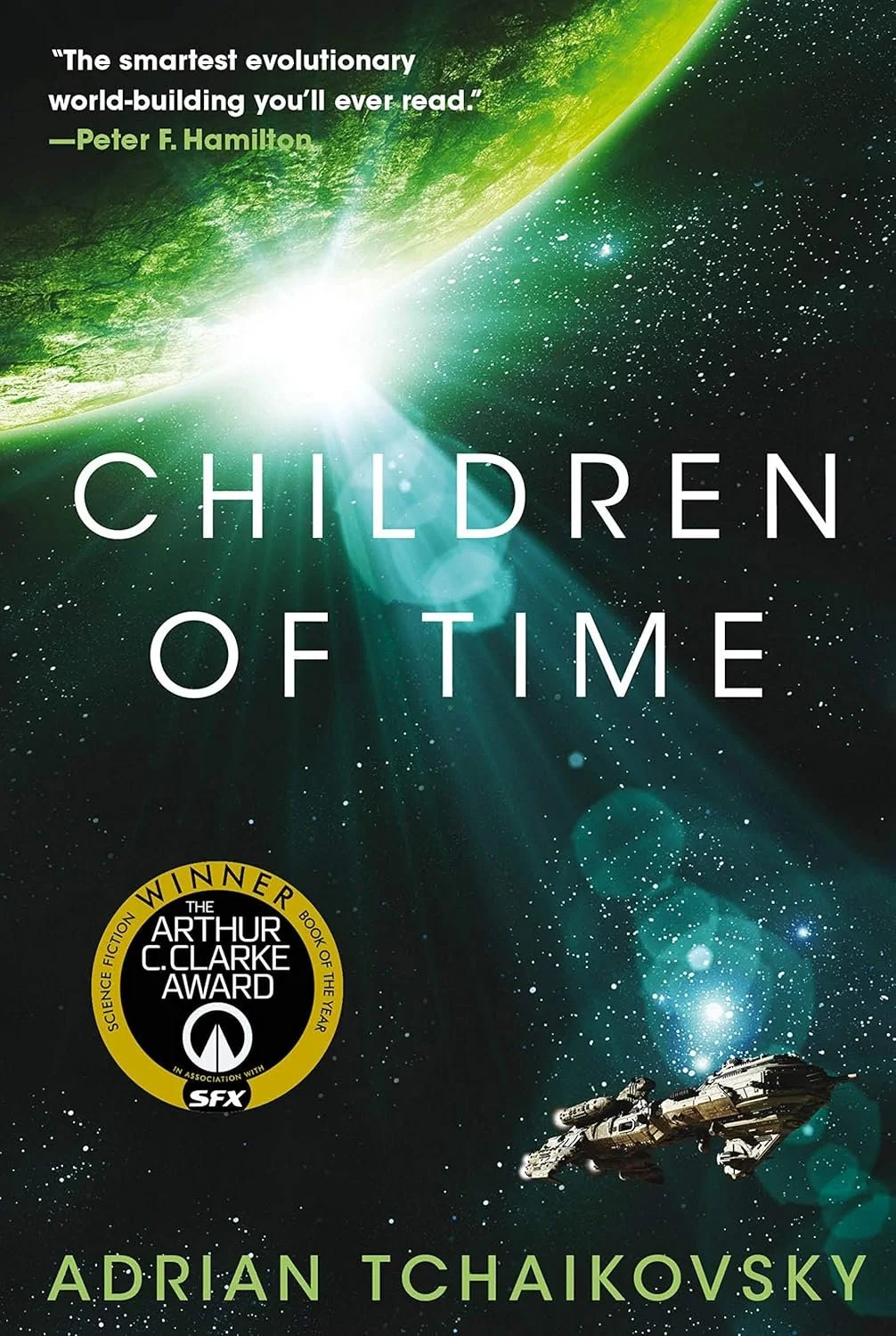
Adrian Tchaikovsky
Winner of the Arthur C. Clarke Award, Children of Time is one of the most genuinely alien books in recent science fiction — and one of the most moving. In the far future, a terraforming experiment gone wrong has resulted in spiders, rather than humans, evolving to intelligence on a distant world. The novel alternates between following the development of this spider civilization across thousands of years and tracking the last desperate voyage of a human arkship searching for a new home.
Tchaikovsky does something extraordinary: he makes the spiders comprehensible and sympathetic without making them human. Their society, their science, their religion, their wars all emerge from their nature as spiders — and watching that civilization grow from primitives to a spacefaring culture is one of the great pleasures the genre has offered in years. The human storyline, a claustrophobic drama about survival and ideology aboard a dying ship, provides sharp counterpoint.
Find it on Amazon.
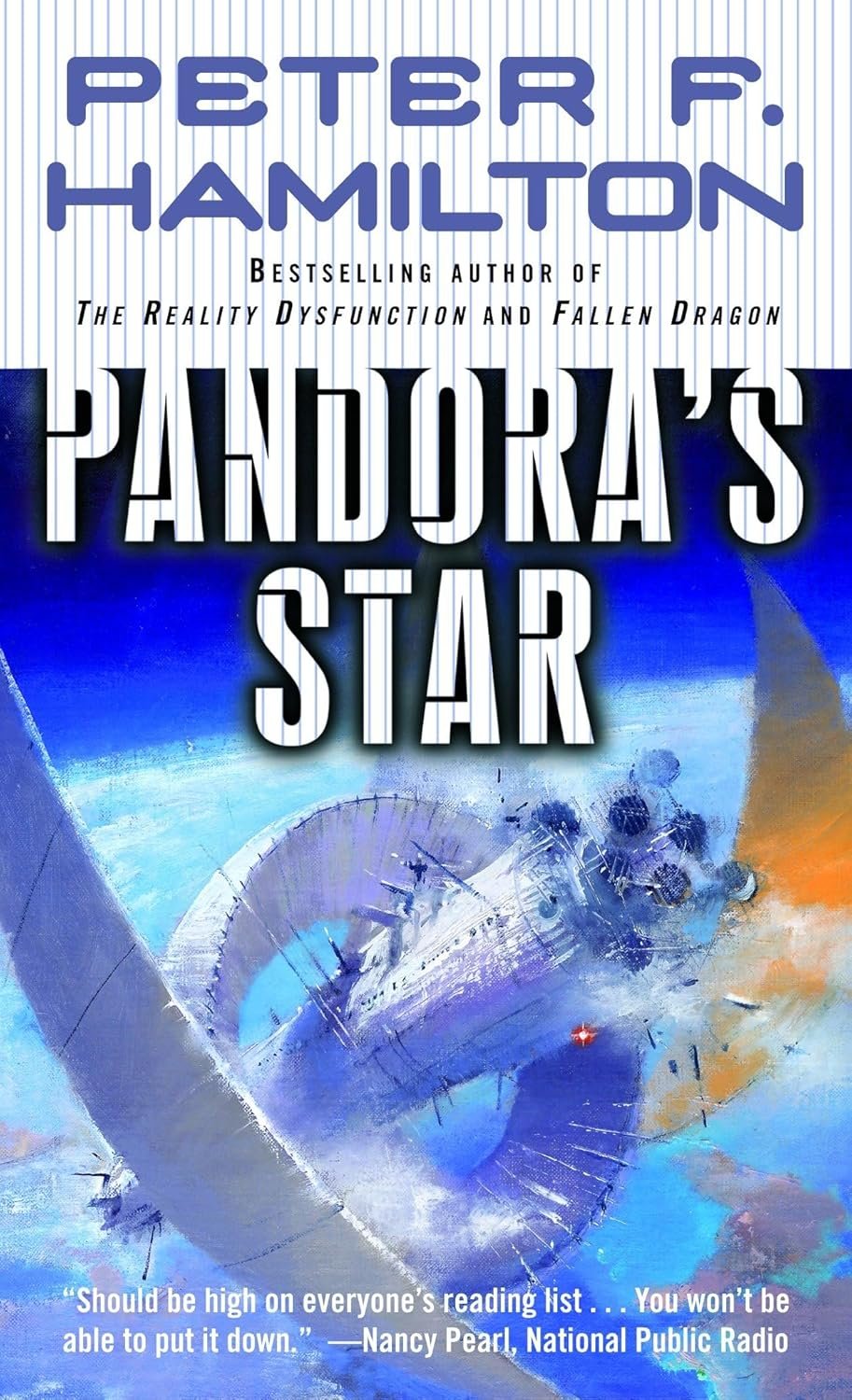
Peter F. Hamilton
If sheer, unapologetic bigness is what you're after, Peter F. Hamilton is your writer, and Pandora's Star is the place to begin. Set in the 24th century, when humanity has spread across hundreds of worlds connected by wormholes and most people live indefinitely through rejuvenation treatments, it opens with an astronomer who notices that two distant stars have simultaneously disappeared — apparently enclosed in an impenetrable force field by something. The Commonwealth sends its first faster-than-light starship to find out what.
The answer, when it comes, is terrifying. Hamilton writes at a scale that makes most space opera look modest: the cast runs to dozens of characters across multiple planets, the political and social world of the Commonwealth is built in extraordinary detail, and the threat that eventually emerges is genuinely epic in its implications. Pandora's Star is the first half of a duology; Judas Unchained completes it and is equally essential.
Experience it on Amazon.
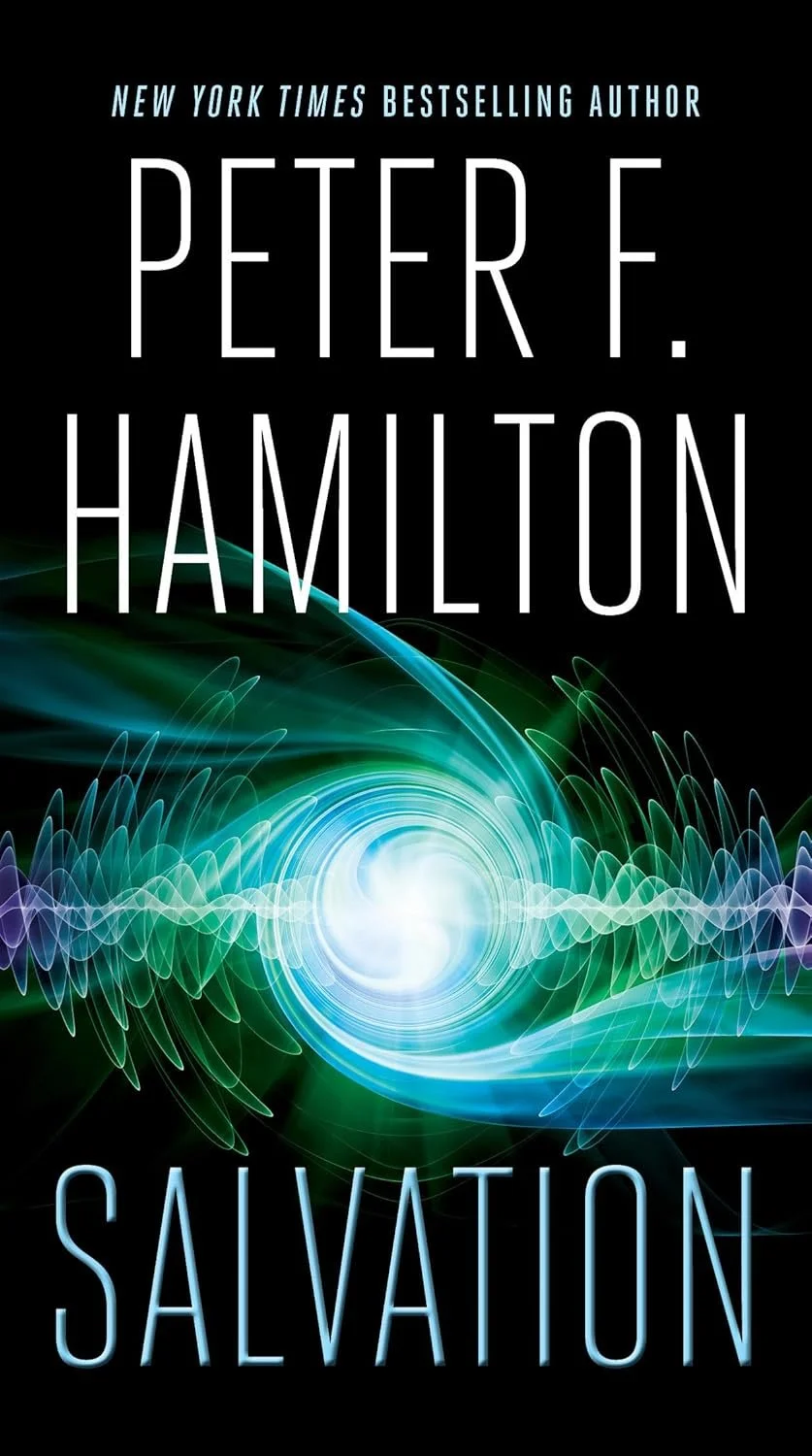
Peter F. Hamilton
Hamilton appears twice on this list because he is simply one of the most reliable providers of large-scale space opera working today, and Salvation — the first book of his more recent Salvation Sequence — is a slightly more accessible entry point than Pandora's Star for readers new to his work.
The novel weaves together two timelines: a near-future story in which a team of investigators examines a mysterious alien artifact on a remote planet, and a far-future story set thousands of years later in which a small group of warriors may be humanity's last hope against an existential threat. As the two timelines gradually illuminate each other, the scope of what Hamilton is building becomes clear — and it is vast. The book moves faster than his Commonwealth novels and has a tighter central mystery, making it an excellent gateway to his particular brand of sprawling, meticulous, utterly committed space opera.
Read it on Amazon.
A Note on Where to Go Next
Nine books is a beginning, not an ending. If Dune or Foundation ignited something in you, go deeper into the classics: Ursula K. Le Guin's The Left Hand of Darkness or Poul Anderson's Tau Zero both reward the effort. If the modern books are more your speed, Yoon Ha Lee's Ninefox Gambit, Iain M. Banks's Culture series (start with The Player of Games), or Ann Leckie's Ancillary Justice are all waiting. If Children of Time broke your brain in the best way, Tchaikovsky has written a dozen more books that will do the same. And if you've torn through Pandora's Star and Salvation and want more Hamilton, the Night's Dawn Trilogy will keep you occupied for months.
Space opera at its best is the literature of the impossible made emotionally real — stories that insist that the choices individuals make matter even against the backdrop of eternity and the silence of the stars. Once it has you, it tends to keep you. Consider yourself warned.
Happy reading. The stars are waiting.
This post contains affiliate links. I may earn a commission at no extra cost to you.
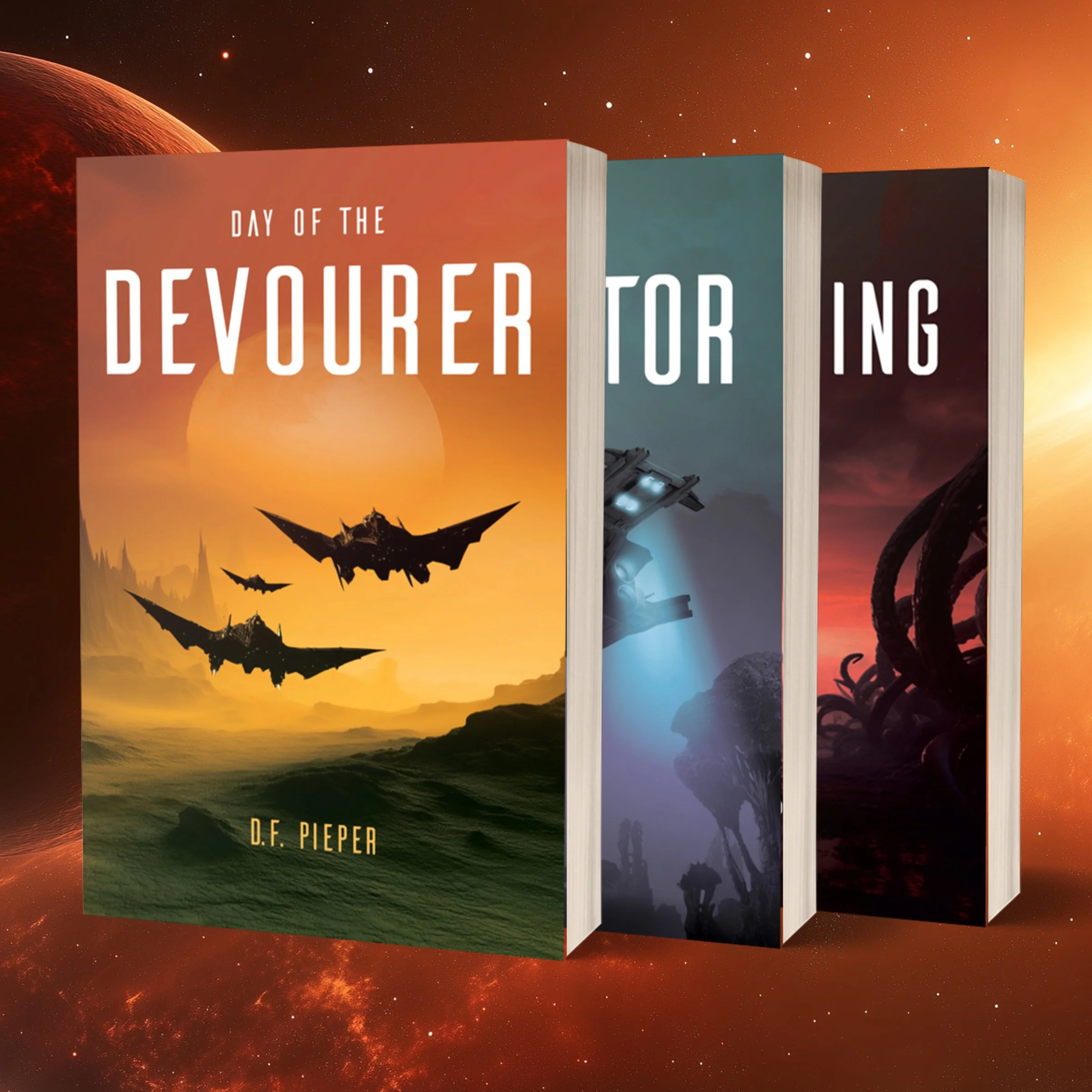
SPONSORED BY
The Devourer Trilogy
In exchange for his freedom, a disgraced galactic agent has only three days to find and destroy a mysterious alien weapon.
