The Most Influential Science Fiction Authors
(Who Shaped the Genre and the World)
Here's something worth sitting with for a moment: the ideas in science fiction novels don't just predict the future. They help create it. Engineers, scientists, and technologists have repeatedly cited sci-fi as the spark that lit their ambitions. The submarine. The geostationary satellite. The tablet computer. The internet. These weren't just invented. They were imagined first, in fiction, by authors who looked at the world and asked “what's next”
So when we talk about the most influential science fiction authors ever, we're not just talking about great storytellers. We're talking about people who rewired how humanity thinks about itself. Let's get into it.
This post contains affiliate links. I may earn a commission at no extra cost to you.
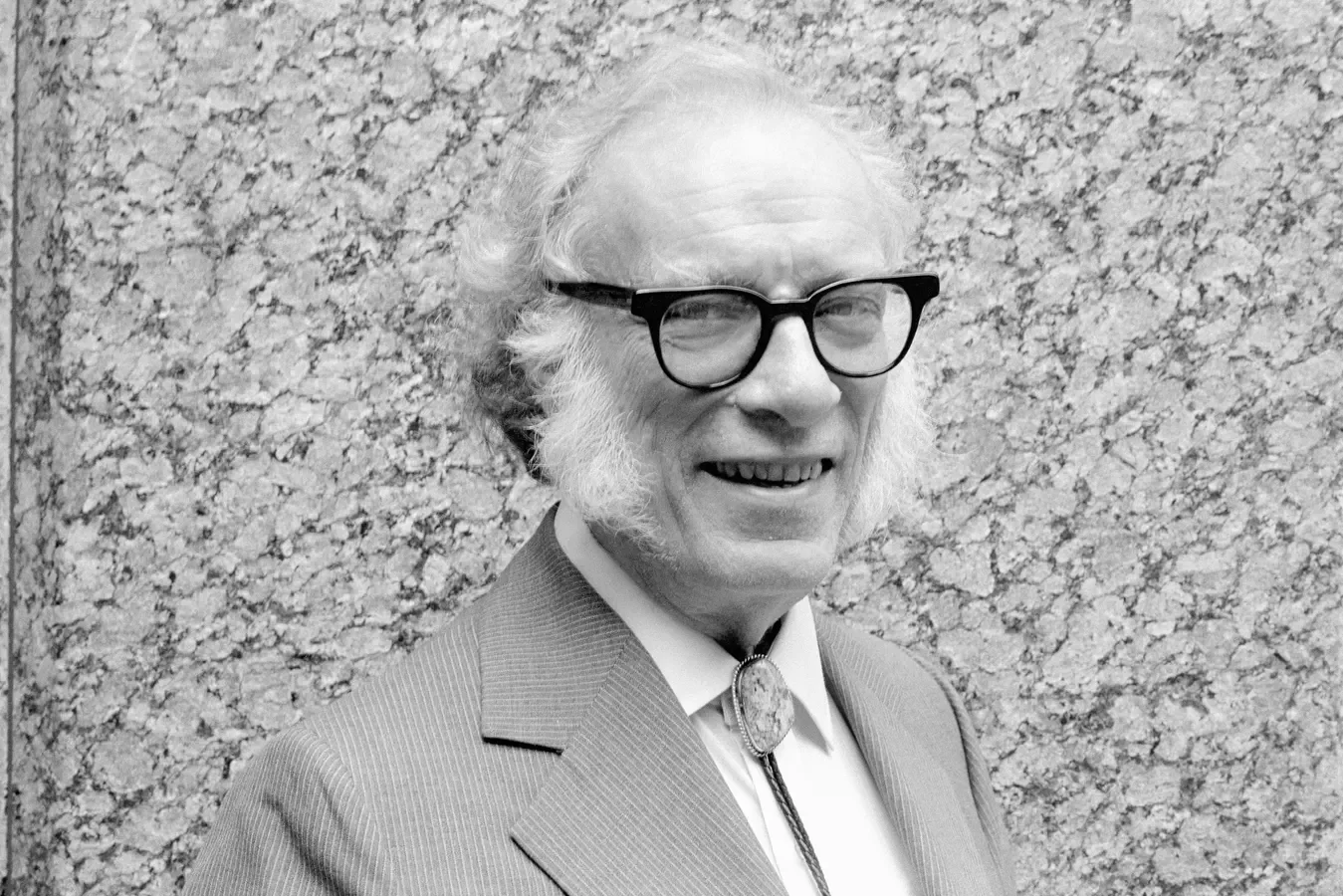
Isaac Asimov
The Man Who Gave Us the Rules of Robotics
If you've ever heard the phrase "a robot may not harm a human being," you're quoting Isaac Asimov — whether you know it or not. Asimov's Three Laws of Robotics, introduced in his 1942 short story collection, didn't just shape decades of science fiction. They shaped how engineers, ethicists, and AI researchers actually think about machine intelligence today.
Asimov was extraordinarily prolific — over 500 books across science and fiction — and his Foundation series remains one of the most ambitious works in the genre: a sprawling, millennia-spanning story about the fall and rebuilding of a galactic civilization, using math to predict the future of societies. It's grand, it's idea-rich, and it holds up remarkably well. He essentially invented the robot story as we know it, and his influence echoes through every AI narrative that's come since.

Ursula K. Le Guin
The One Who Changed Everything About Who Gets to Tell These Stories
Ursula K. Le Guin didn't just write brilliant science fiction. She used the genre as a vehicle for radical empathy and social critique in ways that permanently changed what the genre could do.
Her 1969 novel The Left Hand of Darkness — set on a planet where humans have no fixed biological sex — made readers confront their assumptions about gender so completely that it's still taught in universities around the world. The Dispossessed (1974) presented an anarchist utopia and a capitalist society side by side, refusing to make either one simply "right," and is still one of the most genuinely political novels the genre has produced.
Le Guin fought her entire career for the legitimacy of genre fiction, for the inclusion of women and people of color in the genre's canon, and for the idea that science fiction was literature. She was right on all counts. No single author has done more to expand the moral imagination of the field.
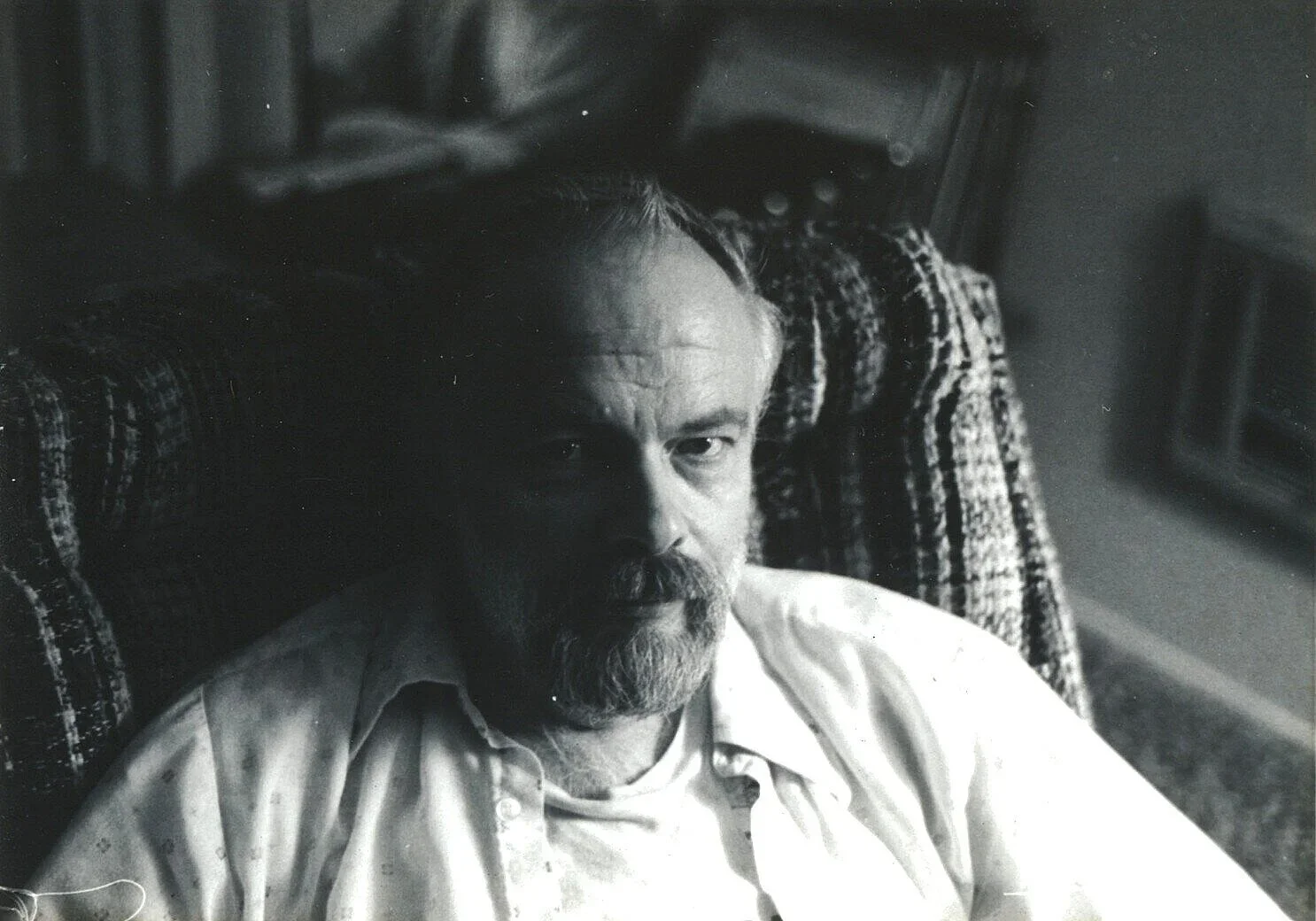
Philip K. Dick
The Paranoid Prophet of the Digital Age
Philip K. Dick wrote fast, wrote cheap, and wrote brilliantly. His ideas were so ahead of their time that Hollywood is still mining them decades after his death in 1982. Blade Runner, Total Recall, Minority Report, The Man in the High Castle, A Scanner Darkly — all Dick adaptations. And each one grapples with his central obsessions: what is real? What does it mean to be human? How do we know our memories and identities are our own?
In an age of deepfakes, algorithmic reality, surveillance capitalism, and AI-generated content, Philip K. Dick reads less like science fiction and more like journalism. His anxiety about the nature of authentic experience and the fragility of perceived reality has never felt more relevant. If you haven't read Do Androids Dream of Electric Sheep? (the novel that became Blade Runner), do it immediately.
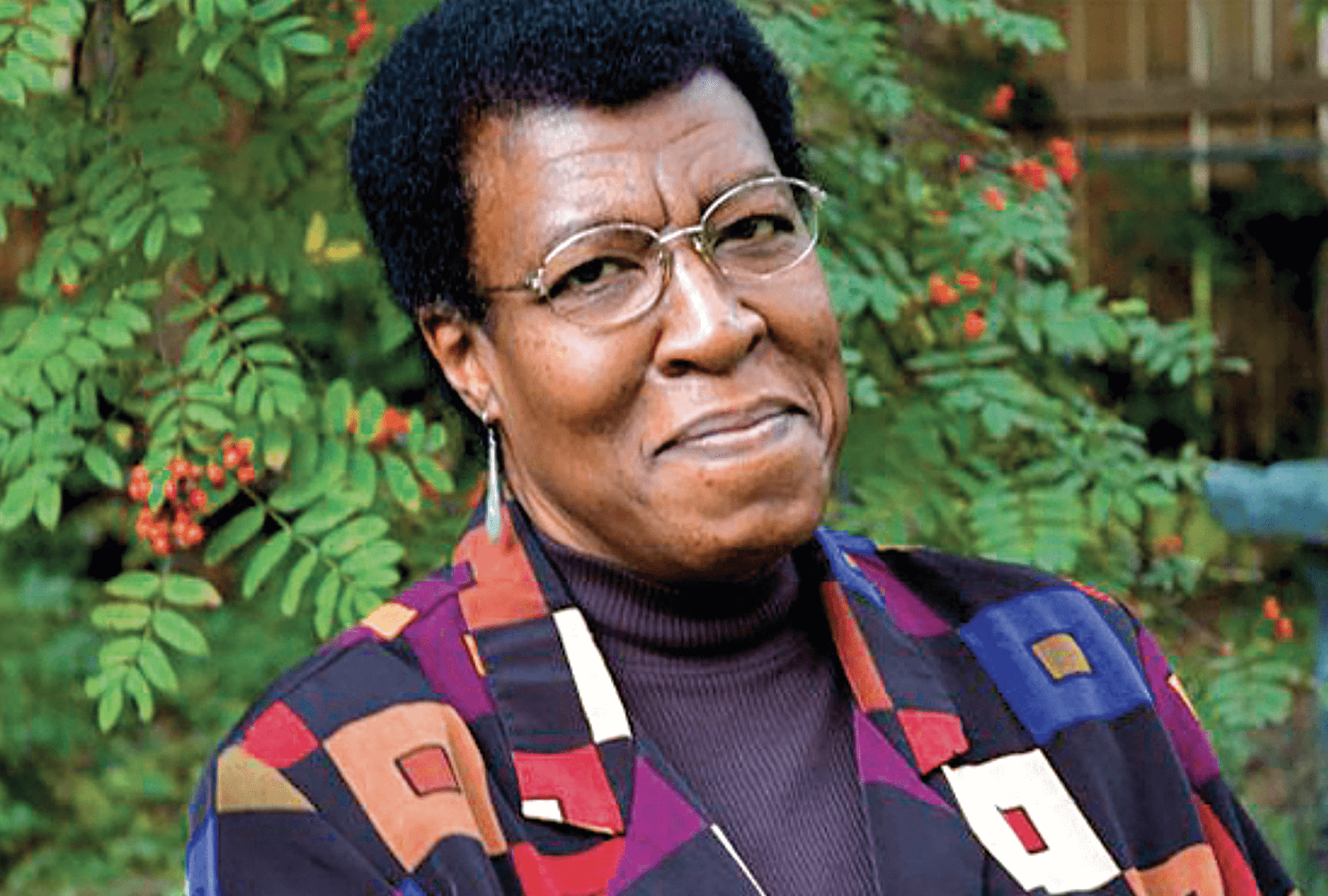
Octavia Butler
The Most Important Voice the Genre Almost Missed
Octavia Butler was a Black woman writing science fiction in the 1970s and 1980s — a time when both were considered commercially risky by publishers who thought the genre's audience was exclusively white and male. She persisted anyway, and what she produced was extraordinary.
Her Patternist series, the Xenogenesis trilogy, and the standalone novel Kindred — a time-travel story about a Black woman thrown back into antebellum slavery — are all landmark works. Her Parable series, written in the 1990s, depicts a near-future California collapsing under climate catastrophe and wealth inequality, led by a young Black woman building a new religion around the idea of purposeful change. It reads like today's headlines.
Butler won the MacArthur "Genius" Grant in 1995 and remains the only science fiction writer to have won it. Her influence on a generation of diverse writers — and on the ongoing movement to make science fiction inclusive — is incalculable. She changed who science fiction was for.
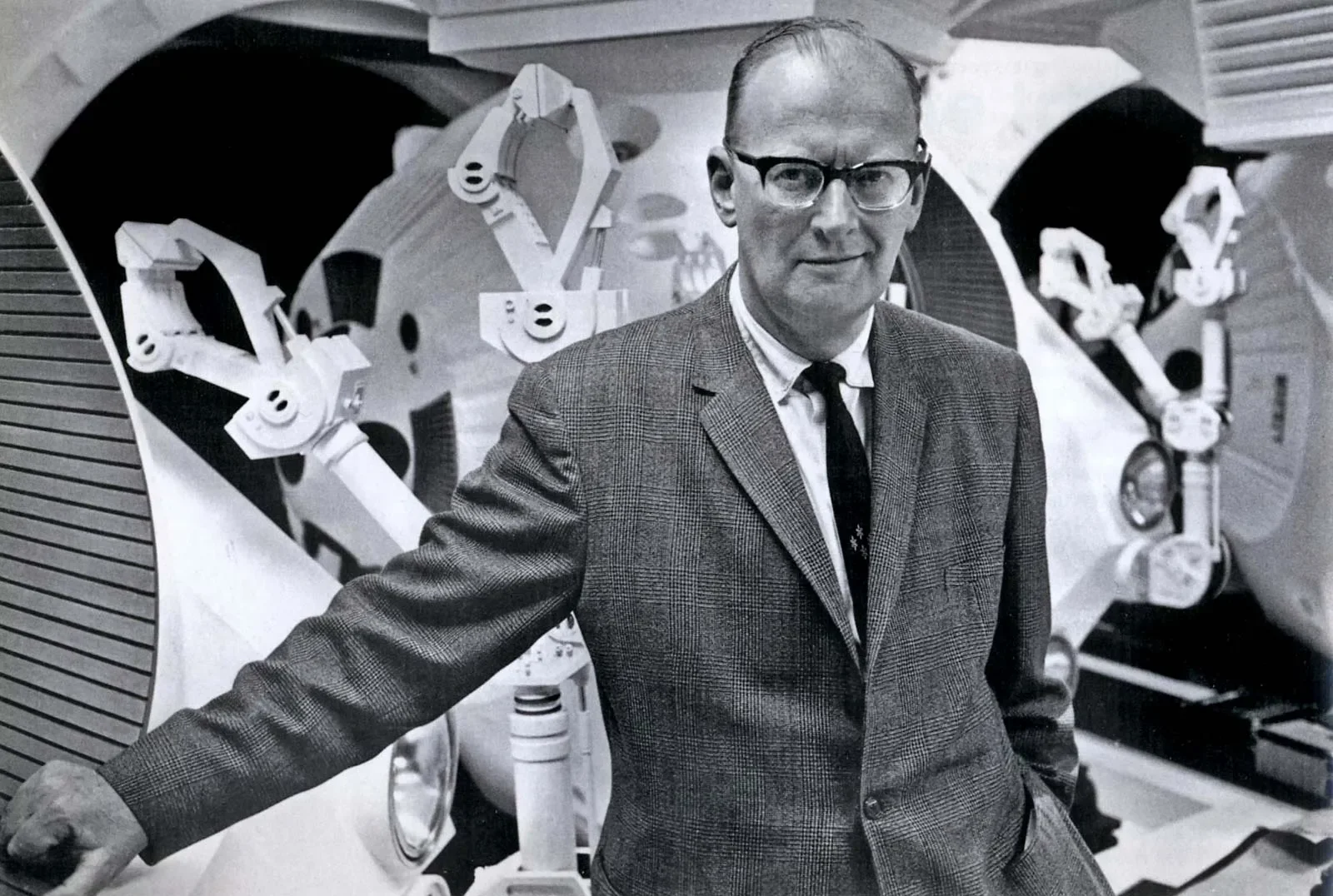
Arthur C. Clarke
The Scientist Who Dreamed Big
Arthur C. Clarke had a gift that almost no other fiction writer has possessed: he was a working scientist who wrote with genuine technical rigor and genuine wonder in equal measure. He proposed the concept of the geostationary communications satellite in 1945 — a real scientific contribution, made in a technical paper, not a novel — and then spent the rest of his career imagining the human future in the cosmos.
2001: A Space Odyssey (written with Stanley Kubrick) remains one of the most visually and philosophically ambitious works of science fiction in any medium. Childhood's End, Rendezvous with Rama, and The City and the Stars each offered visions of humanity's cosmic future that were awe-inspiring and technically credible. Clarke's famous Third Law, "Any sufficiently advanced technology is indistinguishable from magic," is quoted more than most actual scientific principles.
Frank Herbert
The World-Builder’s World-Builder
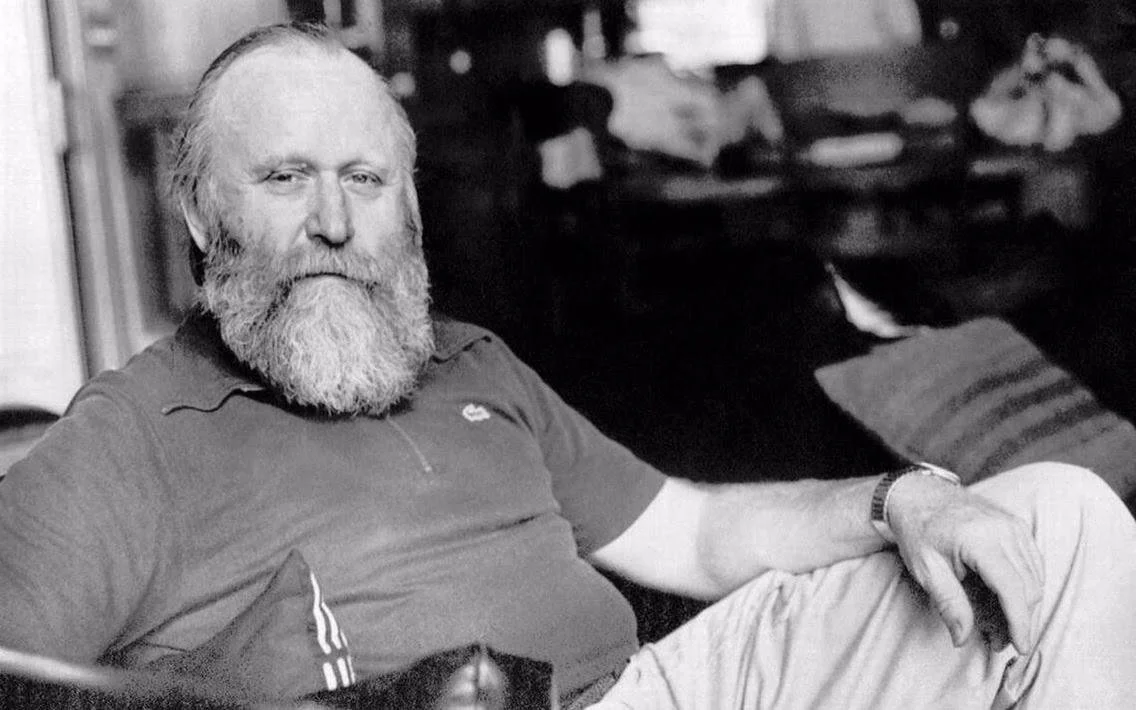
Dune (1965) is the best-selling science fiction novel of all time for good reason: it is a staggeringly detailed, politically sophisticated, ecologically aware work that was decades ahead of its time. Frank Herbert built not just a world but a universe—with its own religions, political systems, economic structures, and ecological philosophy—and then populated it with characters complex enough to carry the weight.
Herbert was writing about the dangers of charismatic leaders, the politics of resource scarcity (the spice as oil is not subtle), and humanity's tendency toward messianic thinking before those were common concerns in mainstream discourse. The Dune universe remains a template for epic world-building that every fantasy and sci-fi writer since has had to reckon with.
Why These Authors Still Matter
Science fiction at its best is a literature of serious ideas. These writers weren't just entertainers — they were philosophers, social critics, and futurists who used the freedom of imagination to ask questions that realism couldn't. They imagined new worlds so we could see our own more clearly.
And here's the thing: the conversation they started is still going. Every great piece of science fiction being written right now is in dialogue with these authors. Every AI ethics discussion, every climate fiction novel, every story about identity in a digital world — all of it traces back to these foundational voices.
Pick one. Start reading. And welcome to one of the richest literary traditions on earth.