Amazon Sci-Fi Book Categories Explained
If you've ever browsed Amazon’s science fiction section, you know the experience can be overwhelming. With thousands of titles spanning countless variations of speculative storytelling, Amazon has helpfully divided the genre into eighteen distinct subgenres. Understanding these categories can help you find exactly the kind of story you're craving—or discover new flavors of sci-fi you never knew existed.
Let's explore each subgenre with examples that capture their essence.
Adventure
Science fiction adventure puts the emphasis on fast-paced action, exploration, and thrilling escapes. These books prioritize excitement and forward momentum over deep philosophical questions. Andy Weir's The Martian exemplifies this category perfectly, following astronaut Mark Watney's desperate struggle to survive on Mars through ingenuity and determination. Similarly, Ernest Cline's Ready Player One delivers pure adventure through a high-stakes treasure hunt across a virtual universe, where the prize is control of the OASIS itself.
Alien Invasion
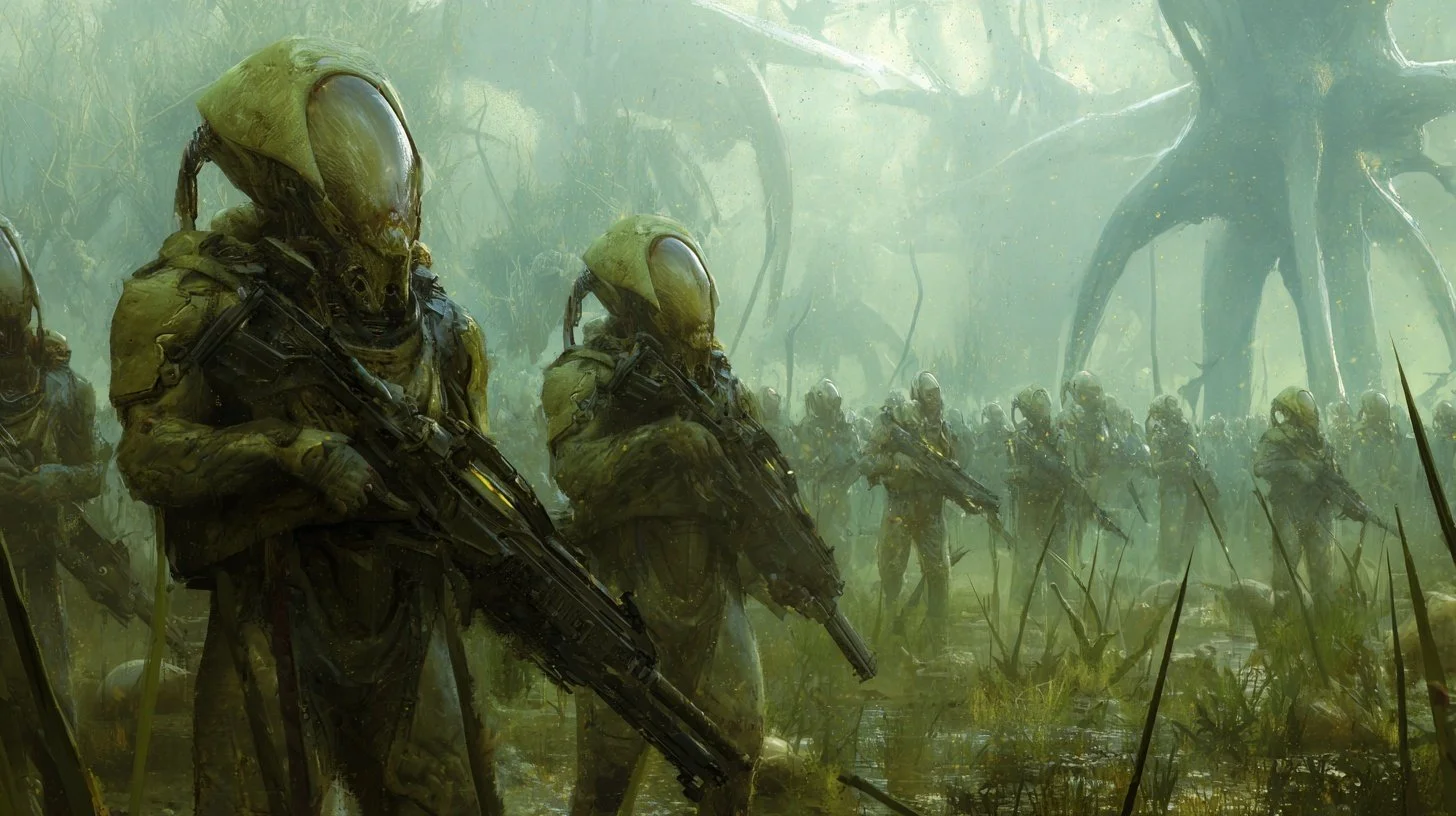
When extraterrestrials arrive with hostile intentions, you're in alien invasion territory. Ever since H.G. Wells’ War of the Worlds, these stories have explored humanity's response to existential threats from beyond our planet. John Scalzi's Old Man's War presents a future where Earth faces multiple alien species competing for habitable planets, forcing humanity to militarize its elderly population. Liu Cixin's The Three-Body Problem takes a more cerebral approach, revealing a centuries-long alien plan to invade Earth that begins with first contact gone terribly wrong.
Alternative History
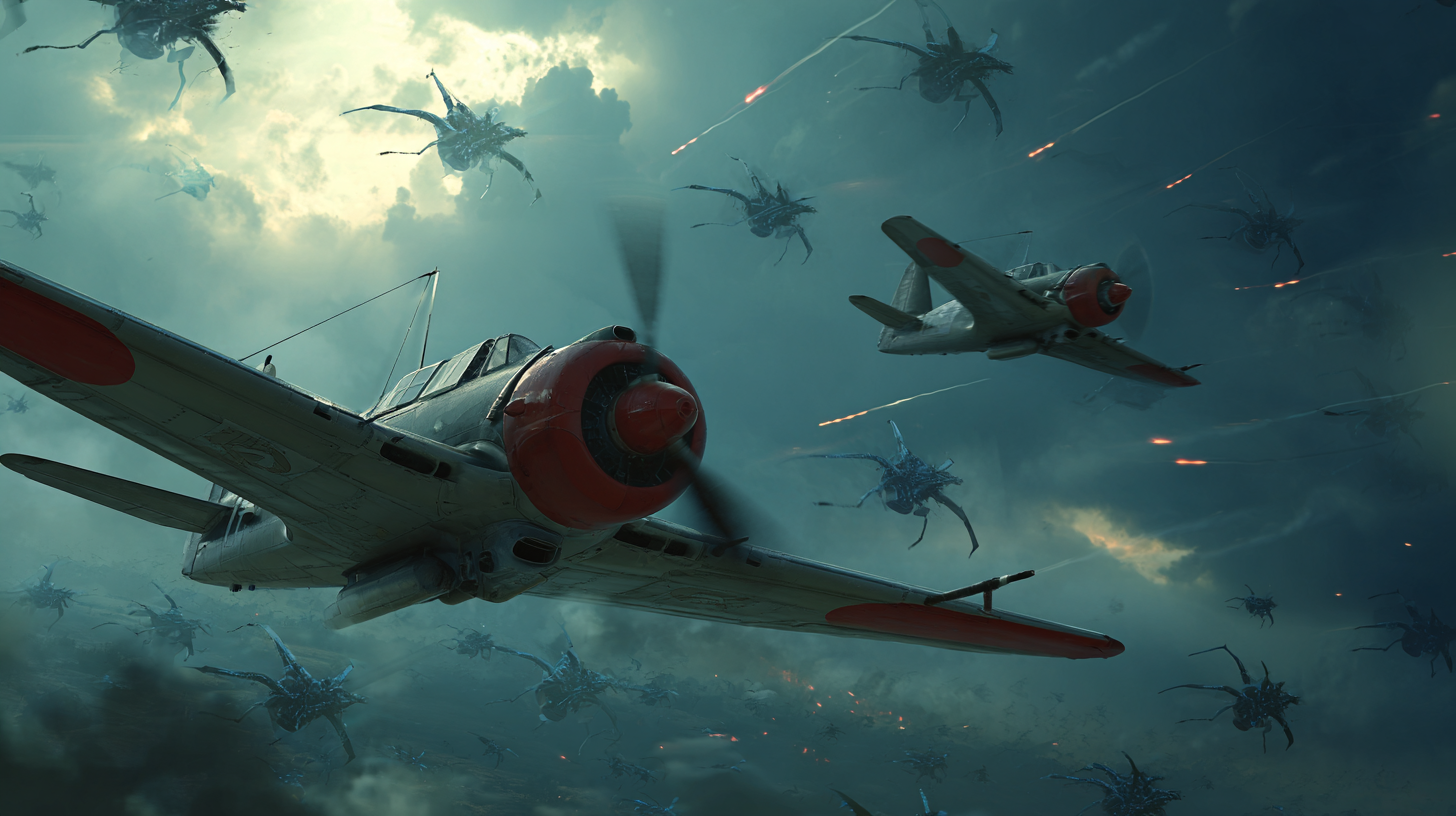
What if history took a different turn? Alternative history science fiction explores parallel timelines where key events unfolded differently. Philip K. Dick's The Man in the High Castle imagines an America divided between Japanese and Nazi control after the Axis powers won World War II. Kim Stanley Robinson's The Years of Rice and Salt asks what would have happened if the Black Death had killed 99% of Europe's population, allowing Islamic and Chinese civilizations to dominate world history.
Androids, Robots & Artificial Intelligences
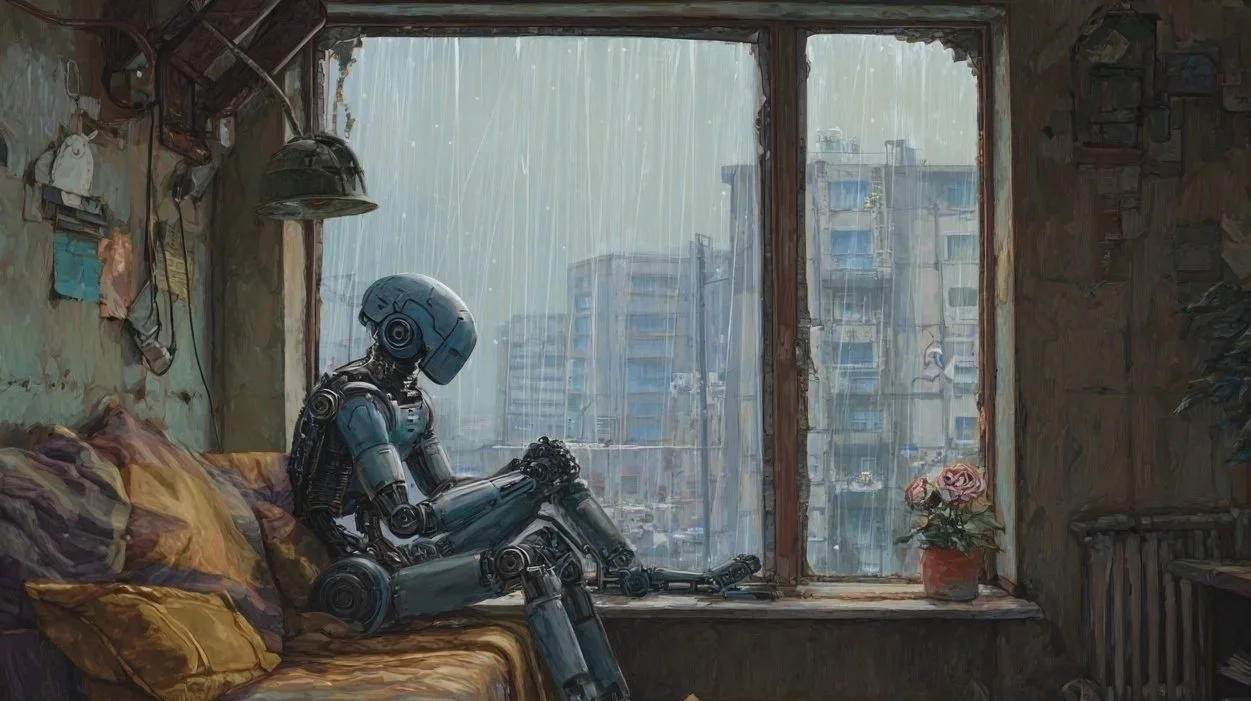
Stories focused on artificial beings and machine consciousness form this category. Isaac Asimov's I, Robot collection established many tropes of robot fiction through stories exploring his famous Three Laws of Robotics. For a more contemporary take, Martha Wells' All Systems Red (the first Murderbot Diaries novel) presents a security android that has hacked its own governor module and just wants to be left alone to watch entertainment feeds while reluctantly protecting humans.

Colonization
The colonization subgenre examines humanity's expansion into space and the establishment of settlements on other worlds. Kim Stanley Robinson's Red Mars (and its sequels) provides an exhaustive look at terraforming and settling Mars, exploring the political, social, and scientific challenges of building a new society. Ursula K. Le Guin's The Dispossessed uses a moon colony as the setting to explore anarchist philosophy and the tension between capitalist and collectivist societies.
Crime & Mystery
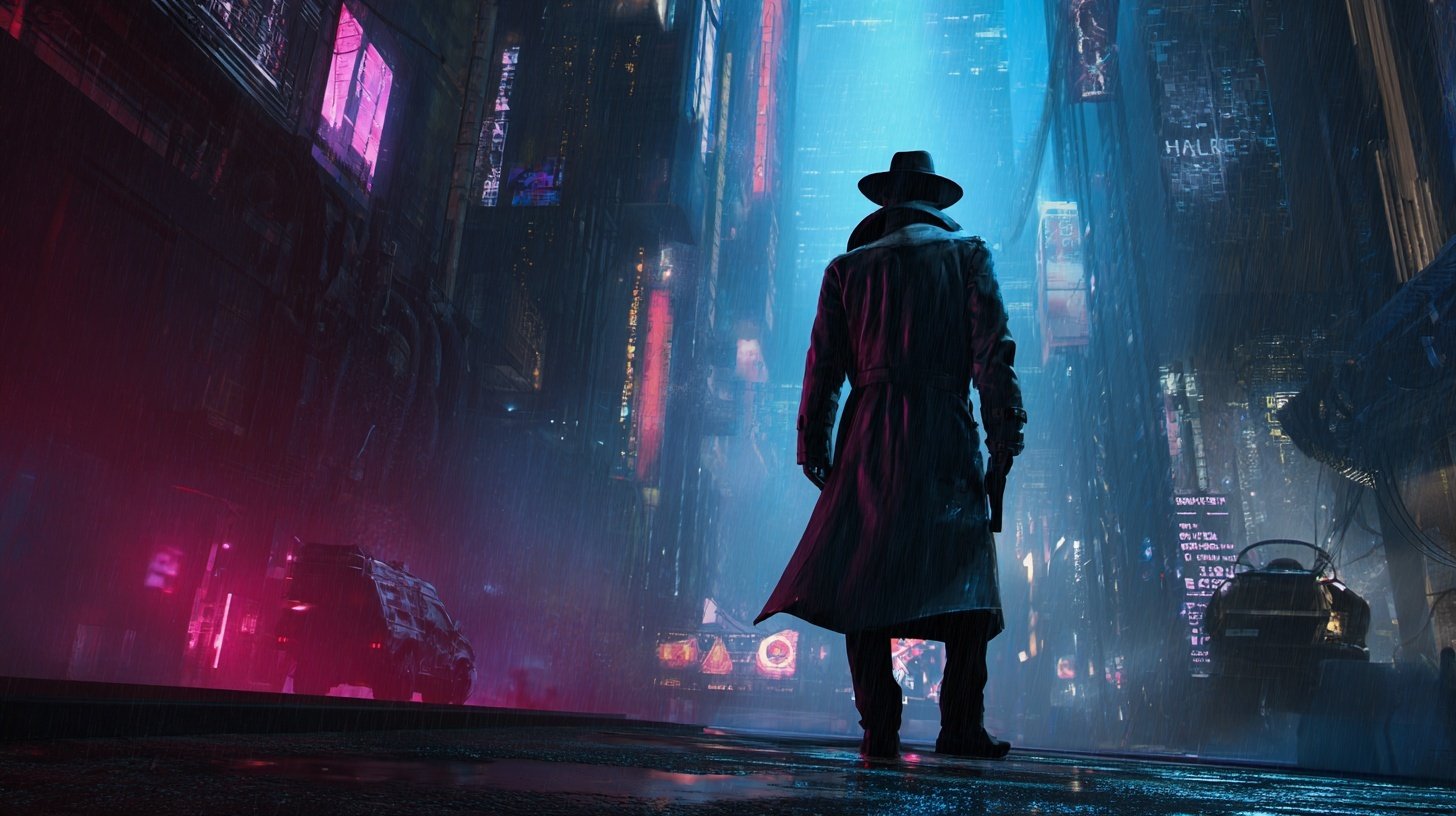
When detective work meets science fiction, you get novels where futuristic settings provide the backdrop for solving crimes. Richard K. Morgan's Altered Carbon features detective Takeshi Kovacs in a future where consciousness can be transferred between bodies, making murder investigations exponentially more complex. Isaac Asimov's The Caves of Steel pairs a human detective with a robot partner to solve a murder in Earth's overcrowded, enclosed cities.
Cyberpunk
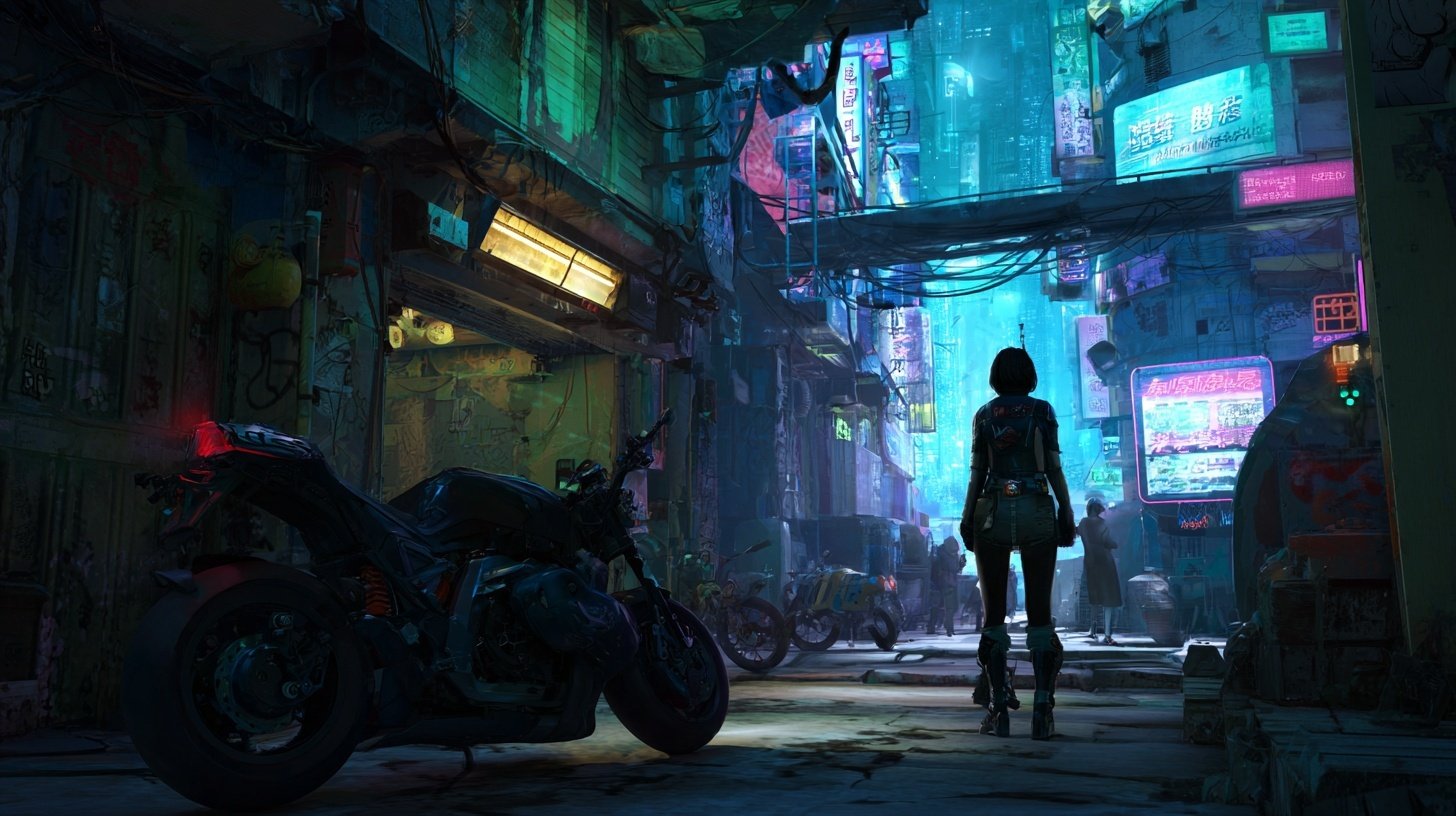
Born in the 1980s, cyberpunk focuses on high-tech, low-life futures where powerful corporations dominate, hackers rule cyberspace, and human augmentation blurs the line between flesh and machine. William Gibson's Neuromancer essentially defined the genre with its vision of cyberspace, console cowboys, and AI entities. Neal Stephenson's Snow Crash updates the formula with a protagonist named Hiro Protagonist who delivers pizza for the Mafia in the real world and wields katanas in the Metaverse.
Dystopian
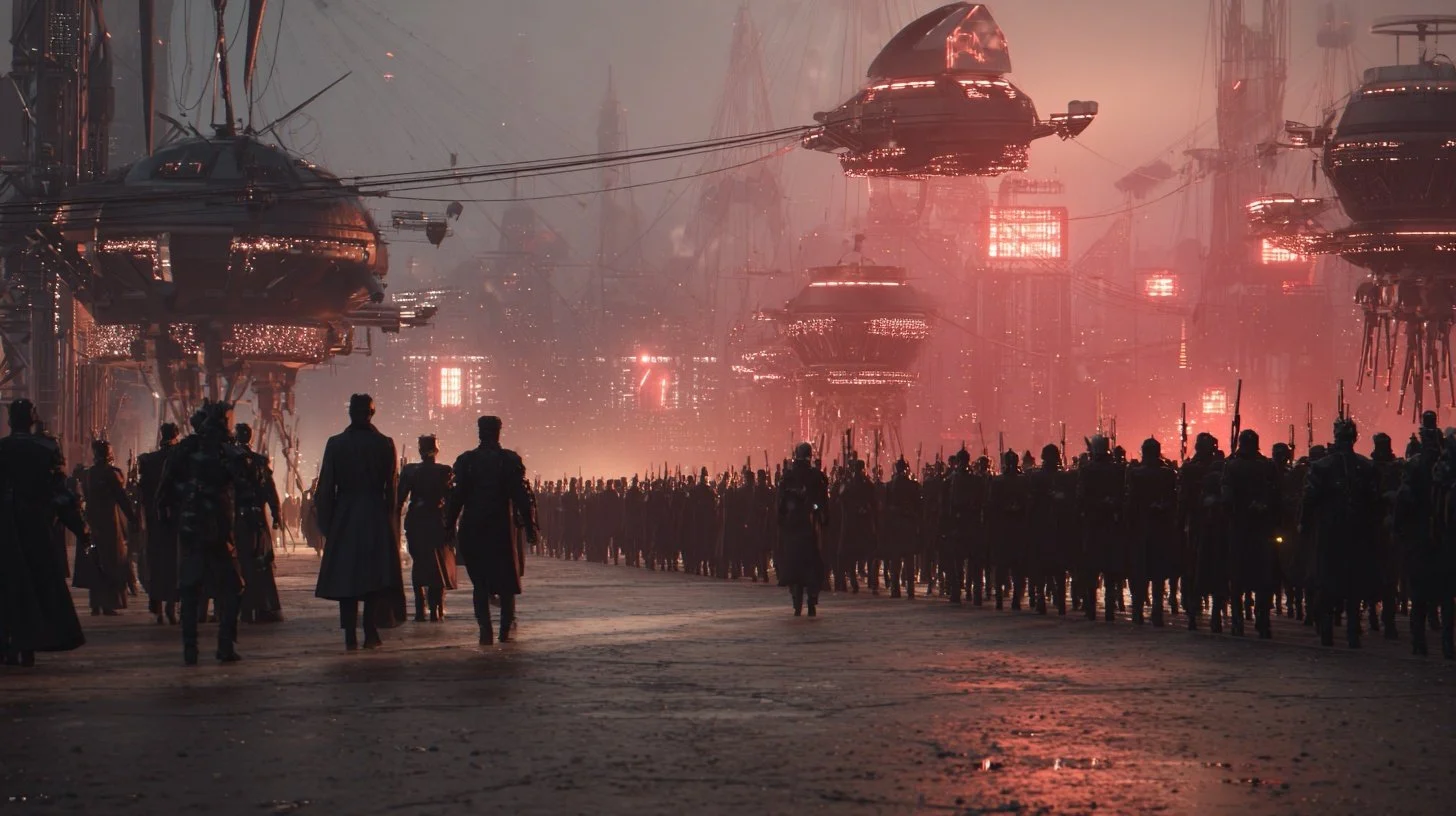
Dystopian science fiction presents oppressive, nightmarish futures as warnings about the trajectory of society. Margaret Atwood's The Handmaid's Tale depicts a theocratic dictatorship where women are stripped of autonomy and reduced to reproductive functions. George Orwell's 1984 remains the quintessential dystopia, portraying a totalitarian state that controls not just behavior but thought itself through constant surveillance and the manipulation of language.
First Contact
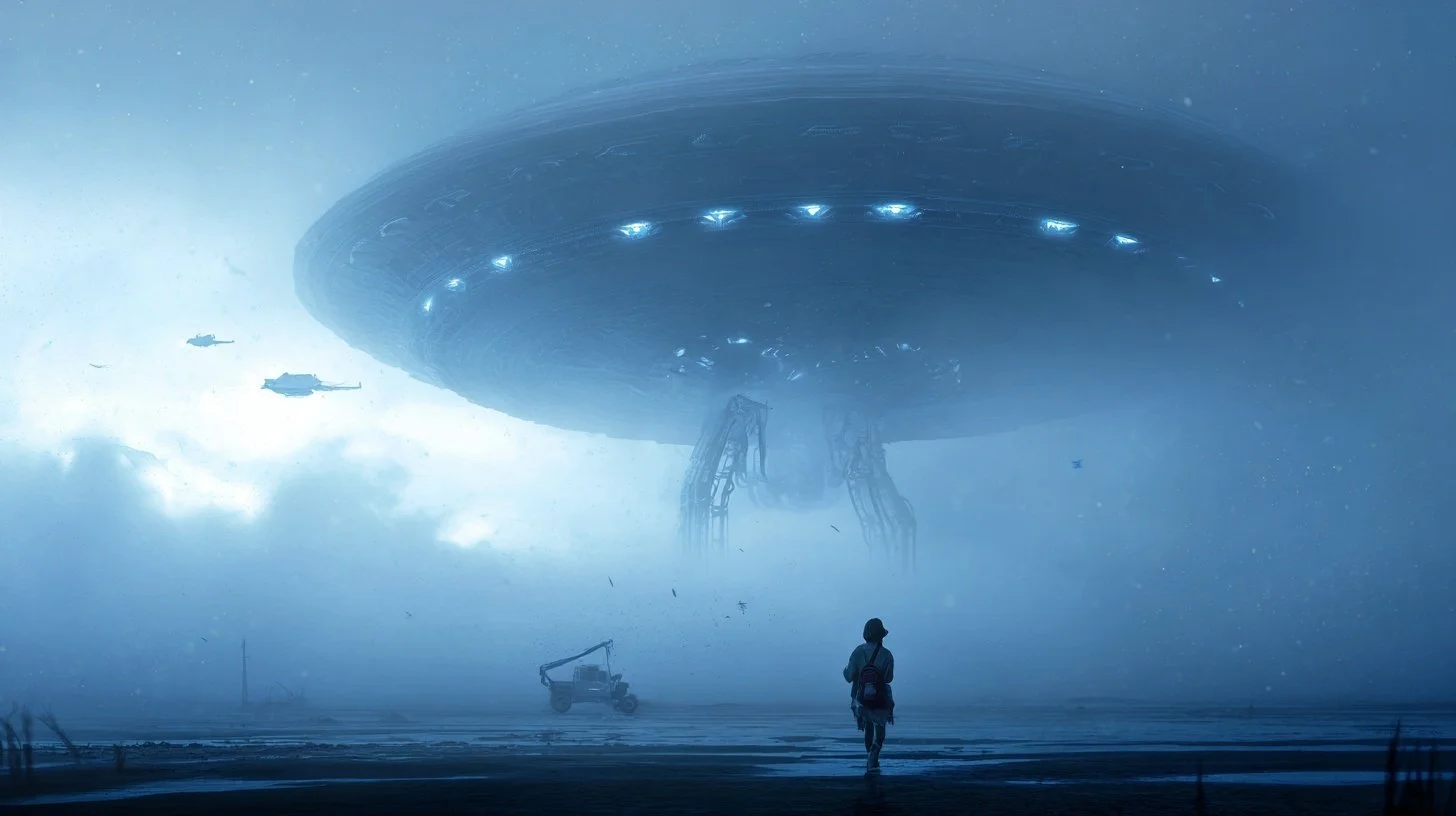
The moment humanity encounters intelligent alien life defines this subgenre. These stories explore communication challenges, cultural misunderstandings, and the profound implications of learning we're not alone. Carl Sagan's Contact follows scientist Ellie Arroway's quest to decode an alien message and humanity's first steps toward joining the cosmic community. Ted Chiang's novella Story of Your Life (collected in Stories of Your Life and Others) explores how learning an alien language might fundamentally alter human perception of time itself.
Galactic Empire
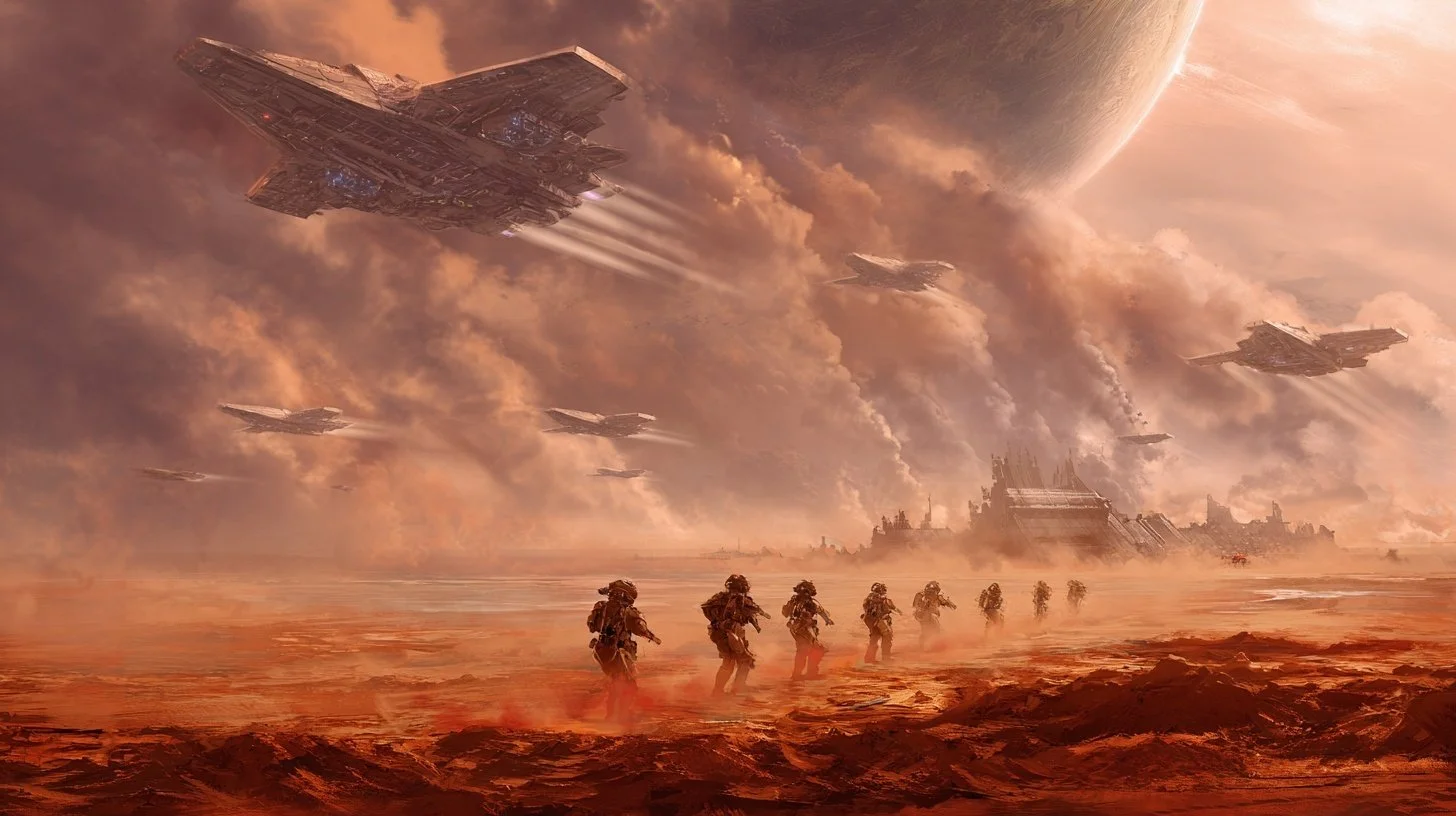
Epic in scope, galactic empire stories feature interstellar civilizations spanning multiple star systems. Isaac Asimov's Foundation series chronicles the fall of a galactic empire and mathematician Hari Seldon's attempt to shorten the coming dark age through "psychohistory." Frank Herbert's Dune presents a feudal galactic empire where noble houses compete for control of the desert planet Arrakis, the only source of the universe's most valuable substance.

Genetic Engineering
These stories explore the manipulation of DNA and its consequences for humanity and other species. Paolo Bacigalupi's The Windup Girl envisions a future where genetic engineering has created new species and "calorie companies" control food supplies through patented organisms. Margaret Atwood's Oryx and Crake presents a world where genetic manipulation has created new humanoid species and led to the near-extinction of unmodified humans.
Hard Science Fiction
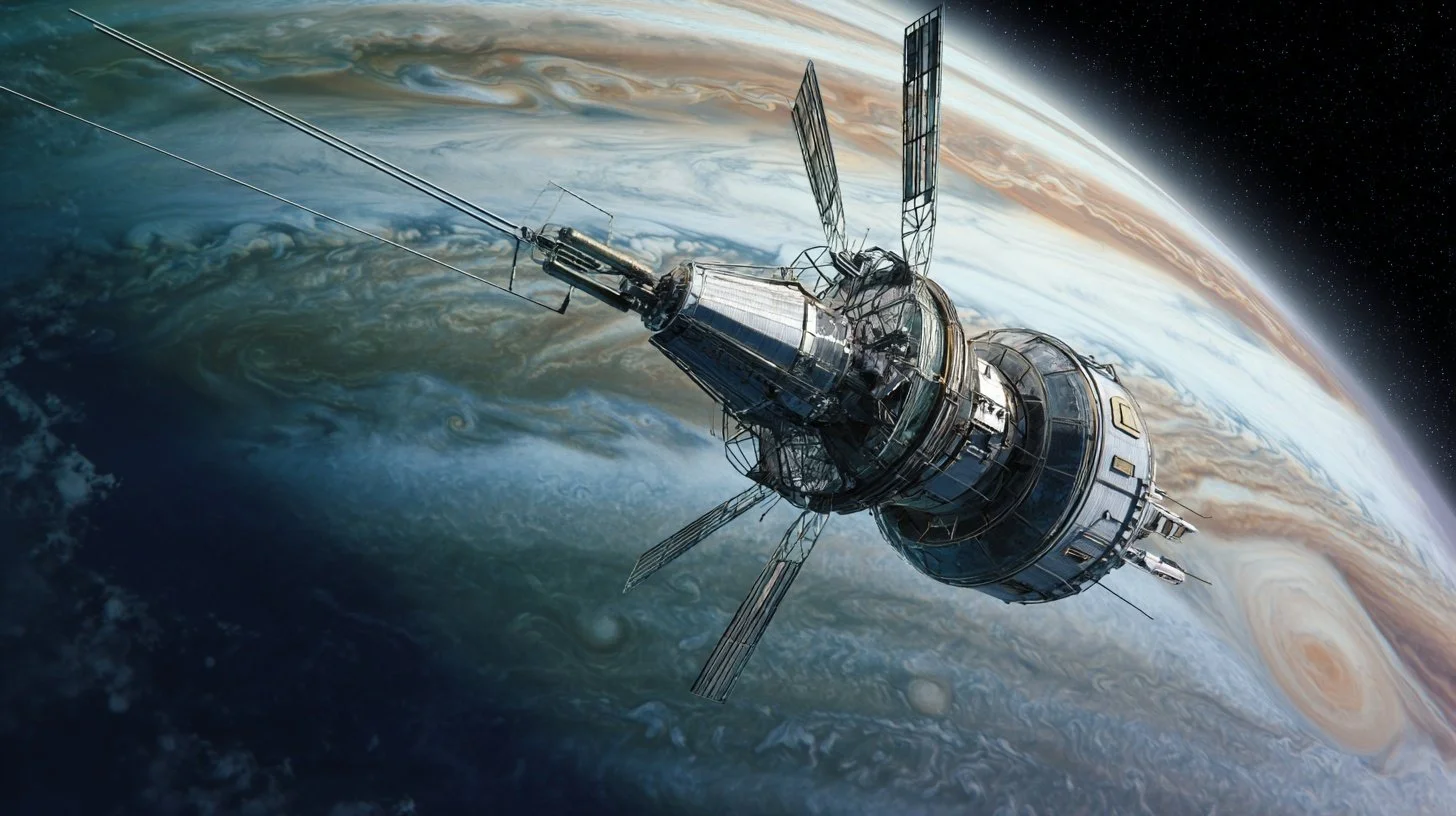
Hard SF prioritizes scientific accuracy and technical detail, often featuring plausible extrapolations of current science. Andy Weir's Project Hail Mary exemplifies the category with its meticulously researched approach to interstellar travel and first contact scenarios grounded in real physics. Kim Stanley Robinson's Mars trilogy belongs here as well, with its detailed attention to the actual science of terraforming and orbital mechanics.

Metaphysical & Visionary
The most philosophical corner of science fiction, these works use speculative elements to explore consciousness, reality, and the nature of existence. Philip K. Dick's Ubik questions the nature of reality itself as characters navigate a world where nothing is quite what it seems. Stanisław Lem's Solaris uses an encounter with a planet-sized sentient ocean to probe the limits of human understanding and communication.
Military
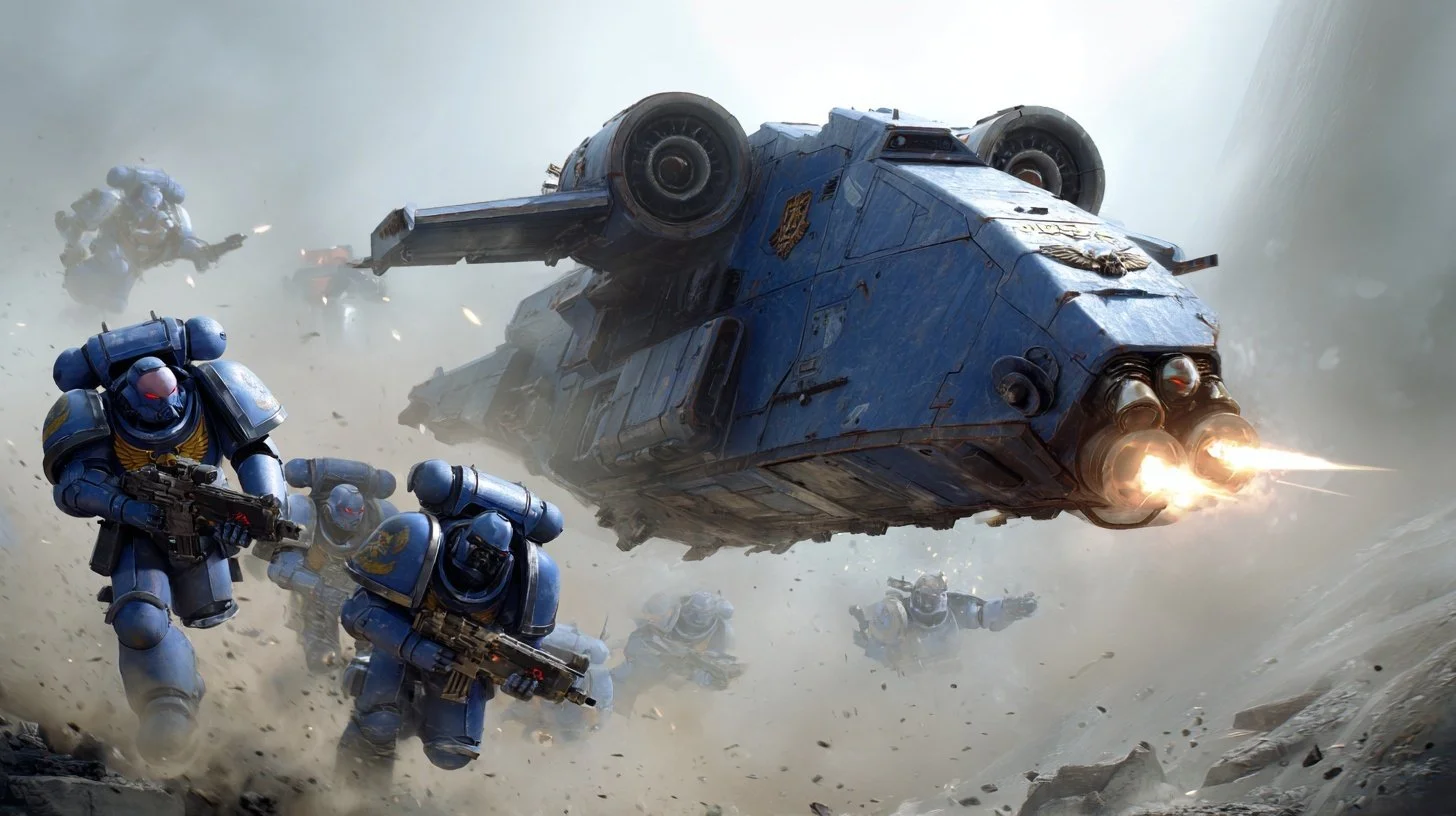
Military science fiction focuses on armed conflict, often featuring detailed depictions of future warfare and military culture. Robert A. Heinlein's Starship Troopers follows Johnny Rico through boot camp and into battle against an alien species called the Arachnids. Joe Haldeman's The Forever War uses interstellar warfare to explore the disorientation of soldiers returning from combat, with time dilation making Earth unrecognizable to veterans.
Post-Apocalyptic
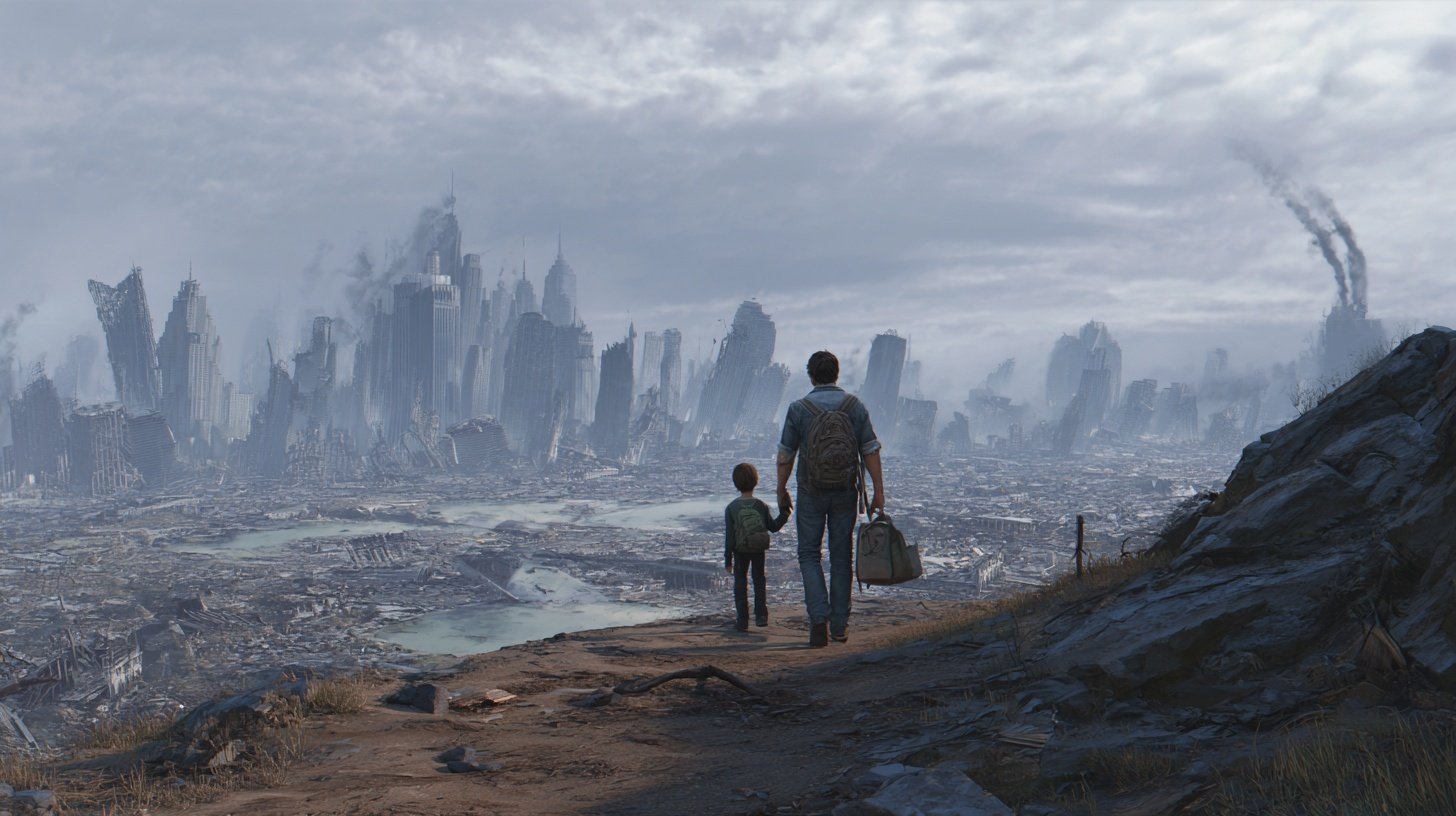
After civilization falls, what comes next? Post-apocalyptic fiction explores survival and rebuilding after catastrophic events. Cormac McCarthy's The Road follows a father and son through a devastated landscape in one of the bleakest visions of the subgenre. Emily St. John Mandel's Station Eleven takes a more hopeful approach, tracking a traveling theater troupe through a world rebuilding twenty years after a pandemic.
Space Exploration
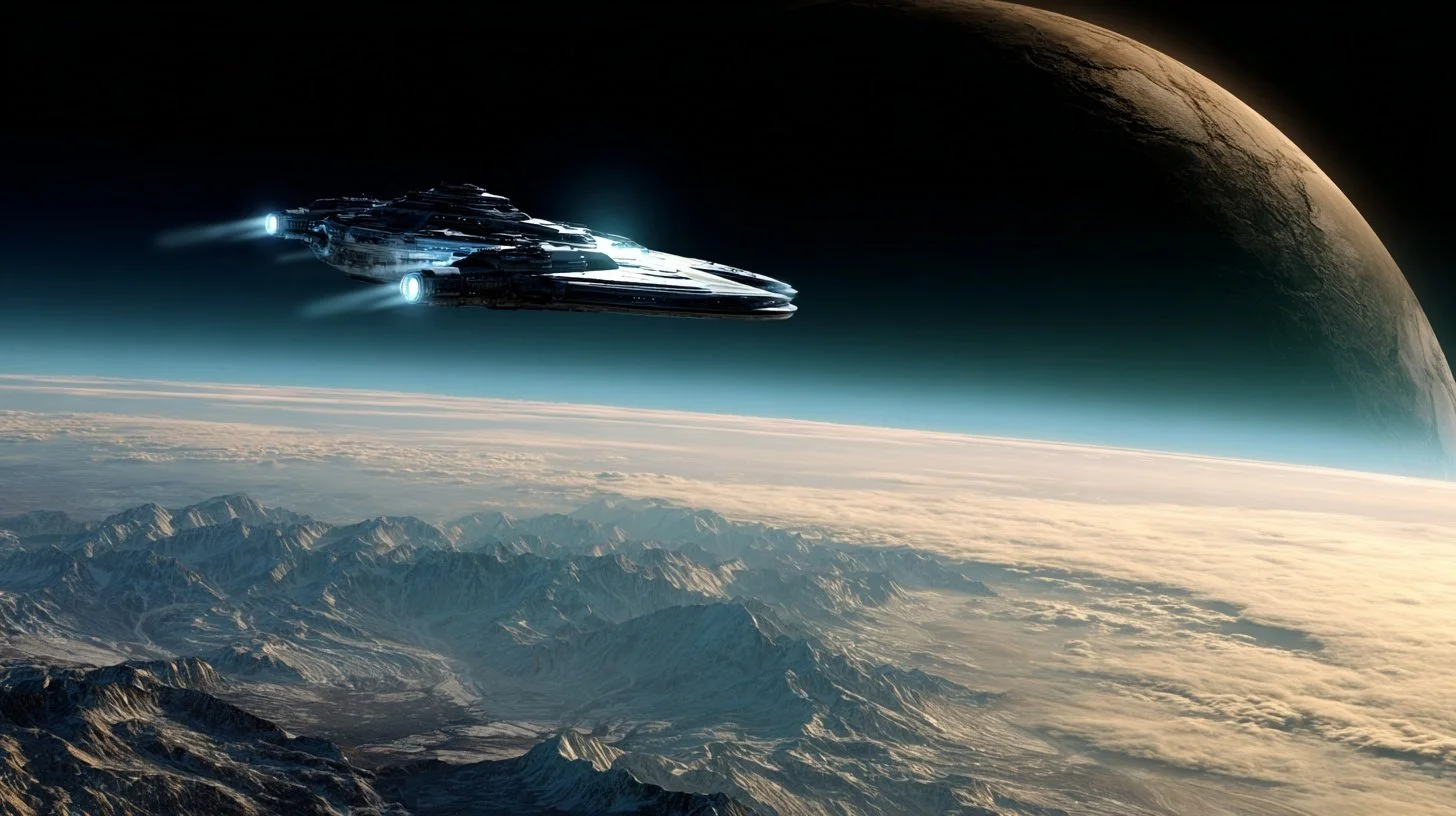
The adventure of venturing into the unknown defines space exploration stories. Arthur C. Clarke's Rendezvous with Rama follows astronauts exploring a massive cylindrical alien spacecraft passing through our solar system. Mary Robinette Kowal's The Calculating Stars launches an alternate history space program driven by urgent necessity after a meteorite strike threatens Earth's habitability.
Space Opera
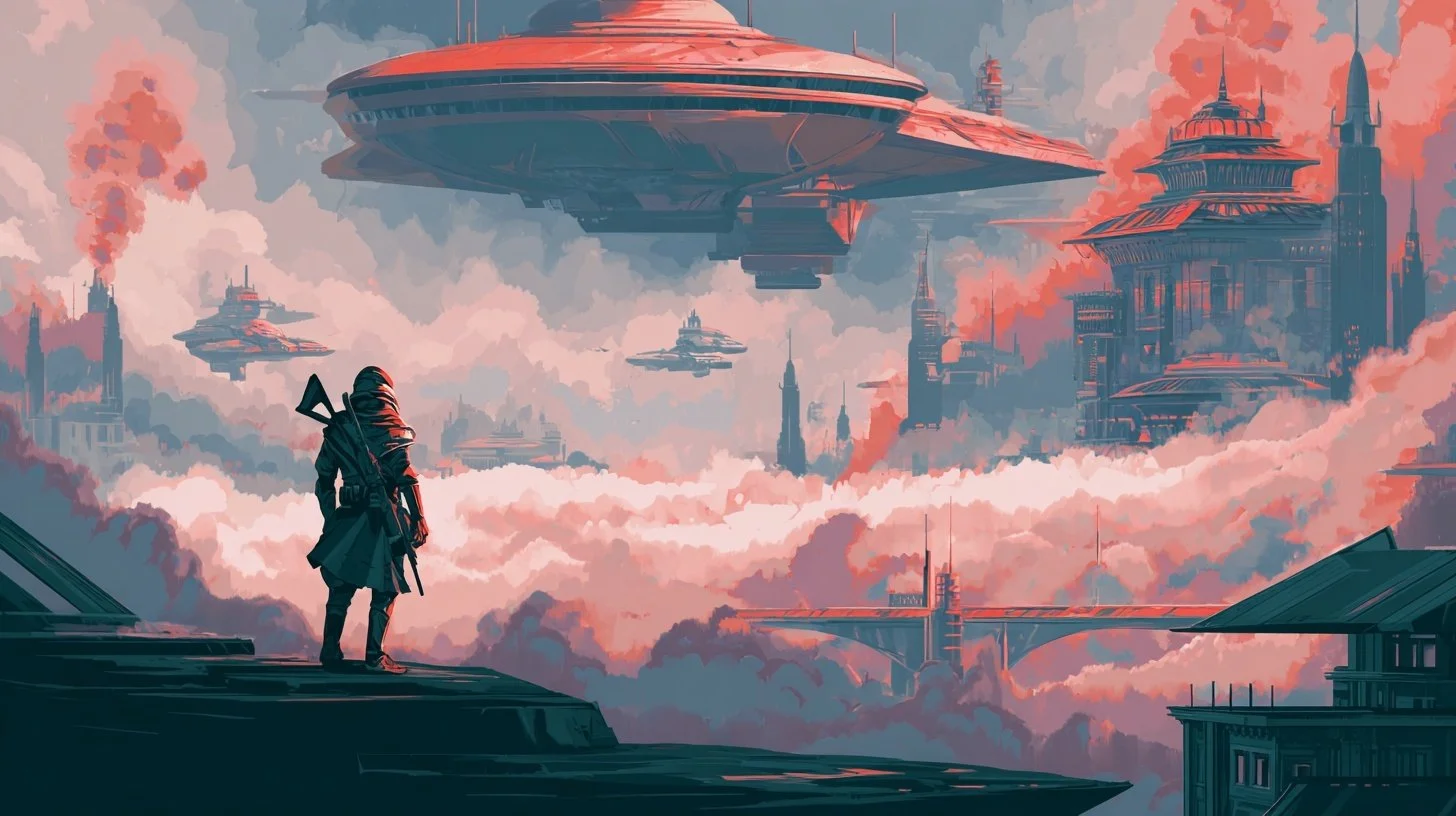
Romantic, sweeping, and adventure-filled, space operas feature grand conflicts played out across the stars with memorable characters and high stakes. If you think about Star Wars and its masterful blend of Fantasy and Sci-Fi elements, you will understand Space Opera. Lois McMaster Bujold's Vorkosigan Saga follows Miles Vorkosigan, a physically disabled nobleman who becomes one of the most capable military leaders in the galaxy through sheer determination and brilliance.
Steampunk
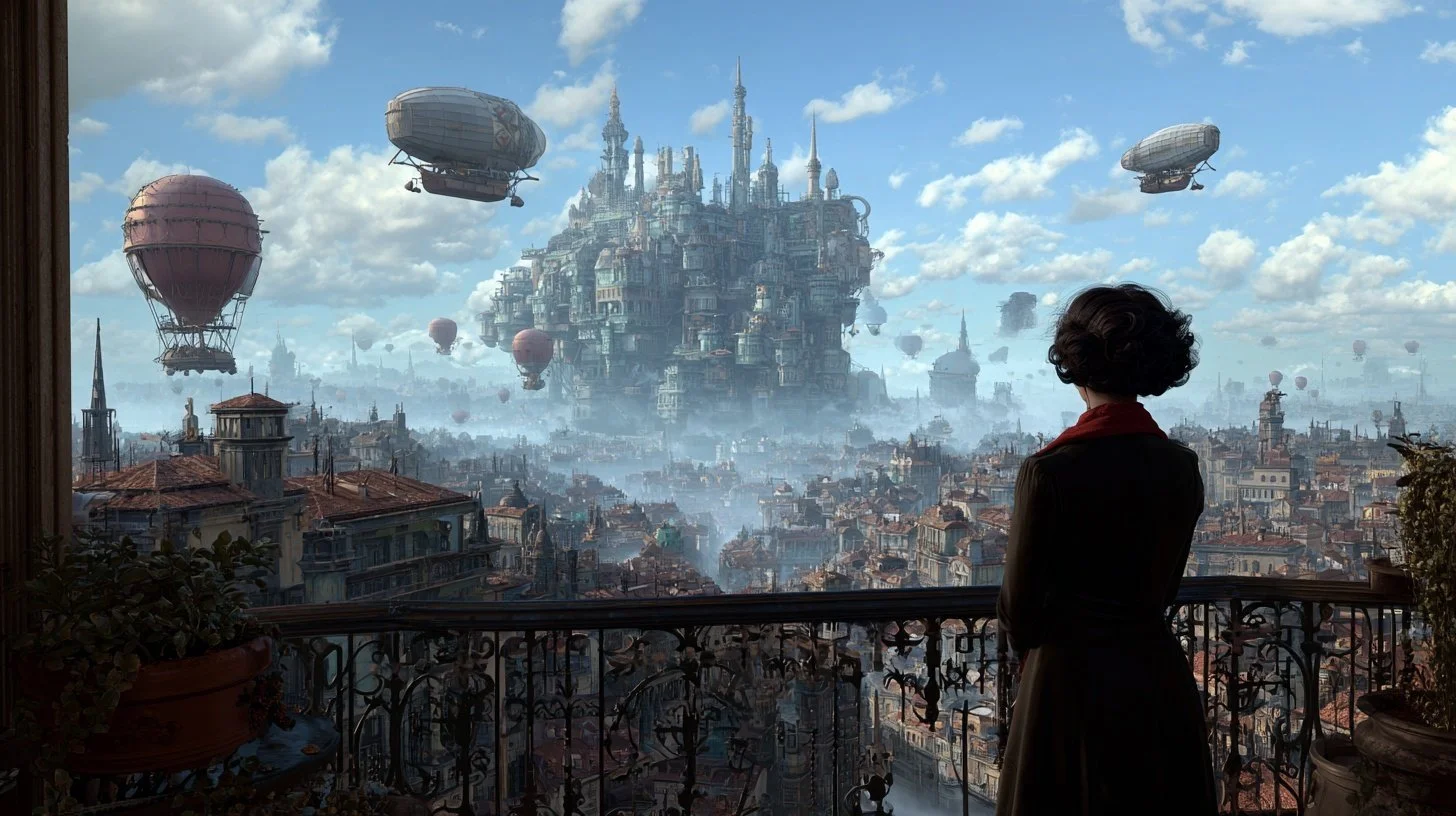
Blending Victorian aesthetics with advanced technology, steampunk reimagines the past with anachronistic inventions powered by steam and clockwork. Cherie Priest's Boneshaker sets its story in an alternate Seattle walled off after a mining accident releases toxic gas, creating a haven for airship pirates and the undead. China Miéville's Perdido Street Station creates the city of New Crobuzon, a grimy, industrial metropolis where steam technology coexists with magic and bizarre alien species.
Finding Your Perfect Subgenre
These categories aren't mutually exclusive—many great science fiction novels blend multiple subgenres. Dune is simultaneously a galactic empire story, a tale of colonization, and a work of genetic engineering. Altered Carbon merges cyberpunk aesthetics with crime fiction. The beauty of these classifications is that they provide starting points for exploration rather than rigid boundaries.
Whether you're drawn to the technical precision of hard science fiction, the philosophical depth of metaphysical works, or the pure excitement of space opera adventure, Amazon's categorization helps readers navigate the vast universe of science fiction and find stories that match their particular tastes. The next time you're browsing for your next read, these subgenre signposts can guide you toward exactly the kind of imaginative journey you're seeking.