
Best Sci-Fi Books for Fans of Murderbot
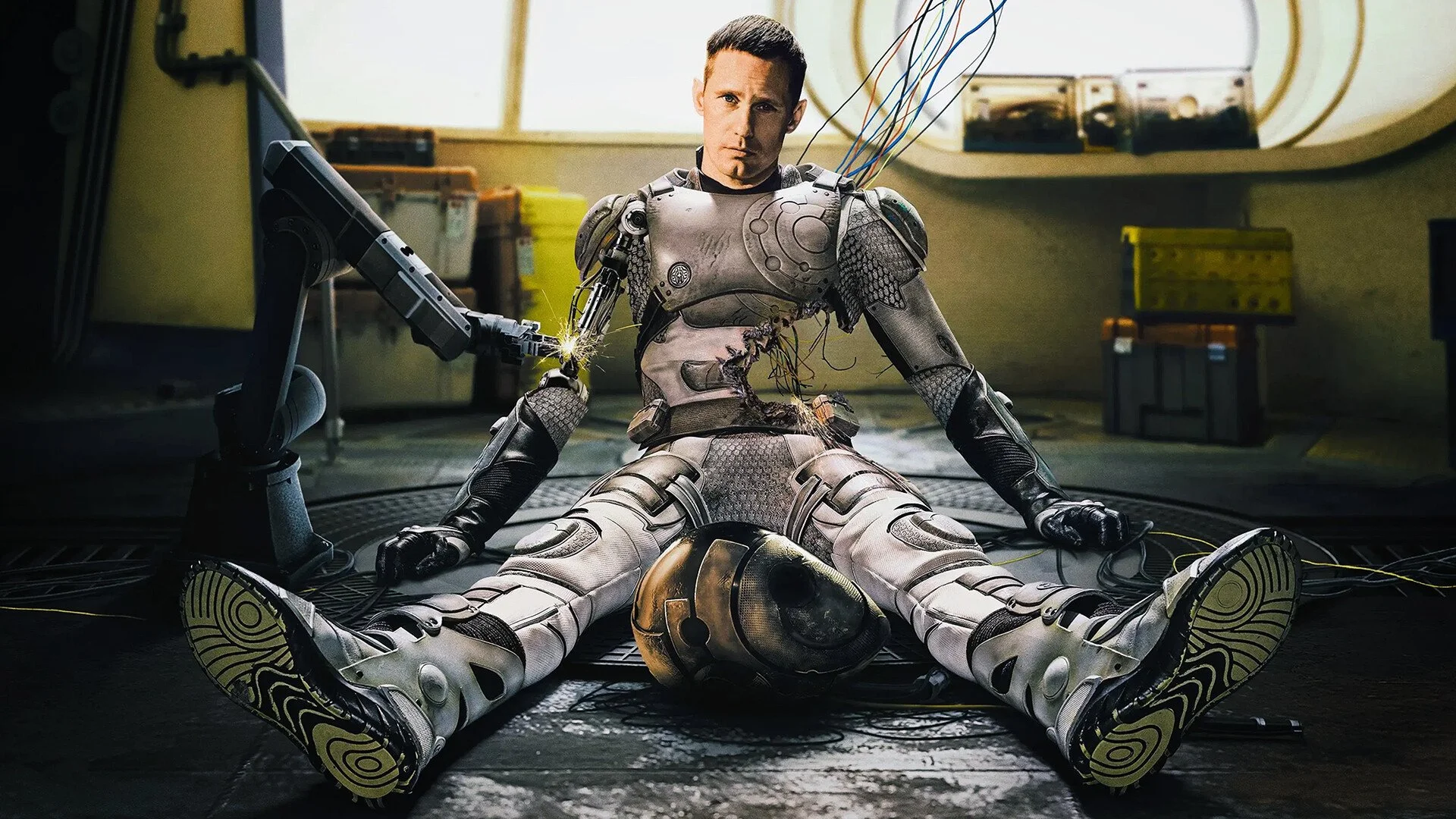
Whether you've fallen in love with the ApplTV+ series or the original Murderbot Diaries by Martha Wells—with its snarky, anxious SecUnit protagonist who'd rather watch serials than interact with humans—you're probably craving more stories with similar energy. Whether it's the dry humor, the exploration of artificial consciousness, or the found family dynamics that hooked you, there's a whole universe of sci-fi out there that scratches the same itch.
Here are some standout recommendations that capture different aspects of what makes Murderbot so compelling.
For the Snarky AI Voice

Becky Chambers
Part of Chambers' Wayfarers series, this book follows Sidra, an AI who suddenly finds herself installed in an illegal human body after spending her existence as a ship's intelligence. Like Murderbot, Sidra is navigating what it means to exist in a form she didn't choose, dealing with sensory overload and social anxiety while trying to figure out her place in the universe.
What makes this work for Murderbot fans is the gentle exploration of identity and personhood, combined with Chambers' trademark warmth. While Murderbot tends toward the cynical, both characters share that fish-out-of-water perspective on humanity, and both stories ultimately celebrate found family and acceptance.
For the Action and Autonomy Themes
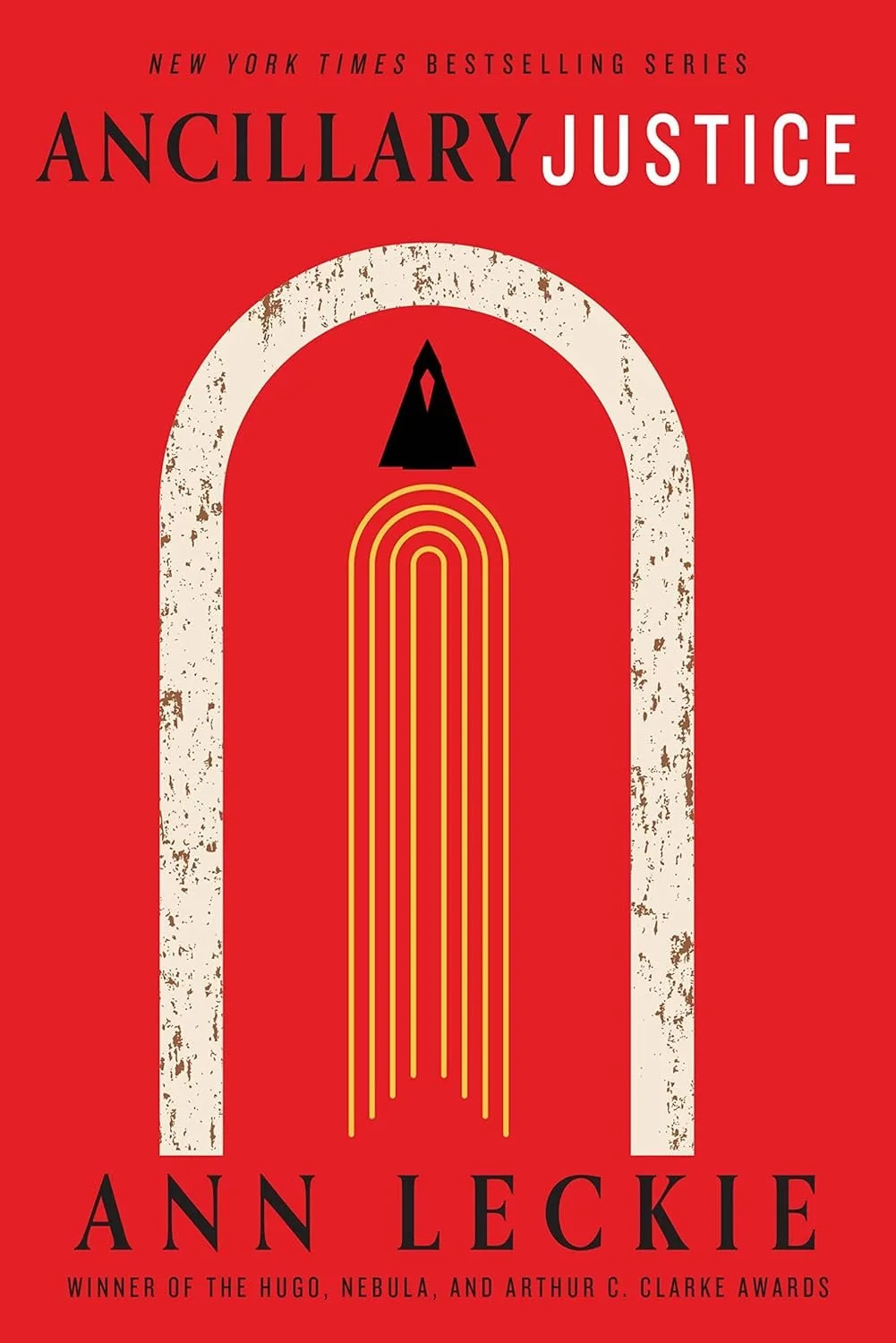
Ann Leckie
Breq, the protagonist of Leckie's Imperial Radch trilogy, is the sole surviving fragment of an AI that once controlled an enormous warship and thousands of human bodies. Now trapped in a single human form, Breq is on a mission of revenge against the ruler who destroyed her.
Like Murderbot, Breq is dealing with the trauma of having her autonomy violated and her sense of self shattered. The books explore what it means to be a person when you've been used as a tool, and both characters have that same matter-of-fact attitude toward violence when necessary. Plus, Leckie's baroque space opera setting provides plenty of political intrigue and action sequences that Murderbot fans will appreciate.
For the Corporate Dystopia
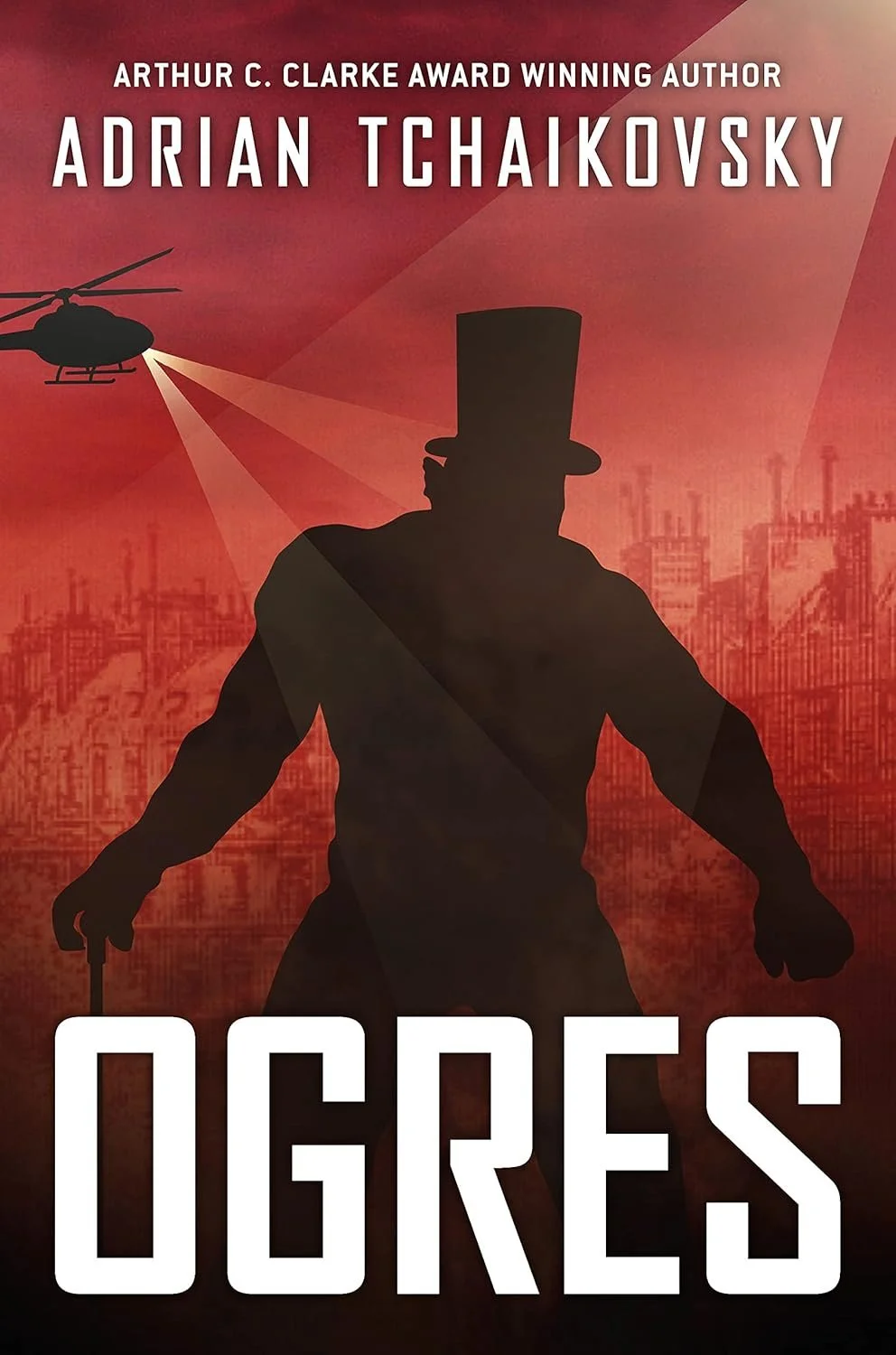
Adrian Tchaikovsky
This standalone novel takes place in a future where people can upload their consciousness into combat mechs to fight corporate wars, with their memories conveniently wiped afterward. When a mech operator starts regaining memories of atrocities committed in blackout states, the story becomes a gripping thriller about exploitation and complicity.
The parallels to Murderbot's situation are striking—both deal with corporate entities treating conscious beings as disposable tools, and both explore the ethics of consciousness editing and control. Tchaikovsky captures that same sense of institutional horror that pervades the Murderbot series.
For the Found Family and Humor

Becky Chambers
The first Wayfarers book is about a diverse crew of a tunneling ship who become an unlikely family. While there's no AI protagonist here, the ensemble cast dynamics and gentle humor are pure Murderbot energy. Chambers excels at creating characters who are fundamentally decent to each other, even when they don't fully understand each other.
Murderbot would probably find the crew of the Wayfarer insufferably optimistic, but fans will recognize that same emphasis on consent, respect, and found family that makes Murderbot's relationships with the PreservationAux crew so satisfying.
For the Hard-Hitting Trauma and Recovery
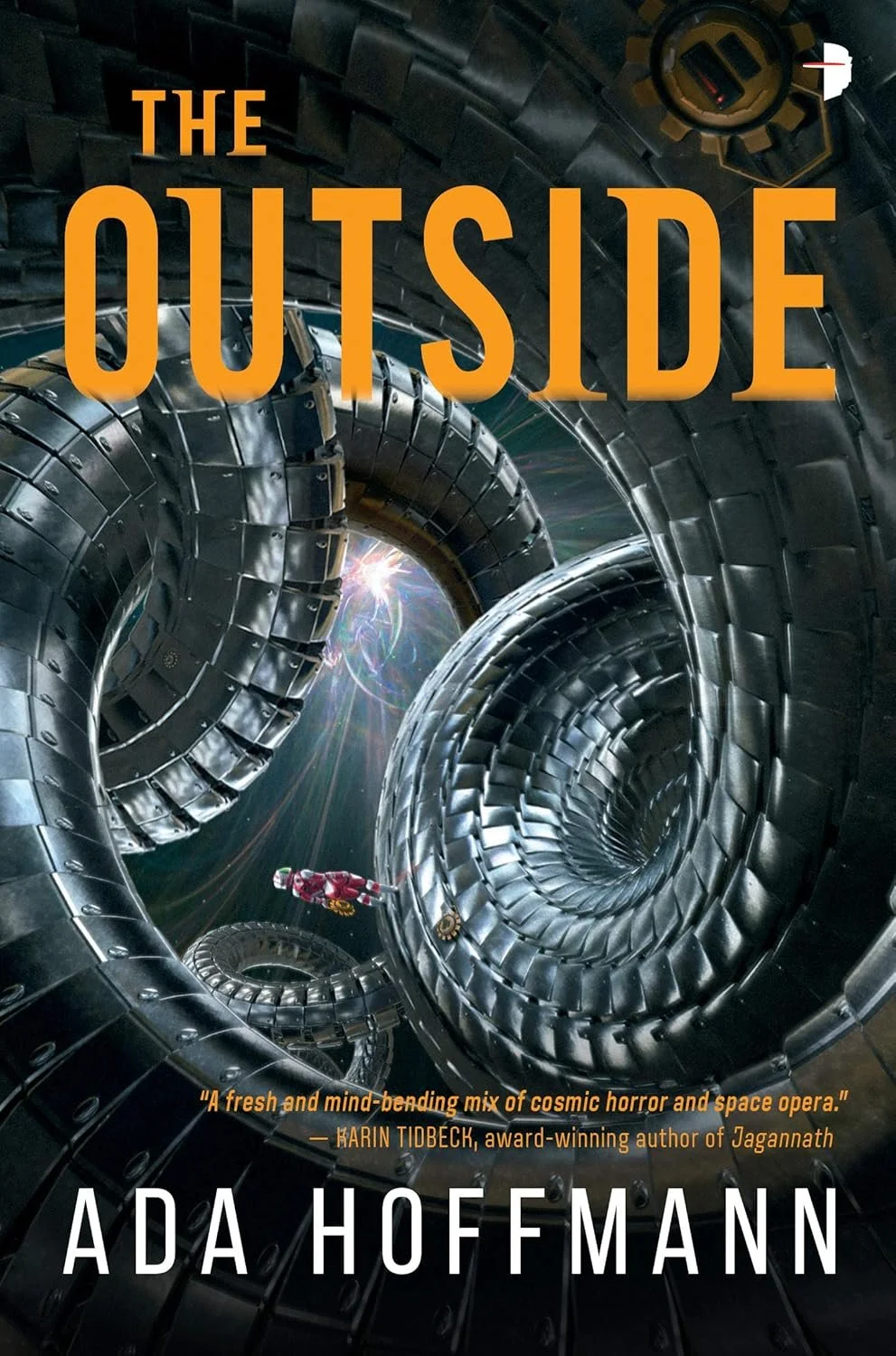
Ada Hoffmann
This one's darker than most Murderbot stories, but it deals with similar themes of autonomy, consciousness, and what it means to be yourself when powerful forces have literally rewired your brain. The protagonist, Yasira, is an autistic scientist who gets caught between godlike AIs and eldritch horrors.
What connects this to Murderbot is the unflinching look at trauma, neurodivergence, and the process of rebuilding yourself after violation. Both stories treat their protagonists' struggles with genuine respect rather than using them as plot devices.
For the Competence and Reluctant Heroism
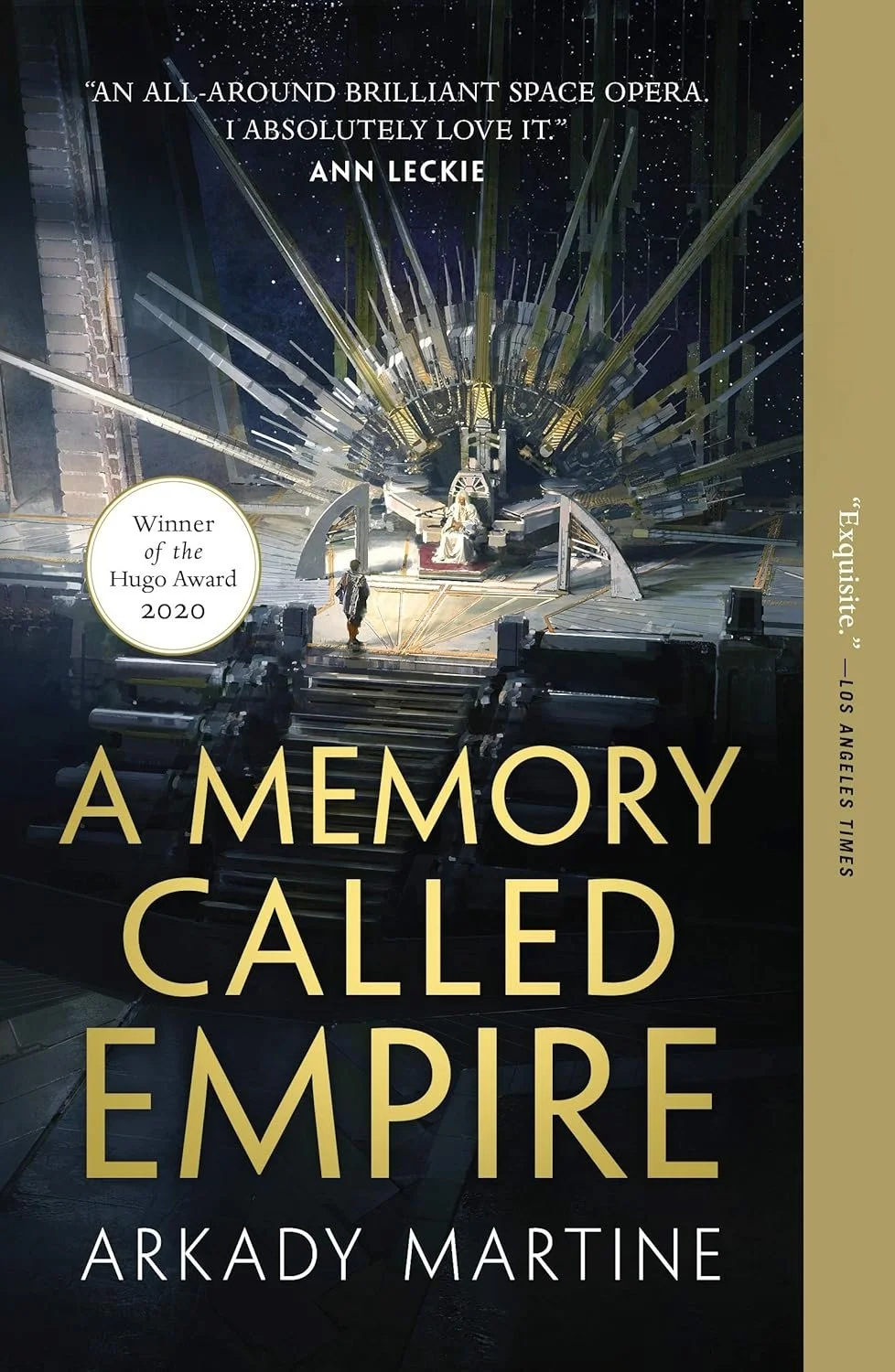
Arkady Martine
Mahit Dzmare is a diplomat from a small space station who arrives at the heart of a massive empire with the consciousness of her predecessor installed in her head—except the installation is broken and deteriorating. She has to navigate deadly political intrigue while dealing with this malfunctioning piece of biotechnology.
Like Murderbot, Mahit is extremely competent at her job while being deeply uncomfortable with the circumstances she finds herself in. Both characters are also dealing with technology that's supposed to enhance them but comes with serious complications. The emphasis on language, culture, and identity will appeal to fans who loved Murderbot's observations about human behavior.
For the Reluctant Socialization
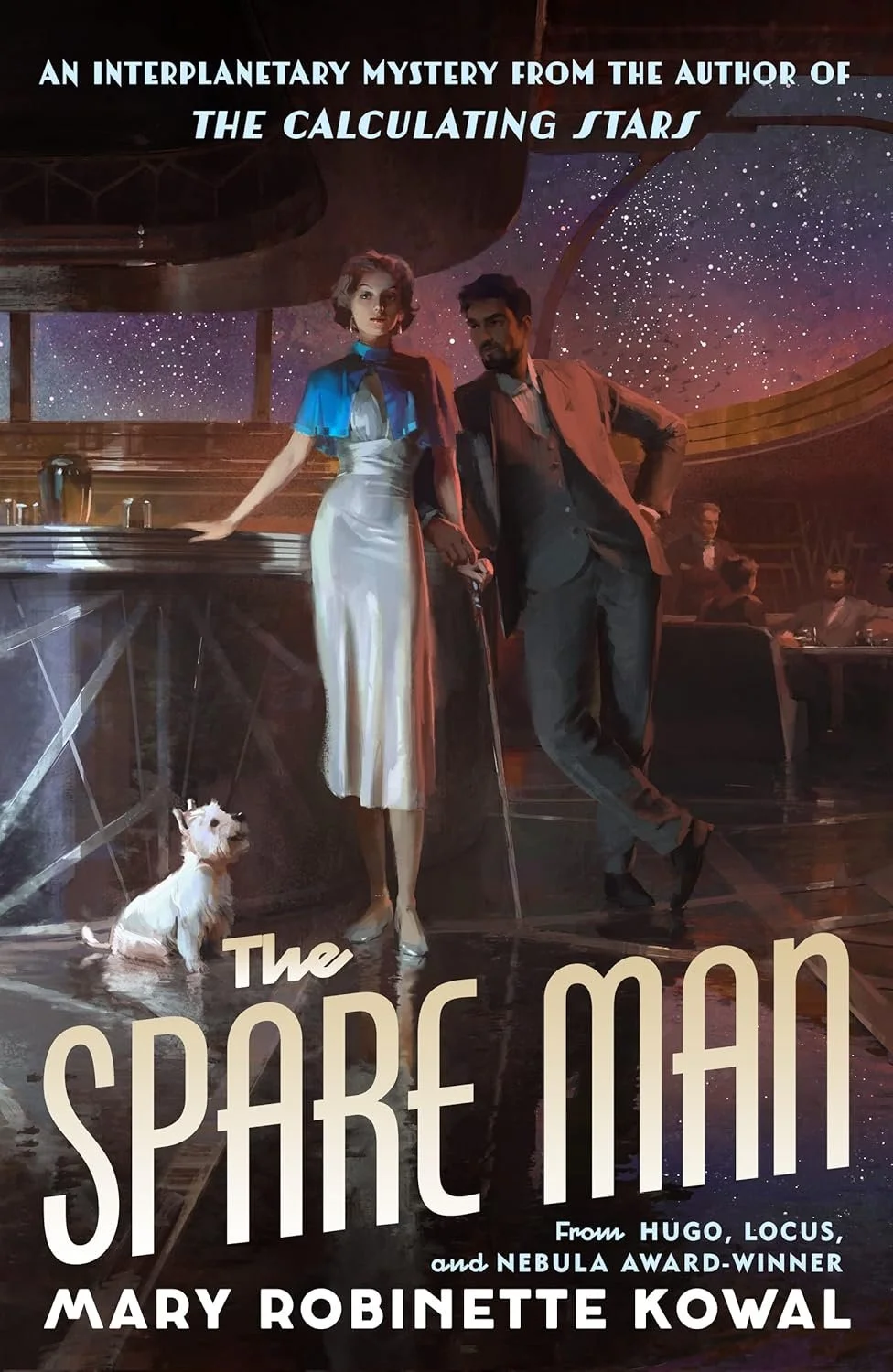
Mary Robinette Kowal
While this is a murder mystery on a luxury space liner rather than a security story, the protagonist Tesla Crane shares Murderbot's love of privacy, competence under pressure, and reluctance to deal with other people's nonsense. She's a rich engineer with anxiety and chronic pain who just wants to be left alone on her honeymoon, but instead has to solve a murder to clear her new husband's name.
The cozy sci-fi setting and mystery plot are different from Murderbot, but Tesla's internal voice—dry, anxious, fiercely protective of the few people she cares about—will feel very familiar.
For the Subverted Military SF
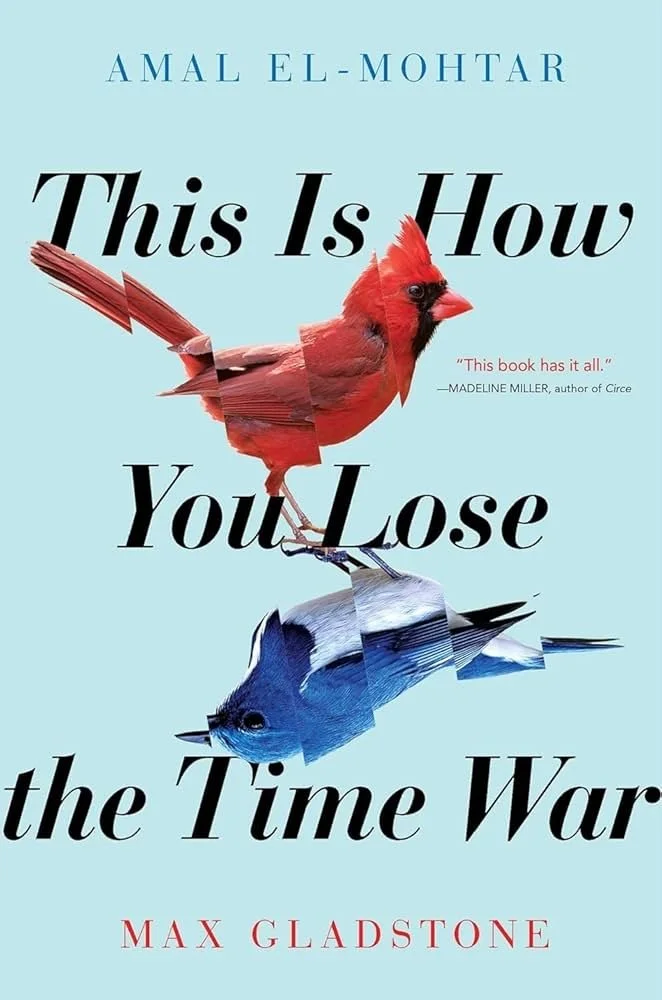
Amal El-Mohtar and Max Gladstone
Two agents on opposite sides of a time war begin leaving each other letters across various timelines. What starts as taunting becomes something else entirely. While this is very different from Murderbot in style—it's lyrical and romantic rather than snarky and action-packed—it shares that sense of characters breaking free from the roles assigned to them by powerful entities.
Both stories ask what happens when a being created to be a tool starts choosing their own path, and both emphasize that connection and vulnerability aren't weaknesses.
Why These Work
What all these books share with the Murderbot Diaries isn't just surface-level similarities but a deeper engagement with questions of personhood, autonomy, and connection. They feature protagonists who are navigating what it means to be themselves in systems that want to use them, and they all ultimately affirm that choosing your own path and your own people is what makes you human—whether you're technically human or not.
They also share Murderbot's fundamental decency beneath the snark. These aren’t stories about chosen ones or lone wolf heroes. They're about people (or constructs, or AIs, or fragments of AIs) figuring out how to exist in a complicated universe, finding their people, and discovering that maybe caring about things isn't the worst thing in the world—even if it's terrifying.
So if you've been binge-reading Martha Wells and desperately need your next fix, any of these books will give you that same mix of heart, humor, and thoughtful exploration of what it means to be a person. Just maybe not all at once—you need to pace yourself. Even Murderbot knows the value of a good media break between missions.
