
The Best Philip K. Dick Movies
Philip K. Dick, the notorious PKD, wrote more than 40 novels and 120 short stories during his lifetime, many of them obsessively asking the same question: What is real? His paranoid, visionary fiction — full of simulated realities, unreliable identities, and authoritarian futures — turned out to be almost perfectly suited for cinema. Hollywood has returned to his work again and again, and while not every adaptation does justice to the source material, the best ones are genuinely haunting. Here are the films that make the strongest case for Dick as the most cinematic sci-fi writer of the 20th century.
Blade Runner (1982)
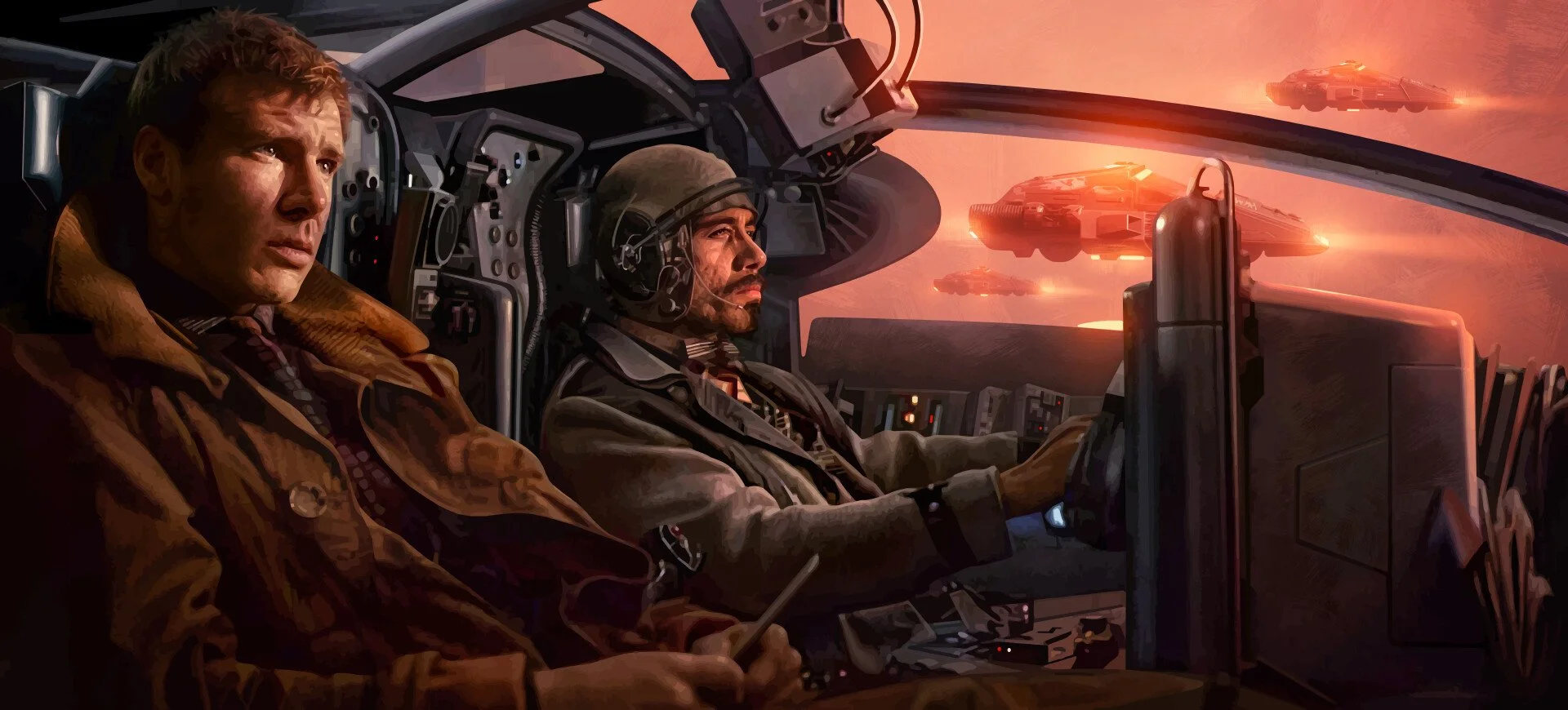
Ridley Scott's adaptation of Do Androids Dream of Electric Sheep? is the gold standard of PKD adaptations — and arguably one of the finest science fiction films ever made. Harrison Ford plays Rick Deckard, a detective hunting down rogue "replicants" (bioengineered humans) in a rain-soaked, neon-drenched Los Angeles of 2019. The film strips away much of the novel's philosophical scaffolding but replaces it with atmosphere so dense you can almost feel the acid rain.
What it captures perfectly is Dick's central anxiety: the impossibility of knowing where humanity ends and artifice begins. Rutger Hauer's final monologue, entirely improvised, is one of the most moving moments in science fiction cinema. The 1982 theatrical cut is a product of its era; the 1992 Director's Cut or the 2007 Final Cut are the versions to watch.
Total Recall (1990)
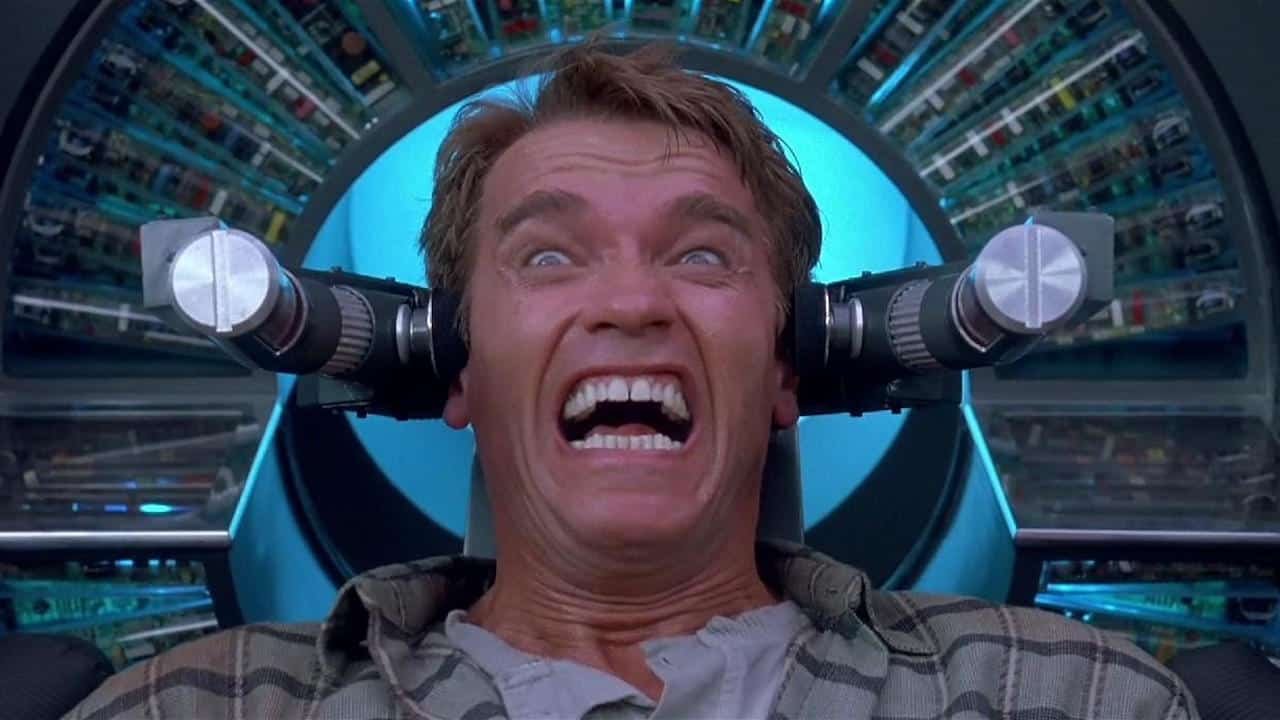
Paul Verhoeven's gleefully violent, darkly funny adaptation of Dick's short story "We Can Remember It for You Wholesale" is the rare blockbuster that actually engages with its source material's ideas. Arnold Schwarzenegger plays Douglas Quaid, an ordinary construction worker who discovers that his entire life may be a fabricated memory implanted by a corporation — or maybe it isn't. Maybe that is the implanted memory.
Verhoeven never resolves the ambiguity, which is the most Dickian thing about the film. Is it a spy thriller? A dream sequence? A corporate product malfunction? Total Recall is loud, bloody, and unapologetically pulpy, but beneath the action spectacle is a genuinely disorienting meditation on the nature of identity. The 2012 remake, in contrast, is best forgotten.

A Scanner Darkly (2006)
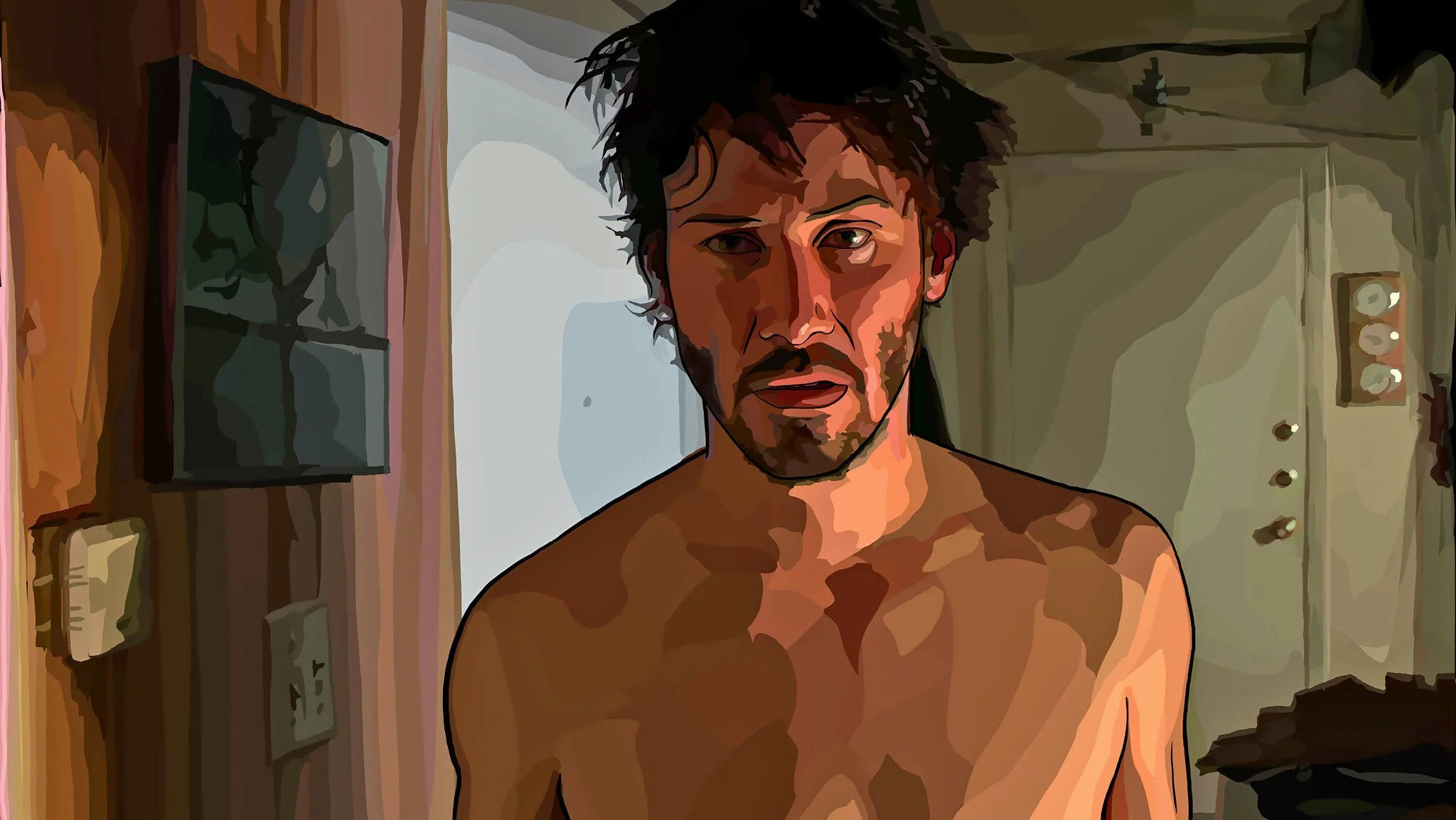
Richard Linklater's rotoscoped adaptation of Dick's most autobiographical novel is perhaps the most faithful PKD film ever made — in spirit if not always in detail. Keanu Reeves plays an undercover narcotics agent who has become so deep undercover, and so addicted to the drug he's investigating, that he has lost track of which identity is his real one. He is surveilling himself without knowing it.
The rotoscope animation (actors were filmed, then their footage was painted over frame by frame) creates a visual language perfectly suited to Dick's themes: everything looks slightly wrong, slightly unstable, like a dream that almost makes sense. The film is also genuinely sad — Dick dedicated the novel to friends he lost to drug addiction, and that grief is present throughout.
Minority Report (2002)
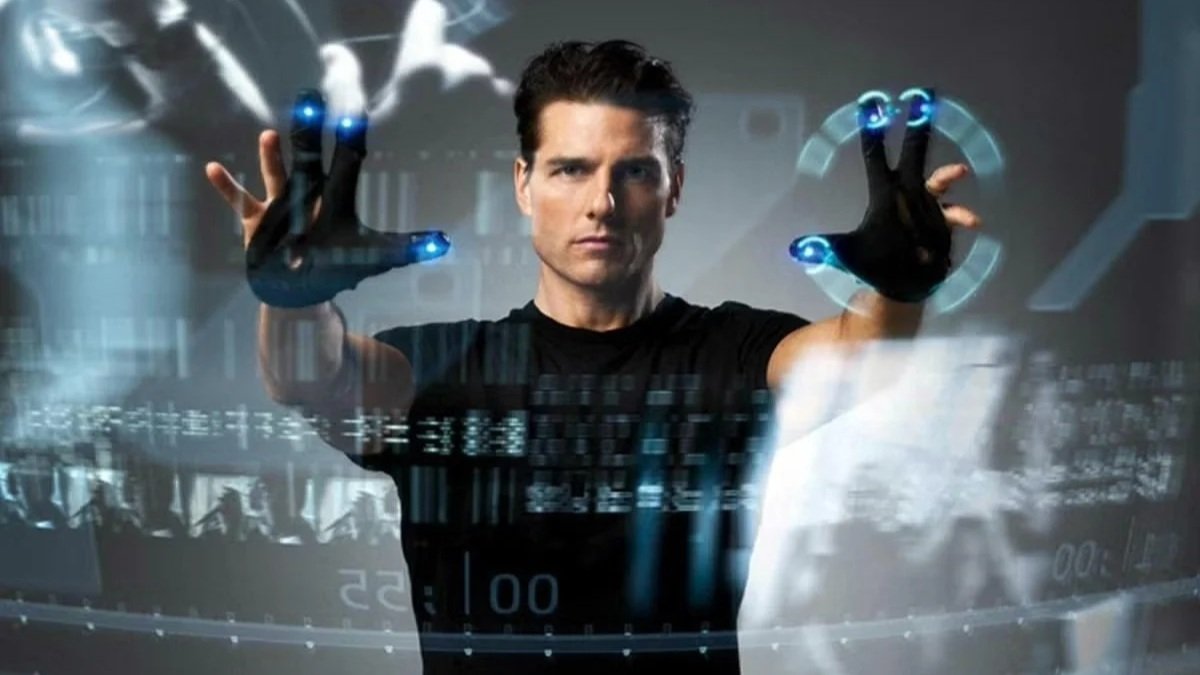
Steven Spielberg's adaptation of Dick's short story about "precrime" — a police program that arrests people for murders they haven't committed yet — is one of his most visually inventive films and one of the more underrated entries in his filmography. Tom Cruise plays a precrime officer who becomes the system's own target.
Where Spielberg departs from Dick most significantly is in tone: this is a thriller with hope at its center, while Dick's original story was bleaker and more ambiguous. But the central idea — the injustice of punishing intention, the impossibility of free will in a deterministic system — is presented with unusual intelligence for a summer blockbuster. The film's production design remains visionary, and its questions about surveillance and predictive policing feel more relevant today than they did in 2002.
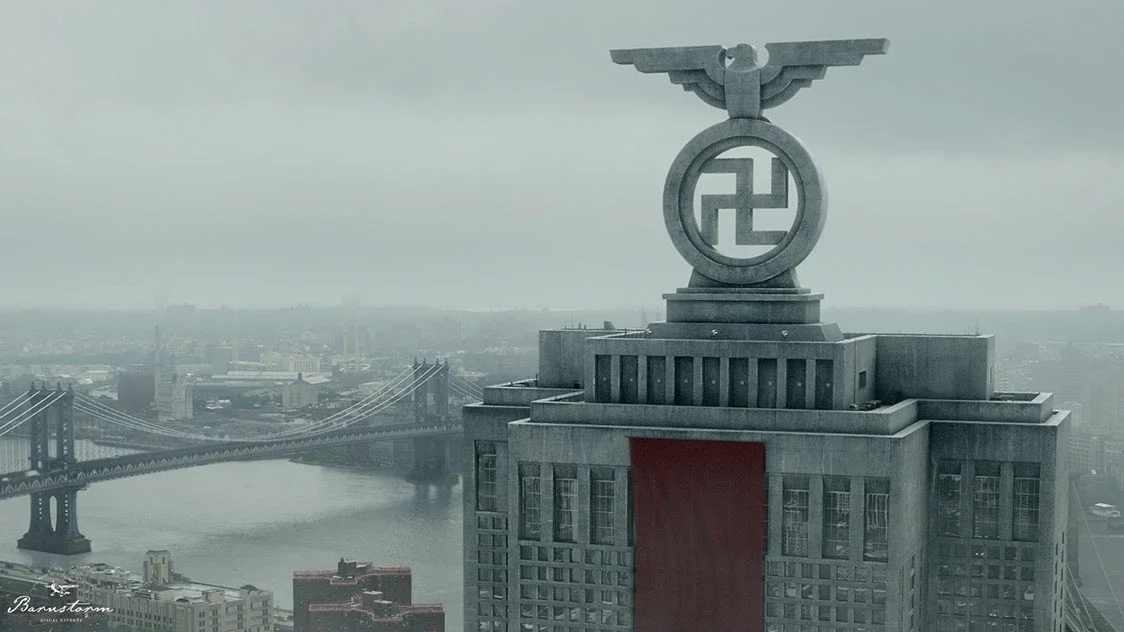
The Man in the High Castle (TV Series, 2015–2019)
Technically a television series rather than a film, the Amazon adaptation of Dick's alternate-history novel deserves mention for its ambition and its faithfulness to the novel's most unsettling premise: what if the Axis powers had won World War II? The United States is divided between a Japanese Pacific States and a Nazi-controlled East Coast, and a mysterious film reel seems to show a world where things went differently.
The show runs four seasons and is uneven, but at its best it captures Dick's exploration of how ideology colonizes consciousness — how people adapt to authoritarian normality, how resistance forms and fails, and how the existence of other possible worlds can itself be a dangerous idea.
Honorable Mentions
Screamers (1995) — a low-budget Canadian adaptation of Dick's story "Second Variety" that is better than it has any right to be, with genuinely eerie ideas about autonomous weapons evolving beyond their programming.
Paycheck (2003) — John Woo directs Ben Affleck in an adaptation of a Dick short story about a man who voluntarily erases his own memory. It's slick and disposable but moves quickly.
Next (2007) — Nicolas Cage plays a man who can see two minutes into the future. Loosely based on "The Golden Man." It is chaotic and not particularly Dickian, but Cage fans may find it rewarding.
What Makes a Good PKD Adaptation?
The films that work best are the ones that understand what Dick's fiction is really about: not robots or space travel, but the fragility of consensus reality and the terror of not knowing whether you can trust your own perceptions. The worst adaptations treat his stories as mere plot scaffolding for action sequences, discarding the philosophical vertigo that makes the source material compelling.
Dick himself lived in a state of sustained ontological uncertainty — he spent years recording thousands of pages of notes trying to understand a mystical experience he had in 1974 — and his best fiction transmits that uncertainty directly into the reader. When a film manages to do the same thing, it doesn't matter how far it strays from the original text. You feel, for a moment, like you can't quite trust the world you're sitting in. That's the real Philip K. Dick experience.
This post contains affiliate links. I may earn a commission at no extra cost to you.
