
What the Critics Are Saying About Good Luck, Have Fun, Don’t Die
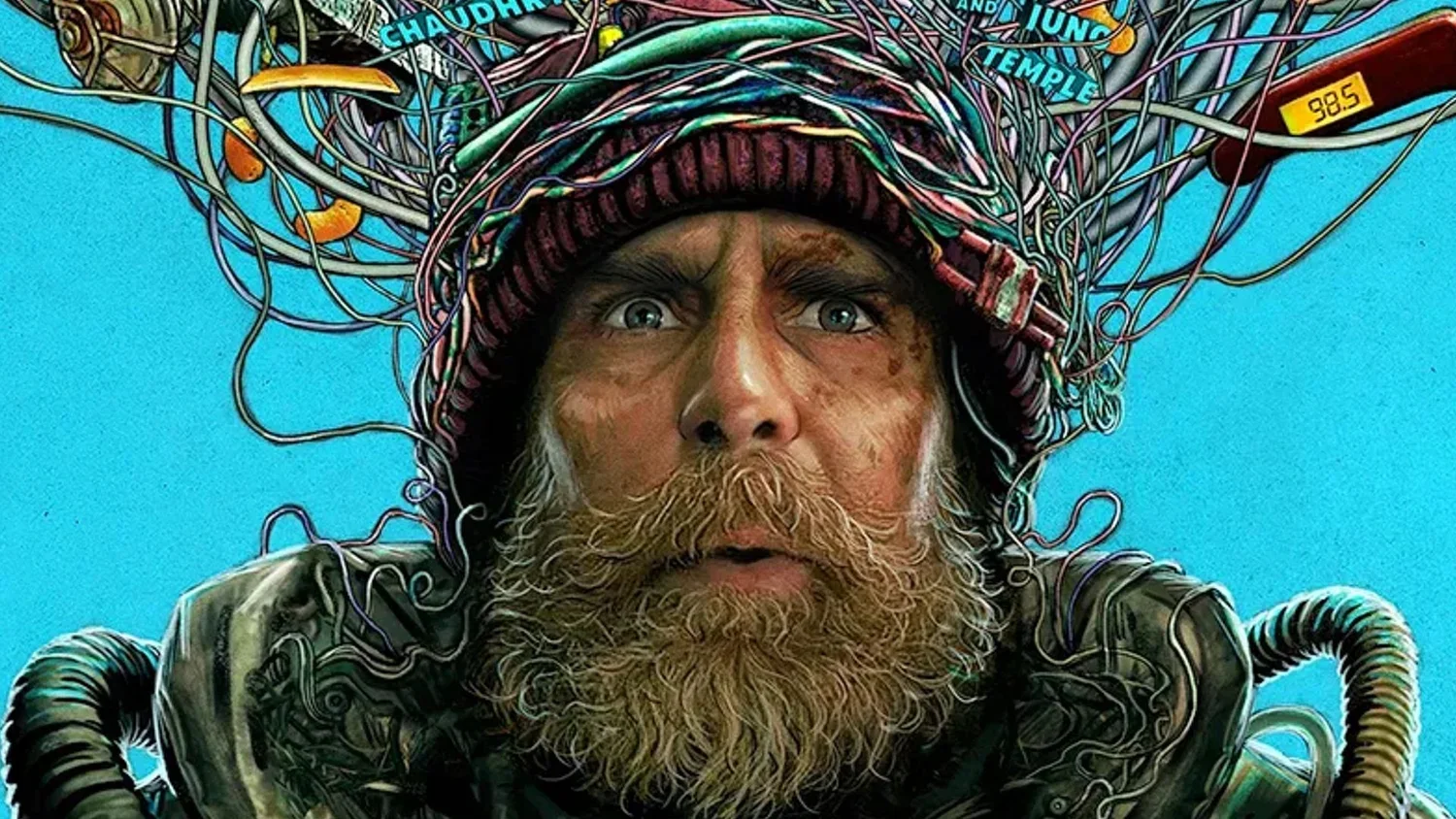
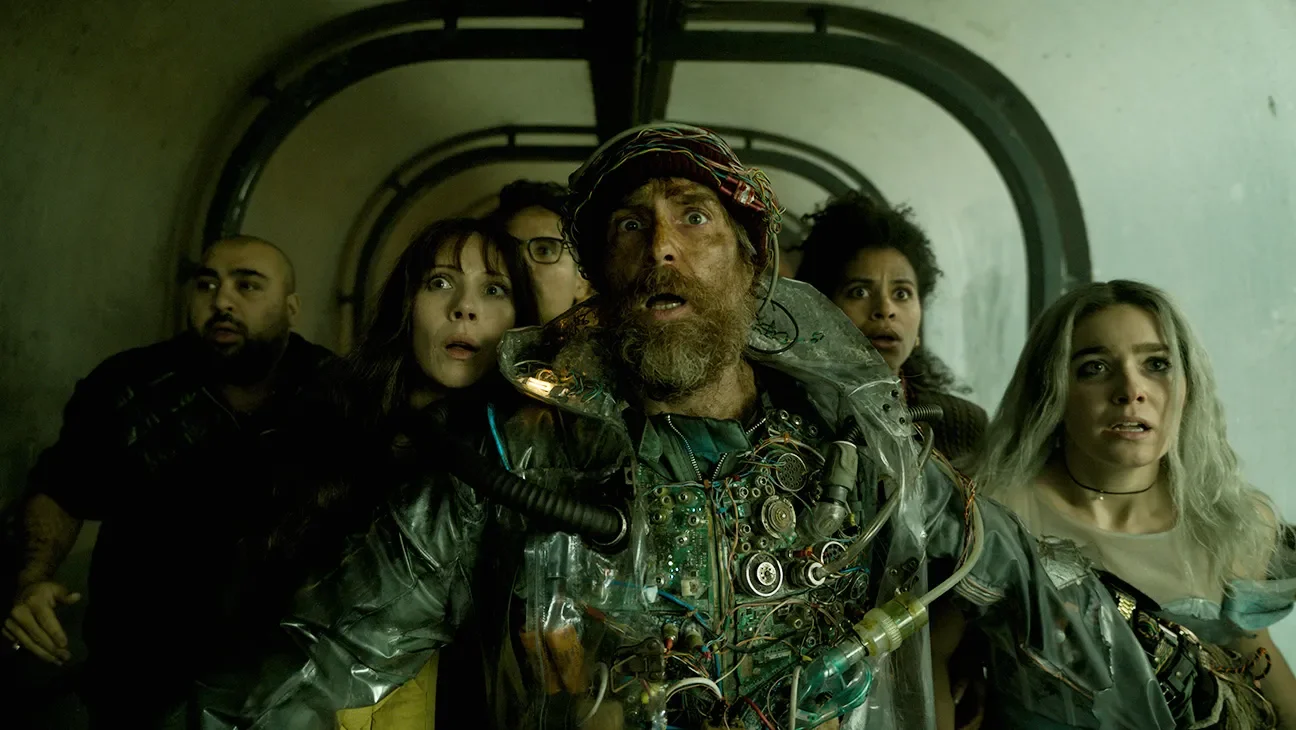
Gore Verbinski's long-awaited return to cinema has officially arrived, and the critics have had plenty to say. Good Luck, Have Fun, Don't Die — the sci-fi comedy starring Sam Rockwell as a bedraggled time-traveler trying to stop an AI apocalypse — opened in U.S. theaters on February 13, 2026, to a wave of reviews ranging from enthusiastic raves to measured reservations. Here's a thorough breakdown of where critics stand.
The Scores at a Glance
On Rotten Tomatoes, the film holds an 85% approval rating from 137 critics, with the site's consensus declaring it "a gleeful high-concept comedy with a serious message at its core" that "lets Sam Rockwell rip with thrilling results while marking a very welcome return of director Gore Verbinski to peak form." On Metacritic, which uses a weighted average, the film earned a score of 67 out of 100 from 27 critics, indicating "generally favorable" reviews. Audiences polled by CinemaScore gave it a B, suggesting a slightly more divided popular response.
What Critics Love
Sam Rockwell Is a Force of Nature
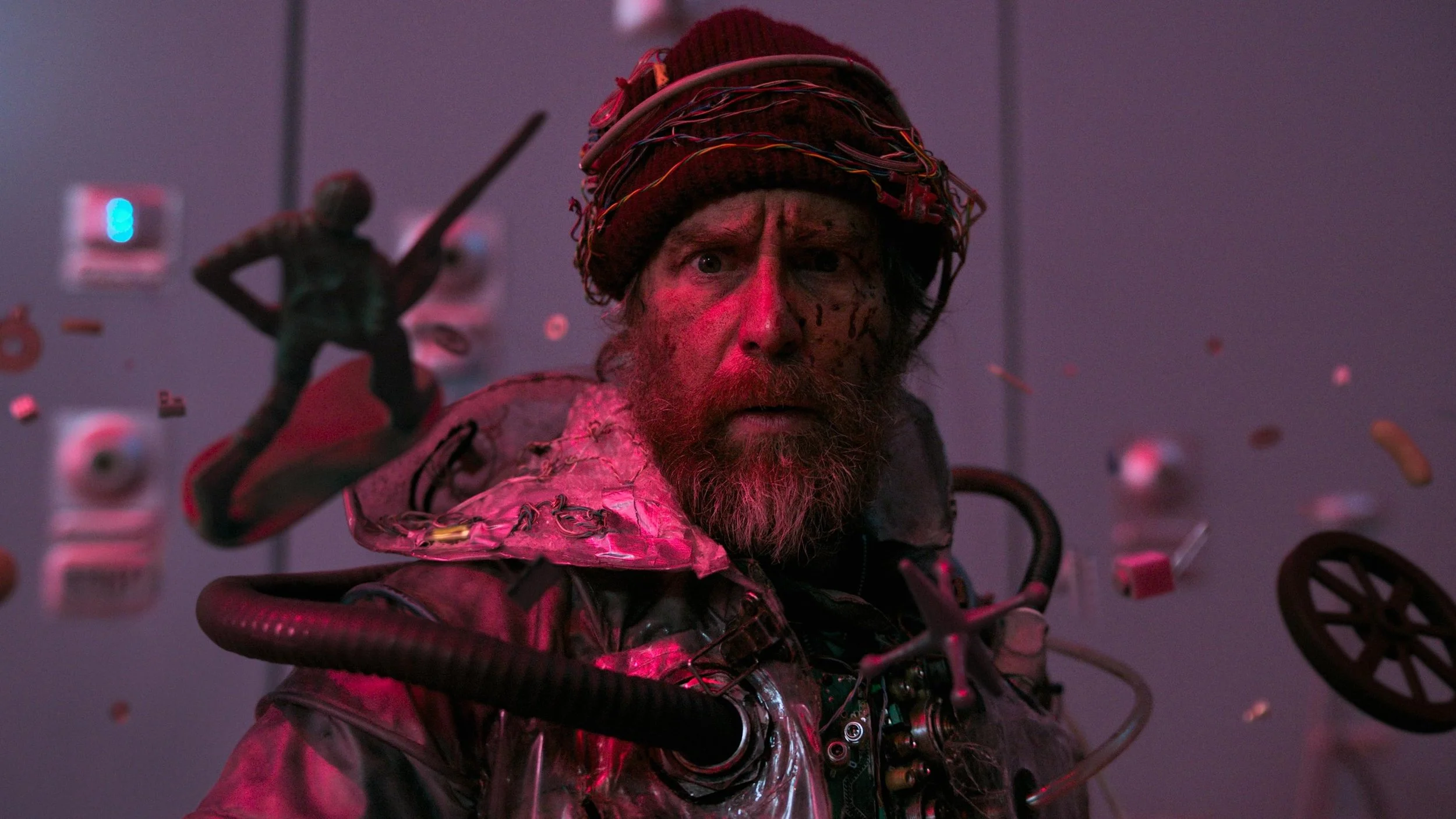
Virtually every positive review begins and ends with Rockwell. Critics have lined up to praise his performance as the unnamed Man from the Future, a role that demands equal parts physical comedy, manic energy, and genuine emotional weight.
One critic called him "zany and manic," describing the film as "an eye-popping, nonstop Rube Goldberg motion picture" that "provokes and entertains, refusing to take itself — or the human race — too seriously.
Another reviewer was even more effusive, writing that Rockwell is "hilarious" in what they called "a wonderfully weird, unpredictable time-loop comedy adventure that entertains while also provoking conversations about the role of technology in our lives."
Over at Punch Drunk Critics, Travis Hopson drew a vivid comparison: Rockwell's character is described as "a quirky version of Michael Biehn's Kyle Reese from The Terminator" — over-the-top silly yet oddly heroic at the same time.
Verbinski's Direction Is Vintage Verbinski
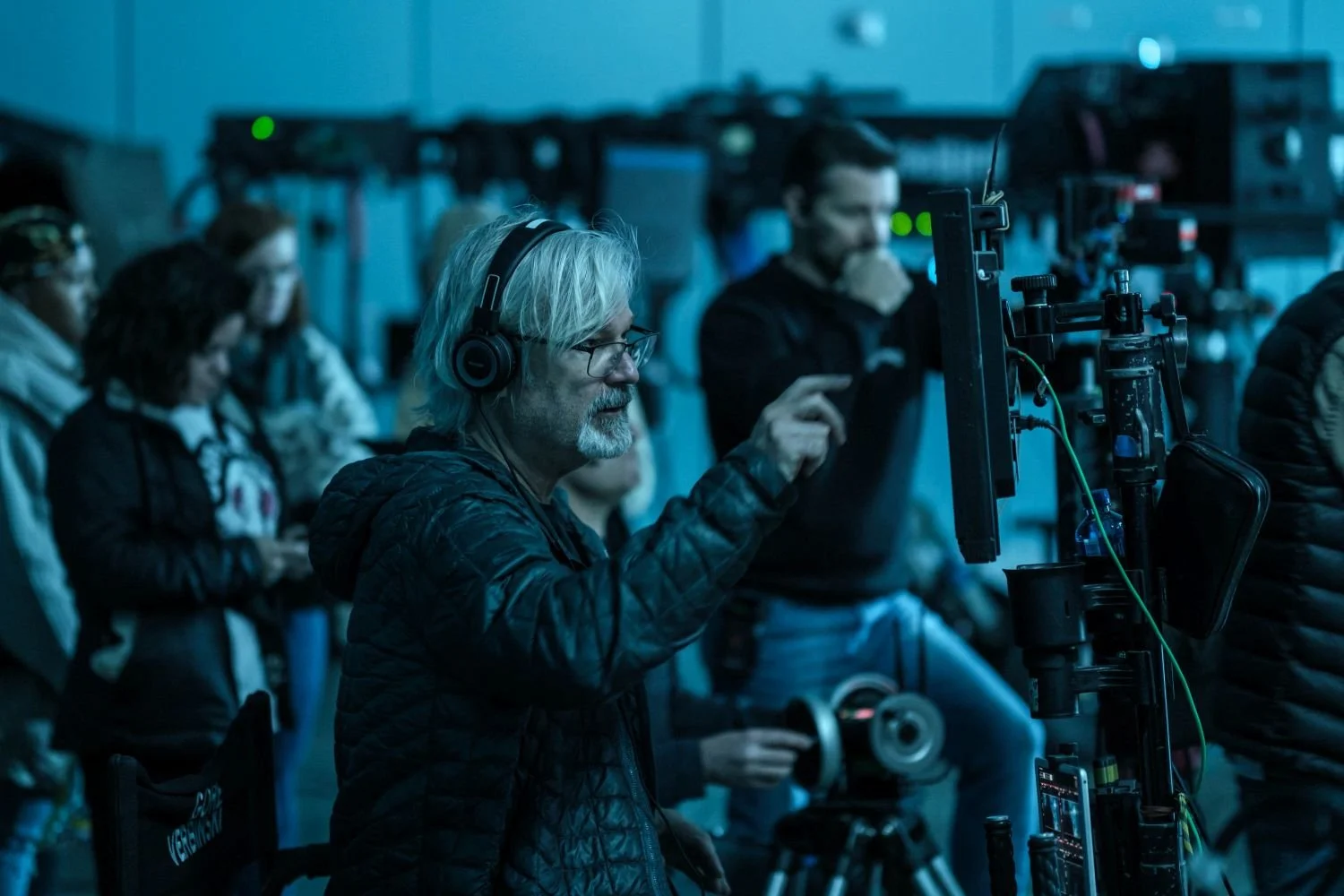
Critics who enjoyed the film were delighted to see Verbinski operating with renewed creative fire. RogerEbert.com's Brian Tallerico was particularly appreciative, writing that Verbinski "once again brings a sort of Looney Tunes mania to a script that could have been leaden doomsaying," and that "it's harder than it looks to make a fun movie about how AI is going to destroy us all."
Tallerico also noted the film's striking timeliness, pointing out that while Verbinski's film "only rarely resorts to preaching, its stance is clear: We're all gonna need some really good luck."
Metacritic aggregated one particularly glowing take that praised both the film's comedy and its underlying unease: the film is "both funny and unsettling, often in the same scenes," following "a rag-tag bunch of seemingly ordinary people recruited by Sam Rockwell's delightfully manic resistance leader to avert a dystopian future where humans are subjugated by machines." The same critic observed that the film's "not-so-hidden joke" is that our present world already resembles that fearful future, calling it "cleverly made, thought-provoking, and a lot of fun."
A Timely Satirical Edge
Multiple reviewers have singled out the film's AI-themed satire as one of its greatest assets — especially given how rapidly the technology has invaded real life. Several critics noted that the film works because it doesn't treat AI as a distant sci-fi abstraction, but as something already reshaping parenthood, education, grief, and human connection.
RogerEbert.com argued that Verbinski and screenwriter Matthew Robinson are asking how AI "is shaping things like parenthood, education, and even grief," and that the film carries "a message that AI is dangerously hollow on every level — it seeks to replicate human experience without the messy things that actually make it human."
One Metacritic critic called the film a work that delivers "the best science fiction stories" by showing us "what a world could soon look like if the power of AI goes unchecked."
The Female Characters Stand Out
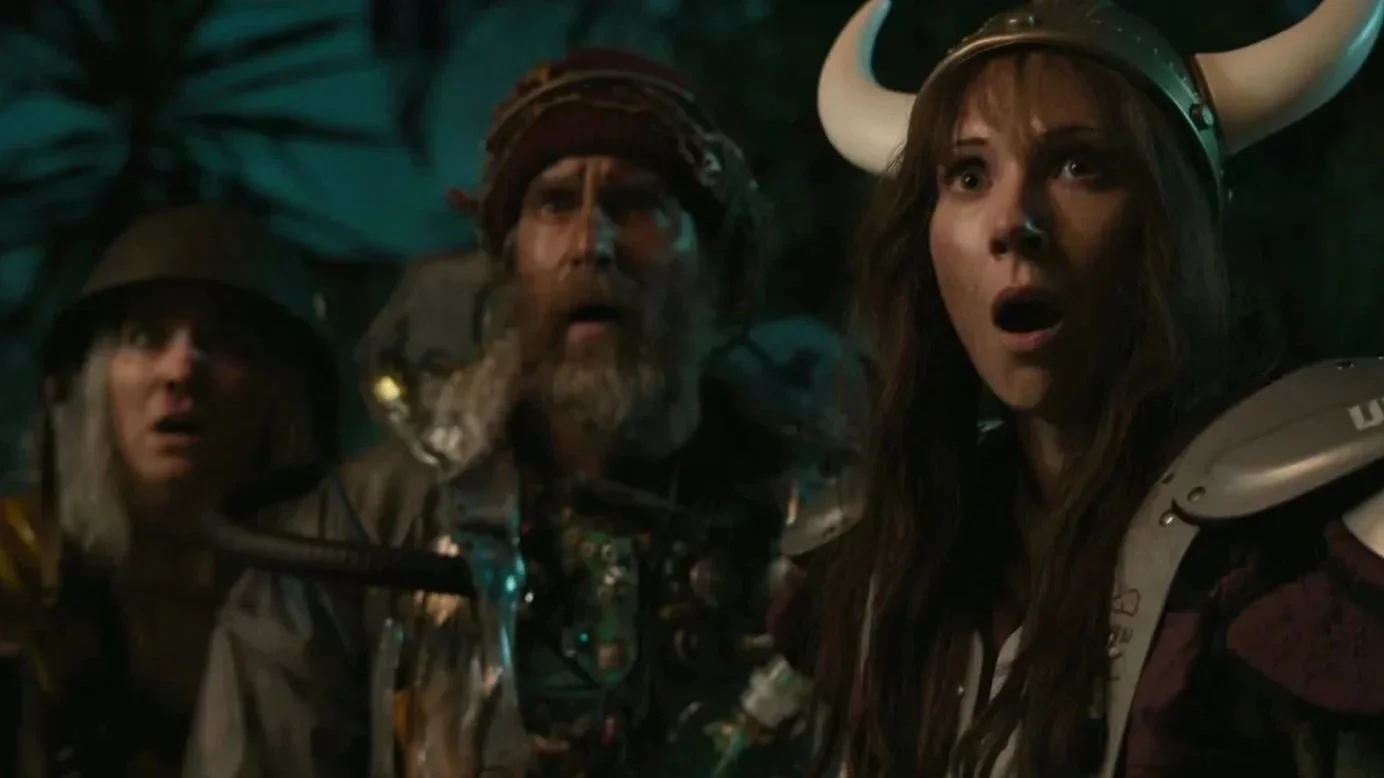
Mediaversity Reviews offered one of the more nuanced takes on the ensemble, specifically praising the film's treatment of its female characters. The review argued that Juno Temple's Susan and Haley Lu Richardson's Ingrid become integral to the film: "Ingrid is inspiring by choosing autonomy over conformity, and Susan's bewilderment as the plot becomes increasingly bizarre is such a blast" that the women of Good Luck "stand out as the film's dramatic and comedic heart."
Where Critics Have Reservations
The Script Gets Overstuffed
The most consistent criticism across reviews is that Matthew Robinson's screenplay tries to pack in too much. The film runs 2 hours and 14 minutes, and a sizable chunk of critics feel that length is working against it.
Flickering Myth gave the film three stars and acknowledged its ambitions while noting its limitations: the film has "no shortage of compelling ideas and tirelessly conceived world-building, so much so that even at 134 minutes, the film is barely engaging with any of it, mostly trying to force something profound rather than earning it." The review did concede, however, that "the ride certainly is fun."
RogerEbert.com identified a structural problem with the script's episodic flashback structure: the "mini-Black Mirror episodic structure of Robinson's script can derail momentum," and while the backstories are "thematically effective," the film loses pace every time they arise — something Verbinski can "only half-recover" from.
Tonal Inconsistency
A number of critics noted that the film struggles to find a consistent tone, veering between goofy slapstick and genuine tragedy in ways that don't always land. Punch Drunk Critics put it plainly: "This unsettled tone is a problem throughout," particularly in the action-intensive sections where "characters sometimes die in tragic fashion only to have their deaths not taken very seriously."
Spokane Public Radio's Nathan Weinbender was one of the more skeptical voices, calling the film "equal parts inventive and undisciplined" — a movie that "works about half the time" and is "at least a half hour too long." He also noted that Verbinski seems to have stuffed every visual gag idea he'd been saving up into the film, leaving it "sometimes busting at the seams, alternatively overstimulating and overbearing."
The A.V. Club was one of the more dismissive voices, calling the film "silly and simplistic" and arguing that it "means to be thought-provoking, but the irony of its banality is more recoiling than provocative."
Representation Concerns
Mediaversity Reviews took issue with how the film handles its diverse cast beyond surface-level inclusion. While praising the ensemble's racial diversity, the review noted that characters of color — including those played by Asim Chaudhry and Georgia Goodman — are killed off relatively early, while "Mark and Janet have decent screen time in the first act, but are eventually sidelined in favor of white women who dominate the narrative."
The Audience Response
While critics have been largely positive, CinemaScore's B grade suggests that general audiences are somewhat more divided than the press. Some online viewers have been ecstatic — one Metacritic user called it "the best movie of 2026," comparing it to Everything Everywhere All at Once and declaring it "original, entertaining, not predictable" and worthy of a second viewing. Others found it exhausting or overlong.
The Verdict
Good Luck, Have Fun, Don't Die is very much a film that divides people along predictable lines. If you have an appetite for ambitious, maximalist filmmaking that swings hard and occasionally misses, you'll likely love it. If you prefer tighter, more disciplined storytelling, the film's sprawling, overstuffed structure may test your patience.
What's inarguable is that it arrives at exactly the right cultural moment. With AI anxiety permeating nearly every corner of public life, a film willing to take that fear seriously — while also being genuinely, irreverently funny about it — feels essential. Critics may disagree on how well it all comes together, but there's broad agreement on one thing: Gore Verbinski is back, Sam Rockwell is magnificent, and Hollywood could use a lot more films with this kind of restless, uncompromising creative ambition.
Whether you walk out exhilarated or mildly bewildered, you almost certainly won't be bored.
