
The Best Sci-Fi Movies of All Time
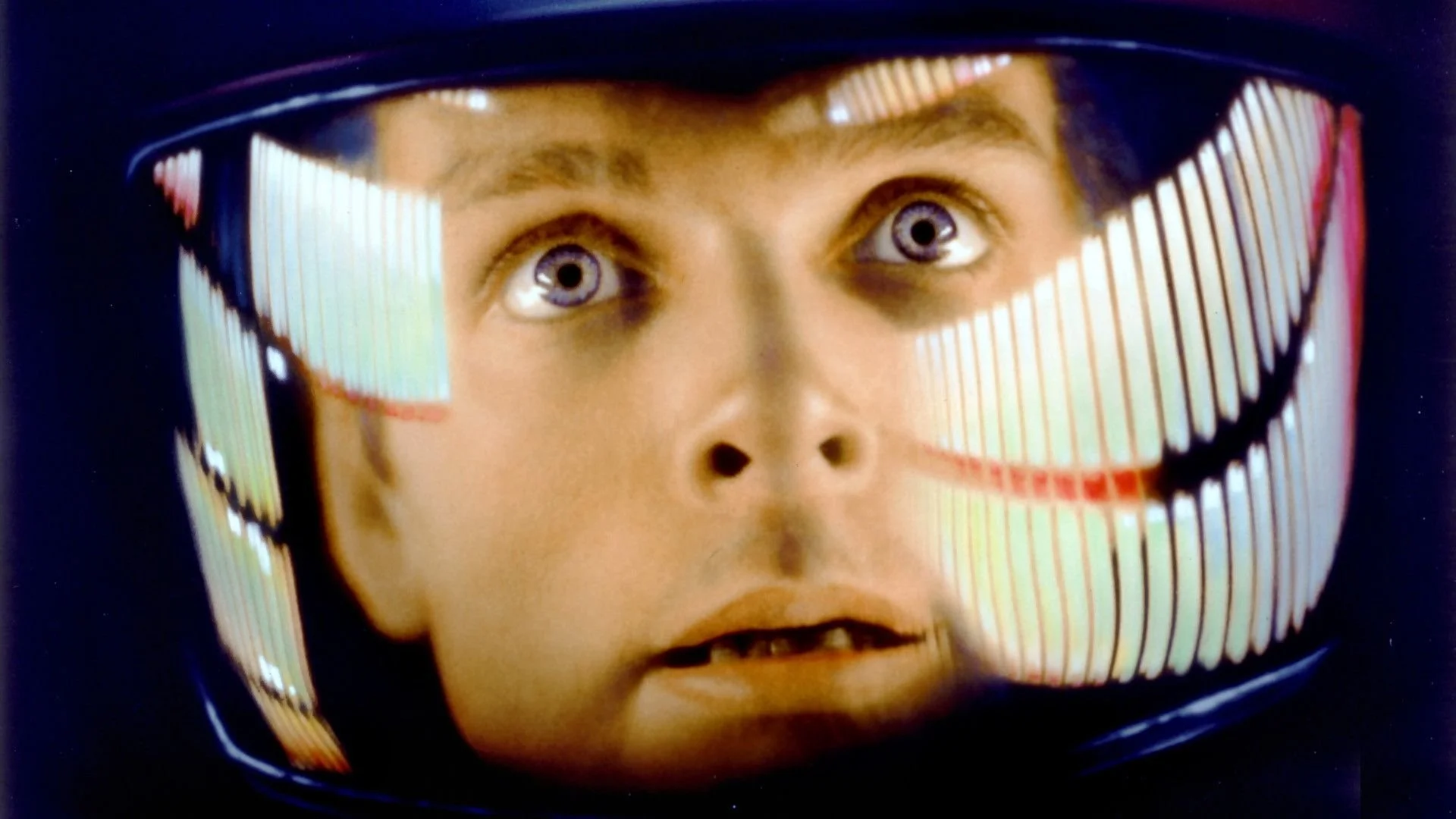
Science fiction cinema has given us some of the most imaginative, thought-provoking, and visually stunning films ever made. From dystopian futures to first contact with alien life, these movies push the boundaries of what's possible while exploring what it means to be human. Here are some of the greatest science fiction films that have captivated audiences and influenced filmmakers for decades.
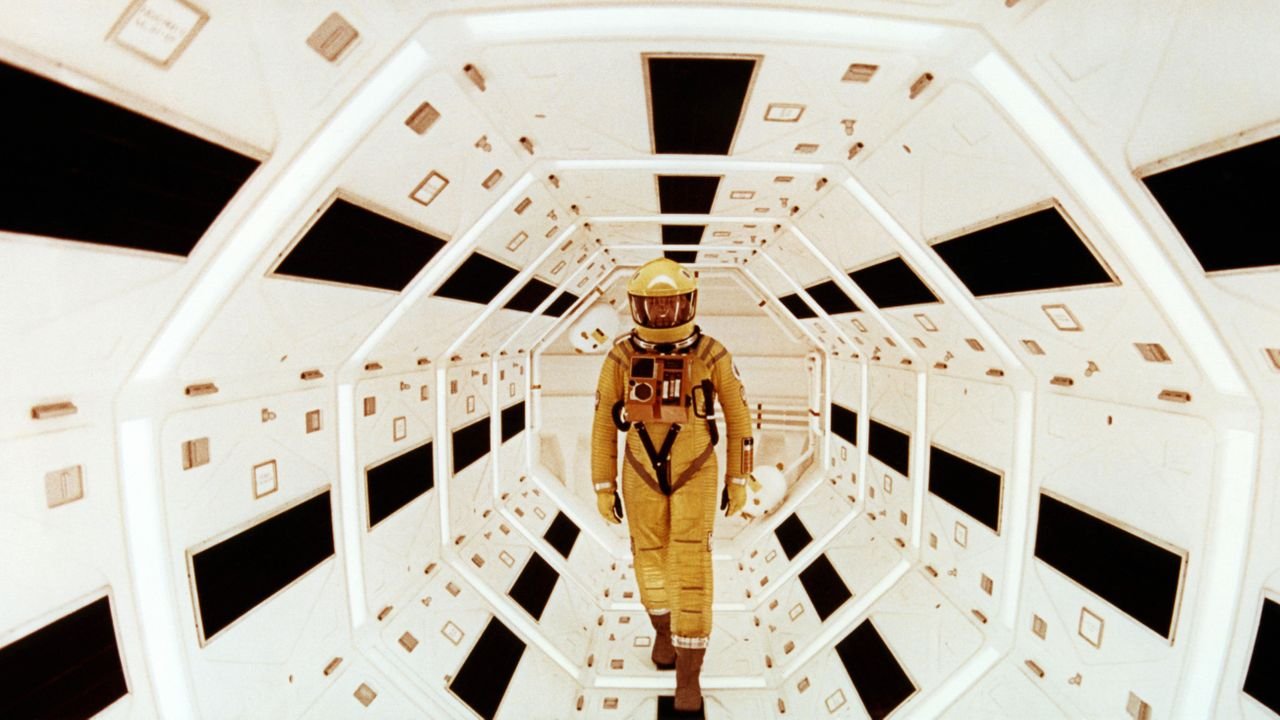
2001: A Space Odyssey (1968)
Stanley Kubrick's masterpiece remains unmatched in its ambition and visual splendor. Following humanity's evolution from ape-men to space travelers, the film poses profound questions about consciousness, technology, and our place in the universe. The HAL 9000 remains one of cinema's most unsettling AI characters, and the film's finale continues to inspire debate more than 50 years later. Kubrick's meticulous attention to scientific accuracy and groundbreaking special effects set a new standard for the genre.
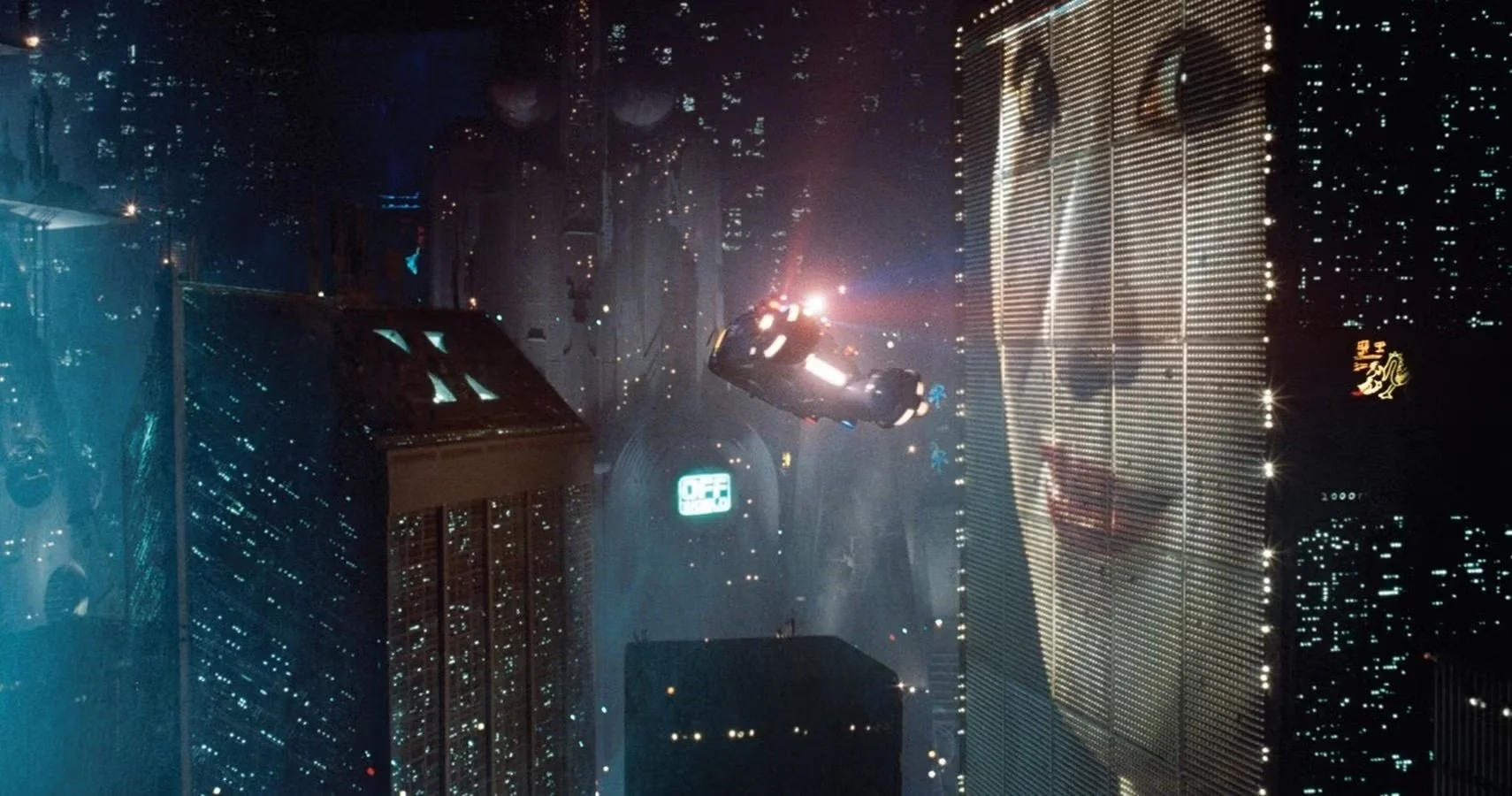
Blade Runner (1982)
Ridley Scott's neo-noir vision of 2019 Los Angeles created a fully realized dystopian world that has influenced countless films since. The story of Rick Deckard hunting rogue replicants raises questions about memory, identity, and what separates human from artificial life. The film's visual design, with its rain-soaked streets and towering corporate structures, defined the cyberpunk aesthetic. Roy Batty's "tears in rain" monologue remains one of the most poignant moments in sci-fi cinema.
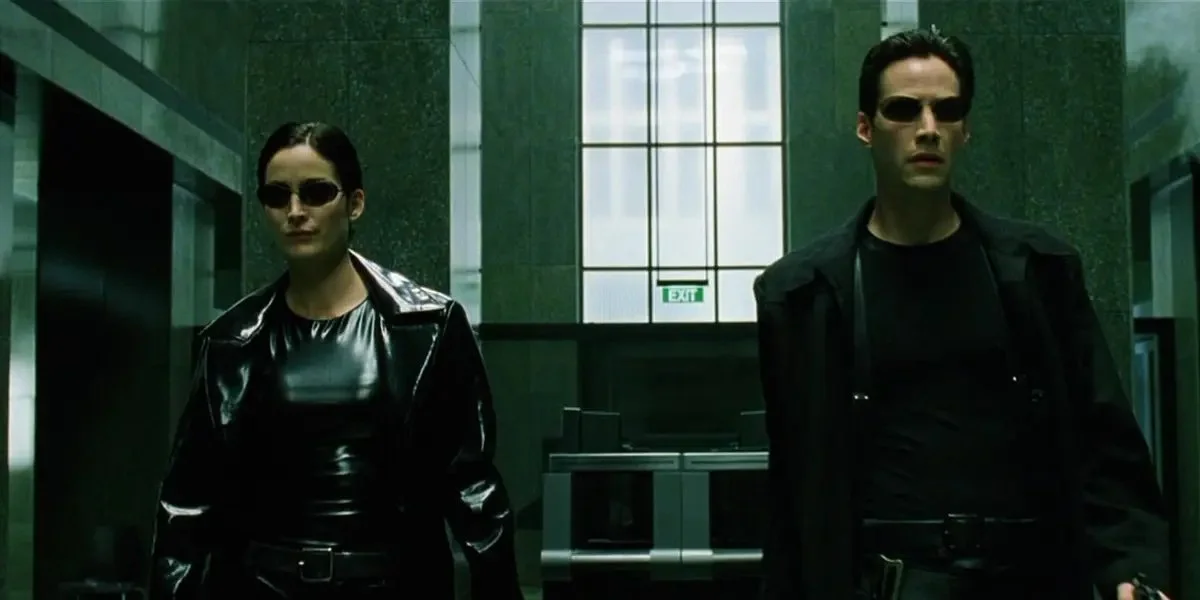
The Matrix (1999)
The Wachowskis revolutionized action cinema while delivering a mind-bending exploration of reality itself. The premise that humanity lives in a computer simulation controlled by machines tapped into millennial anxieties about technology while delivering spectacular action sequences that popularized bullet-time photography. Beyond its groundbreaking visuals, the film draws from philosophy, religion, and cyberpunk literature to create a richly layered narrative that rewards multiple viewings.
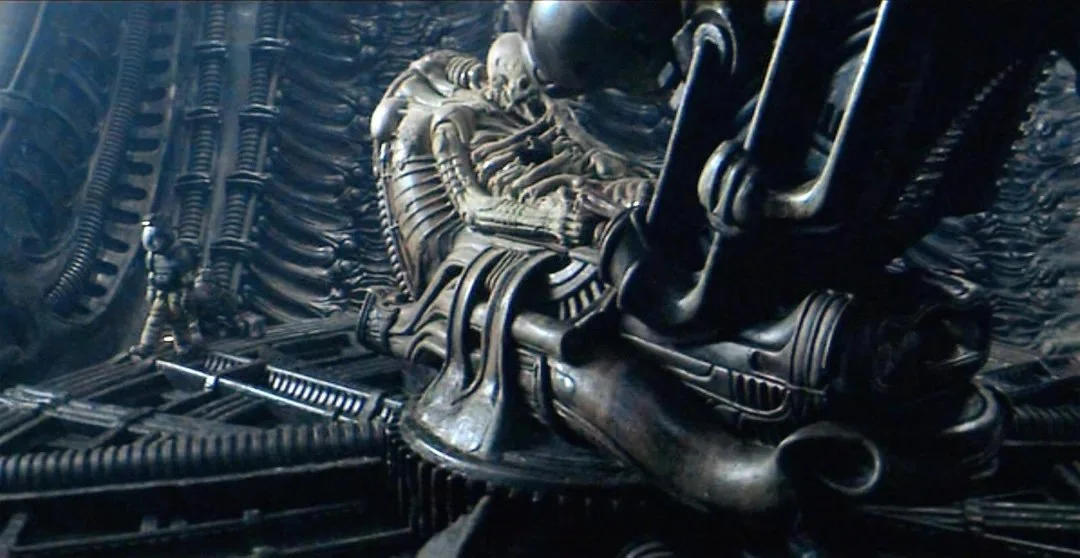
Alien (1979)
Ridley Scott's horror-infused sci-fi thriller proved that the genre could be genuinely terrifying. The story of the crew of the Nostromo encountering a deadly extraterrestrial creature remains intensely suspenseful. H.R. Giger's biomechanical alien design is iconic, and Sigourney Weaver's Ellen Ripley became one of cinema's great action heroes. The film's slow-burn approach and emphasis on atmosphere over spectacle make it timeless.
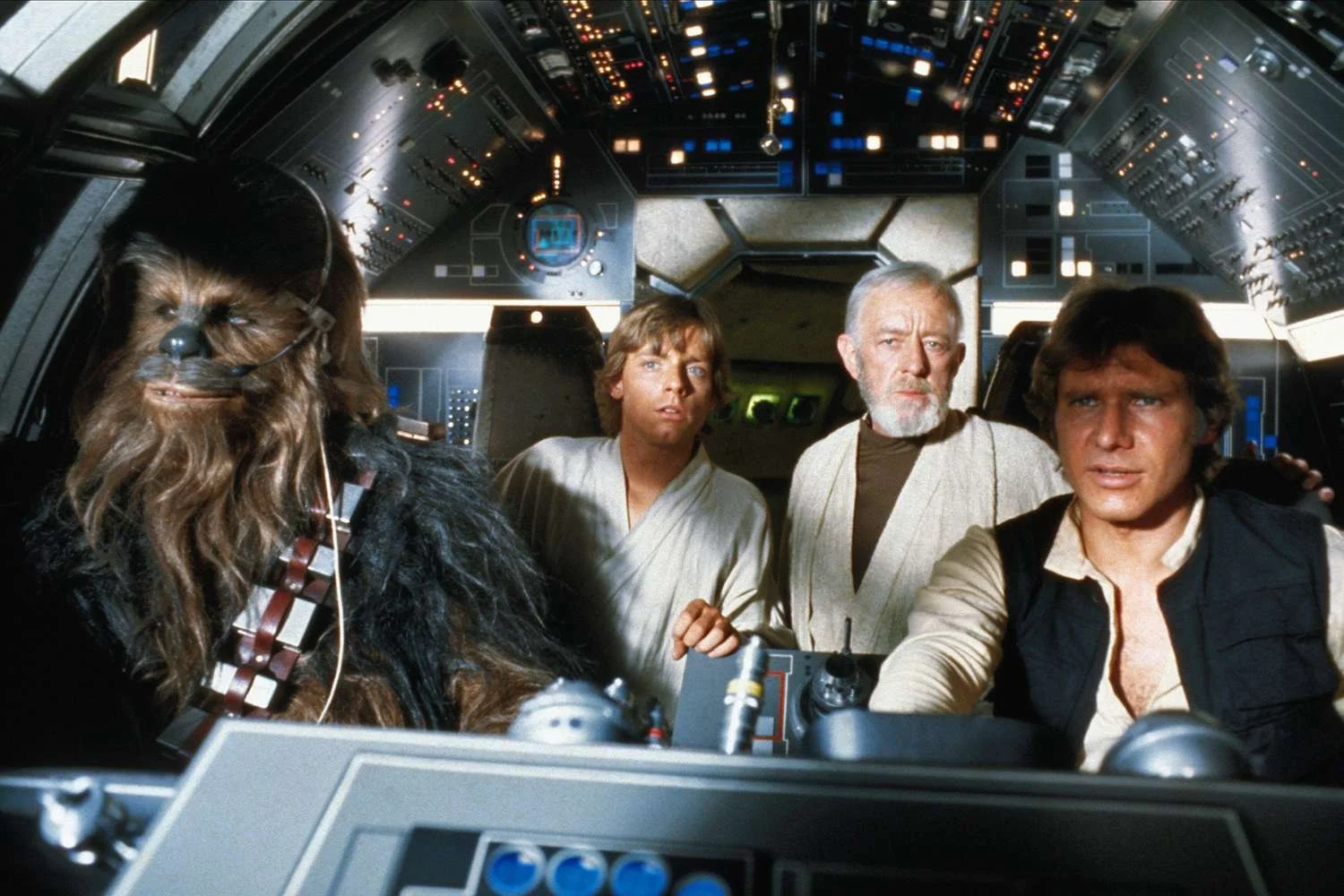
Star Wars (1977)
George Lucas created a space opera that became a cultural phenomenon and redefined blockbuster filmmaking. While more fantasy than hard science fiction, Star Wars introduced audiences to a lived-in universe full of memorable characters, thrilling action, and mythic storytelling. The film's revolutionary special effects, created by Industrial Light & Magic, opened new possibilities for visual storytelling. Its influence on popular culture and the film industry cannot be overstated.
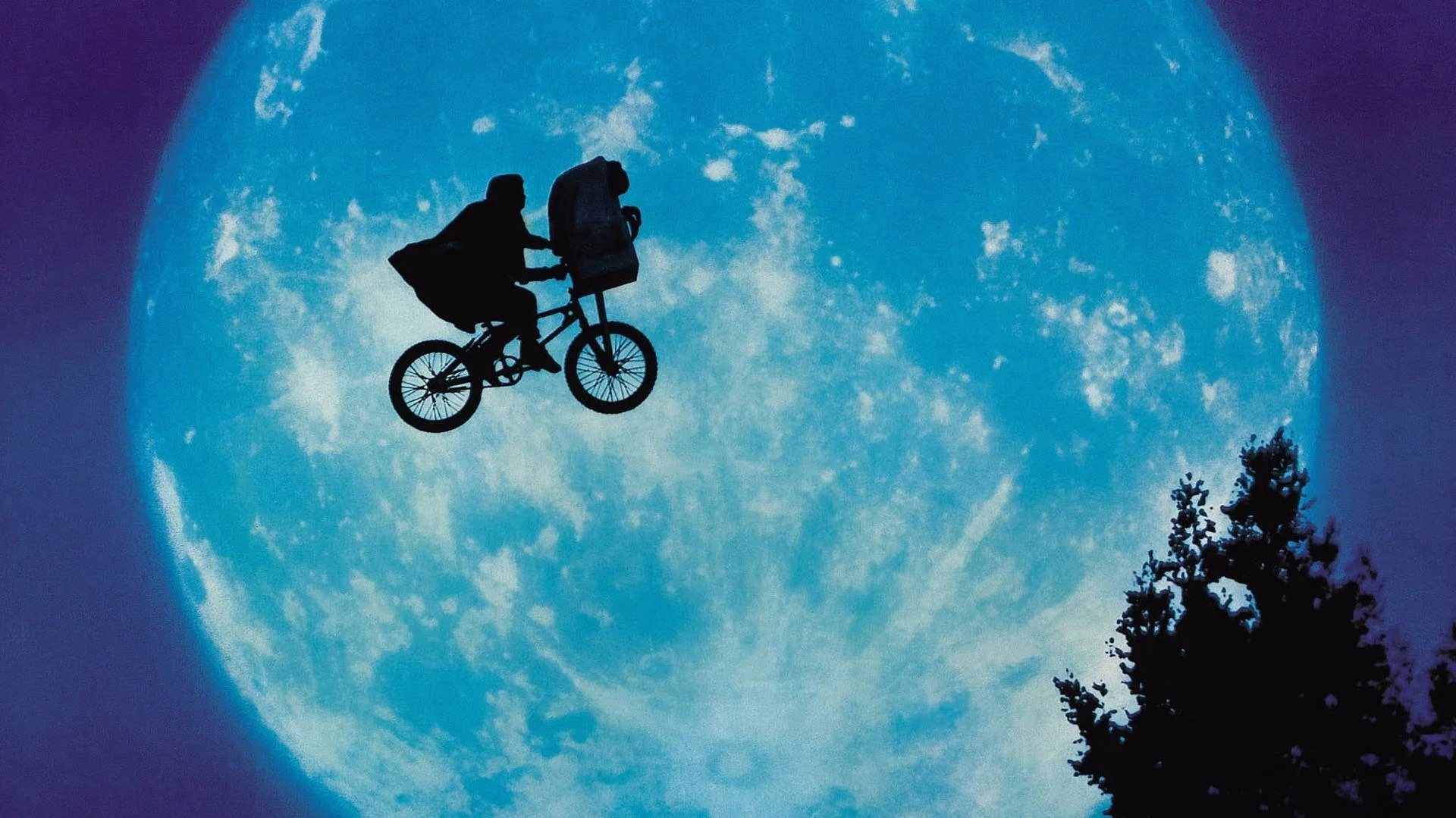
E.T. the Extra-Terrestrial (1982)
Steven Spielberg's heartwarming tale of a boy befriending a stranded alien showed that science fiction could be deeply emotional and family-friendly. The film's exploration of childhood wonder, loneliness, and friendship resonated with audiences worldwide. John Williams' soaring score and the iconic image of Elliott and E.T. silhouetted against the moon have become part of cinema history.
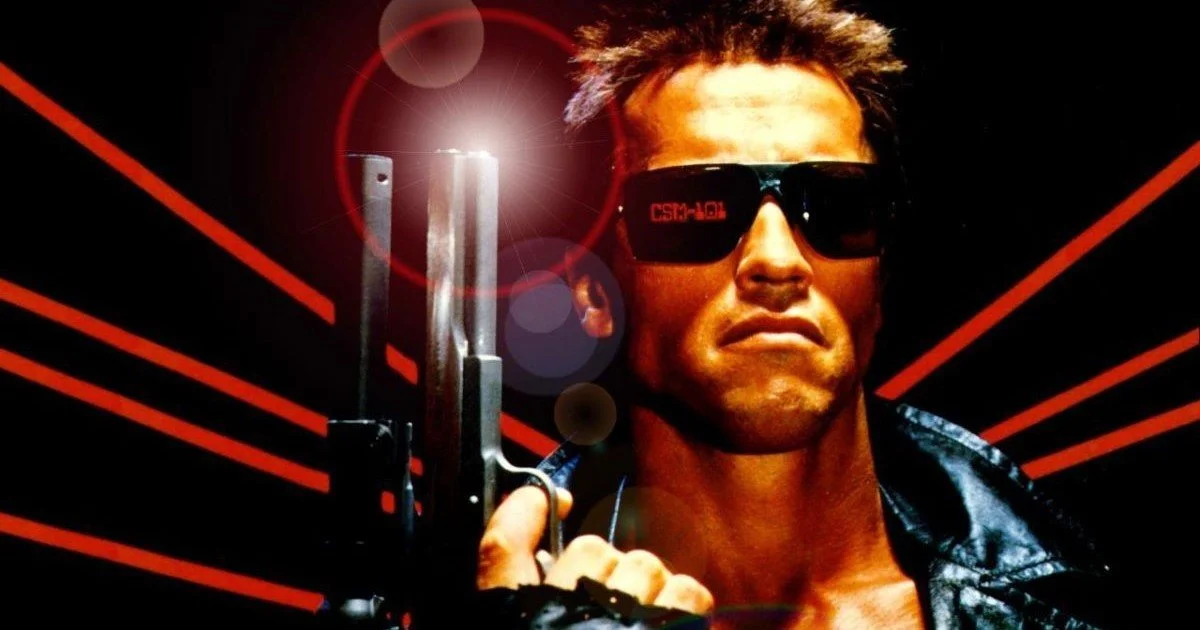
The Terminator (1984)
James Cameron's low-budget thriller about a cyborg assassin sent from the future introduced one of sci-fi's most enduring nightmares: artificial intelligence turning against humanity. Arnold Schwarzenegger's relentless T-800 became an icon, and the film's themes about predestination and the dangers of advanced technology remain relevant. Its success proved that intelligent sci-fi could also be pulse-pounding action entertainment.
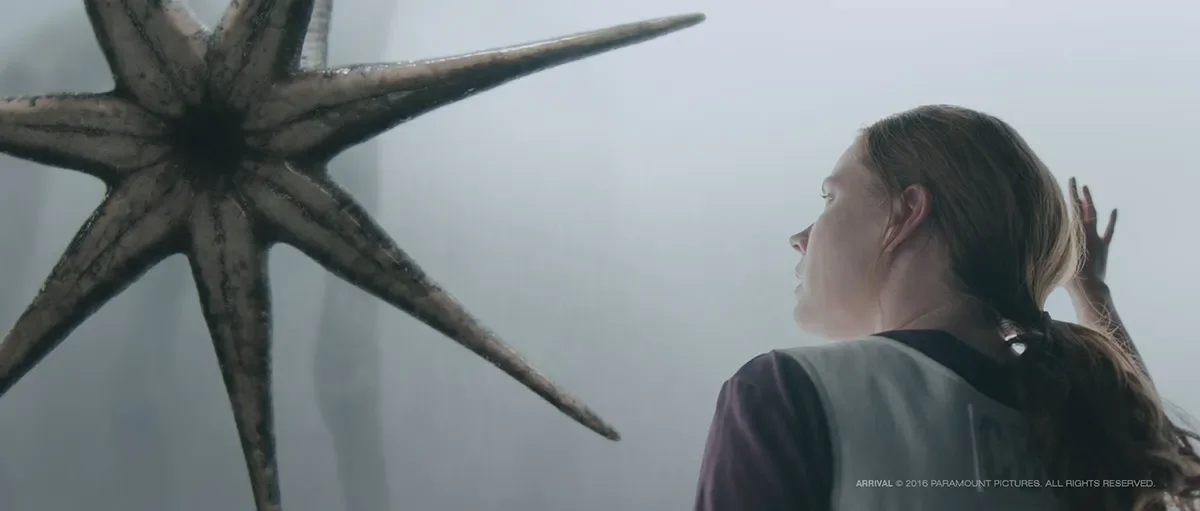
Arrival (2016)
Denis Villeneuve's contemplative first contact story stands out for its intelligence and emotional depth. Based on Ted Chiang's short story, the film explores how language shapes perception and the nature of time itself. Amy Adams delivers a powerful performance as a linguist attempting to communicate with mysterious alien visitors. The film's nonlinear narrative structure reinforces its themes about the cyclical nature of time and the choices we make.
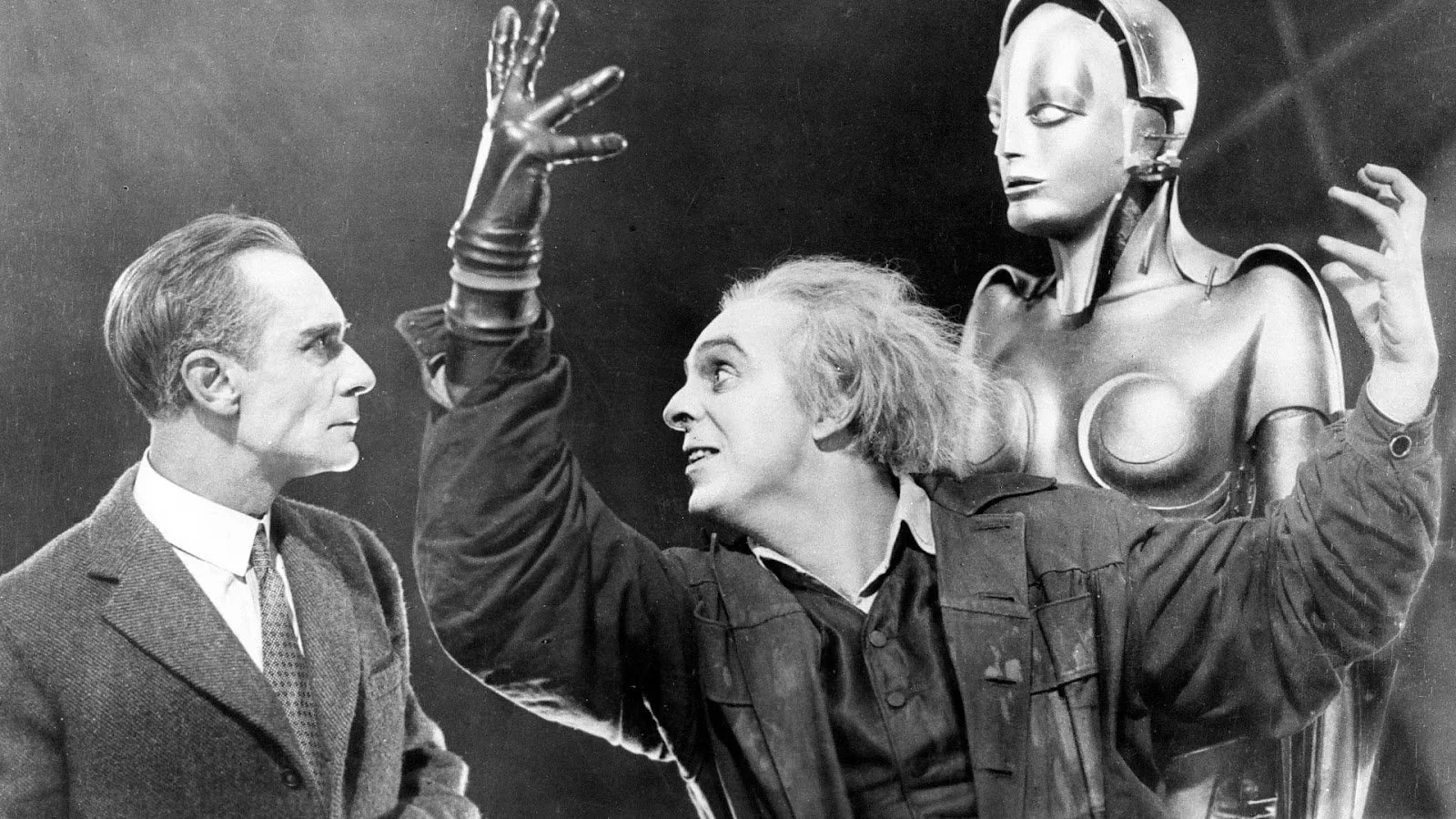
Metropolis (1927)
Fritz Lang's silent epic remains astonishing nearly a century after its release. Set in a futuristic city divided between wealthy elites and oppressed workers, the film's Art Deco designs and visual effects were decades ahead of their time. The robot Maria is one of cinema's first iconic artificial beings, and the film's themes about class struggle and dehumanization remain relevant. Its influence can be seen in countless films that followed.
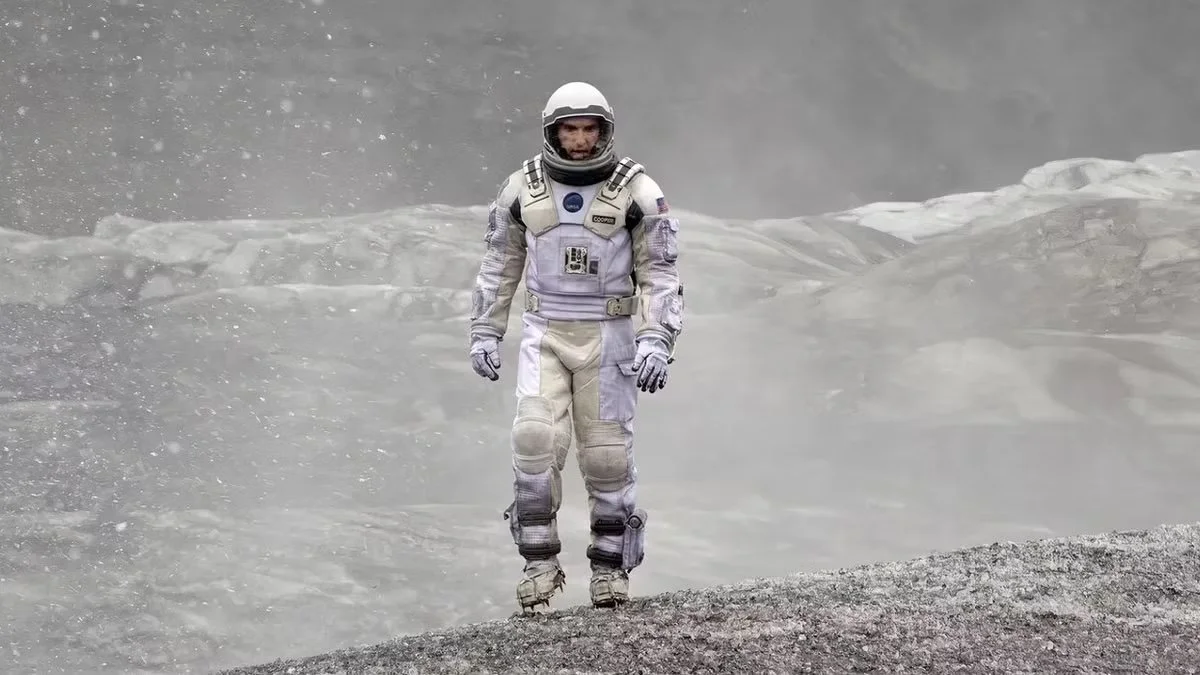
Interstellar (2014)
Christopher Nolan's epic about astronauts searching for humanity's new home combines spectacular visuals with genuine emotion. The film takes scientific concepts like relativity and black holes seriously while telling a deeply human story about a father's love for his daughter. Hans Zimmer's organ-driven score adds emotional weight to the stunning imagery of distant planets and cosmic phenomena.
Honorable Mentions
The list could easily continue with films like Close Encounters of the Third Kind, The Thing, Children of Men, District 9, Mad Max: Fury Road, Ex Machina, Her, Under the Skin, Solaris, and Eternal Sunshine of the Spotless Mind. Each brings something unique to the genre, whether groundbreaking effects, philosophical depth, or innovative storytelling.
The Enduring Appeal
What makes these films endure is their ability to use fantastical premises to explore very human concerns. They ask questions about consciousness, identity, morality, and our relationship with technology. They imagine futures both utopian and dystopian, first contacts that enlighten and terrify, and artificial beings that mirror our own humanity. The best science fiction films don't just predict the future; they help us understand the present and ourselves.
As technology continues to advance and new filmmakers bring fresh perspectives to the genre, science fiction cinema will undoubtedly produce new classics. But these films have earned their place in the pantheon by expanding our imaginations and proving that the genre can be intellectually rigorous, emotionally powerful, and thrilling all at once.
