
Essential Classics Every Sci-Fi Fan Should Read

Science fiction has always been more than rockets, robots, and alien worlds. At its best, it holds a mirror up to humanity — asking uncomfortable questions about who we are, where we're headed, and what we're willing to sacrifice to get there. The genre has produced some of the most visionary, intellectually daring literature ever written, and if you're a fan of speculative fiction, there are certain titles that simply cannot be skipped.
Whether you're a seasoned reader looking to fill gaps in your library or a newcomer wondering where to start, this list of essential classics will give you a solid foundation — and likely change the way you see the world.
This post contains affiliate links. I may earn a commission at no extra cost to you.
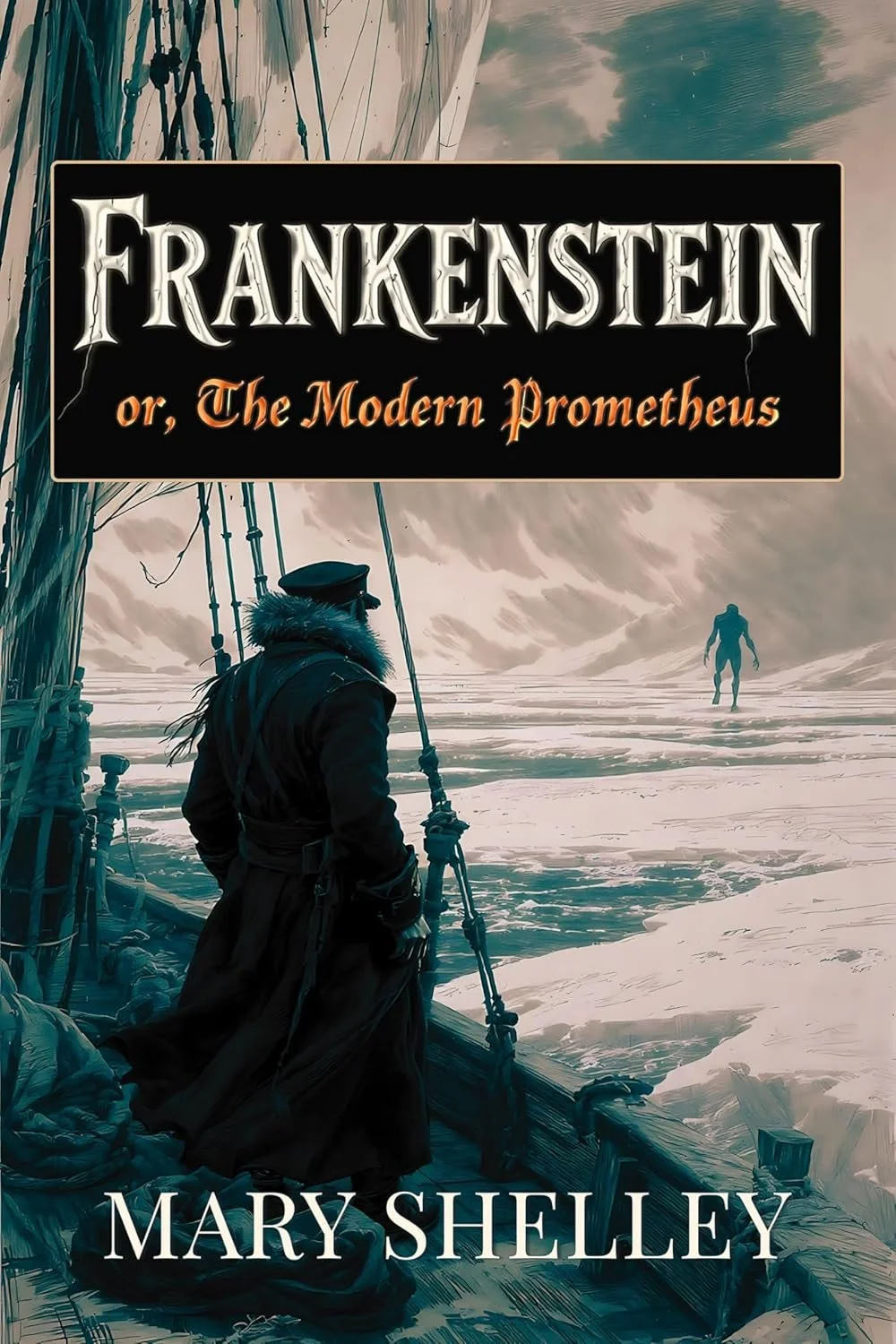
Frankenstein (1818)
Mary Shelley
It all starts here. Mary Shelley wrote Frankenstein when she was just eighteen years old, and in doing so, she essentially invented science fiction as we know it. The novel grapples with creation, responsibility, and the hubris of playing God — themes that have echoed through the genre ever since. Victor Frankenstein's monster is not a mindless villain but a deeply tragic figure, abandoned by his creator and rejected by the world. If you've only seen the movie adaptations, the book will genuinely surprise you.
Read it on Amazon.
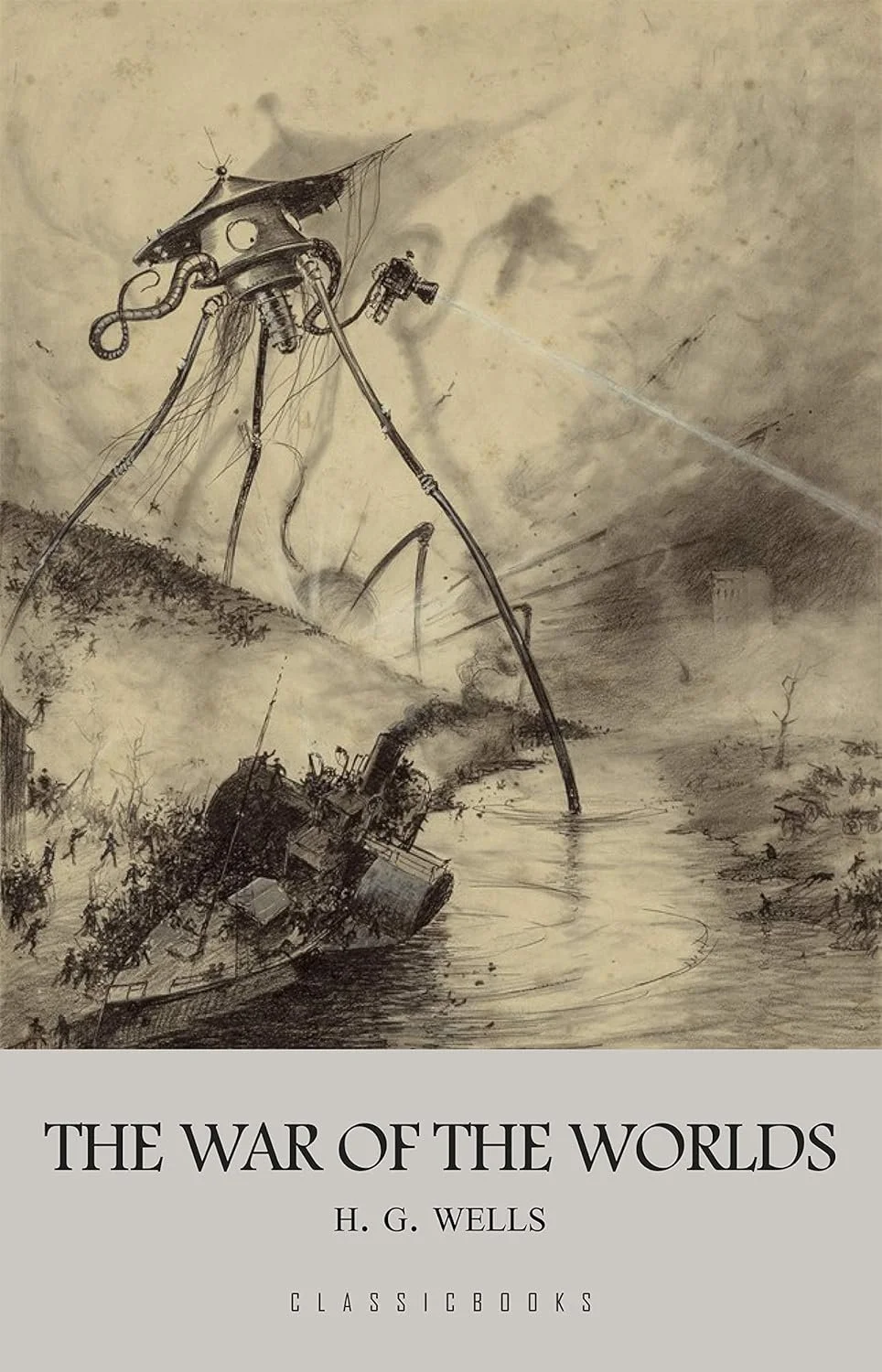
The War of the Worlds (1898)
H.G. Wells
H.G. Wells was the prophet of early science fiction, and The War of the Worlds remains his most visceral achievement. Written at the height of British imperial power, it imagines what it might feel like to be on the receiving end of a technologically superior invading force — a pointed political metaphor wrapped in a terrifying alien-invasion thriller. It's lean, propulsive, and still startling over a century later.
Find it on Amazon.

Brave New World (1932)
Aldous Huxley
Where George Orwell imagined a future defined by pain and coercion, Huxley imagined one defined by pleasure and compliance — and many argue his vision has proven more prophetic. In the World State, citizens are genetically engineered, socially conditioned, and kept pacified by a happiness drug called Soma. Brave New World asks whether a life of comfort without struggle, art, or meaning is really a life worth living. It's an unsettling book precisely because its dystopia is so seductive.
It’s on Amazon.
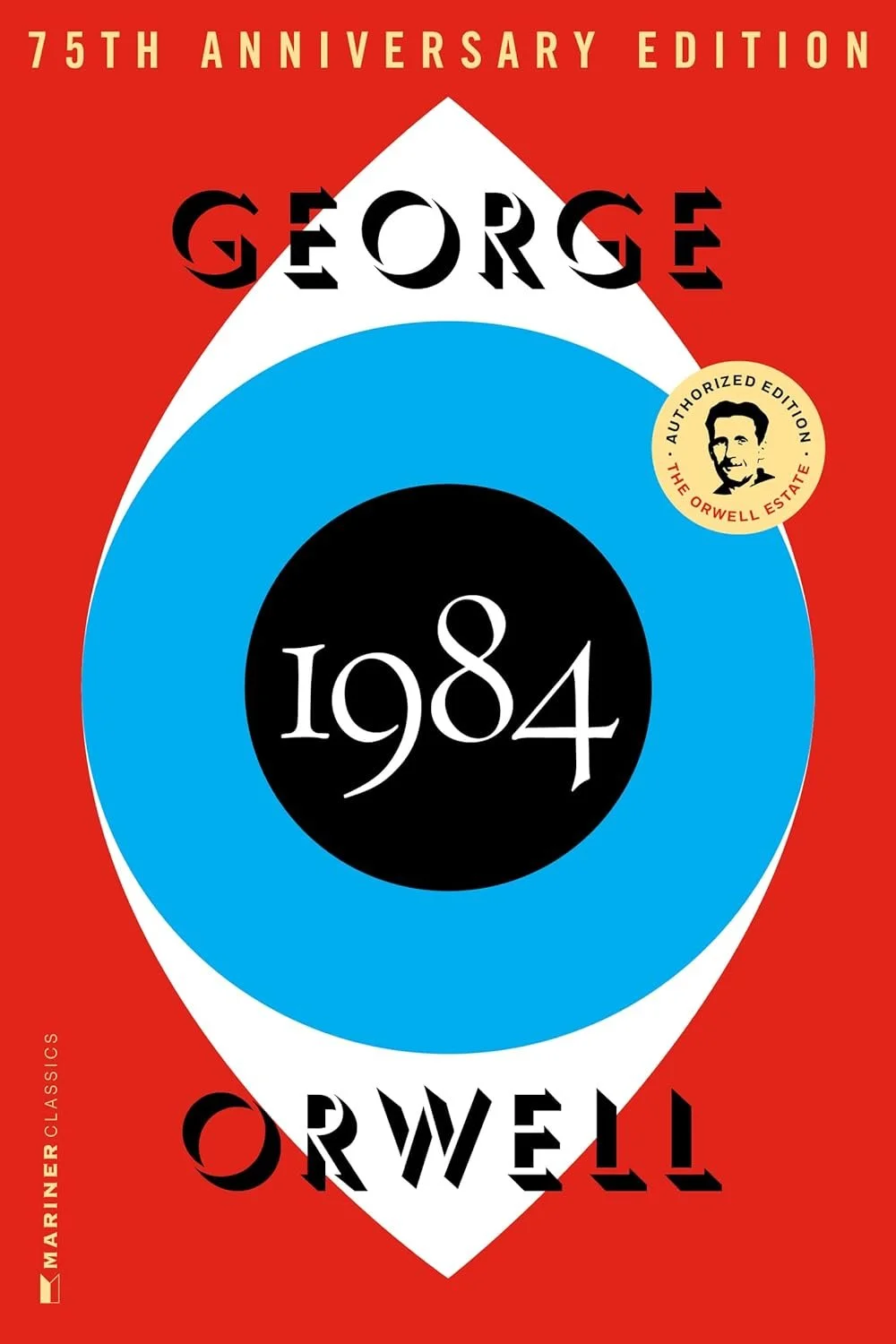
1984 (1949)
George Orwell
Few novels have burrowed so deeply into the cultural consciousness. Orwell's portrait of a totalitarian surveillance state — with its Thought Police, its perpetual war, and its methodical destruction of truth itself — feels, if anything, more relevant today than when it was written. Winston Smith's doomed rebellion against the Party is one of literature's great tragic arcs. It gave us terms like "Big Brother," "doublethink," and "Newspeak," which have become part of everyday language. Essential doesn't begin to cover it.
The Read it on Amazon.
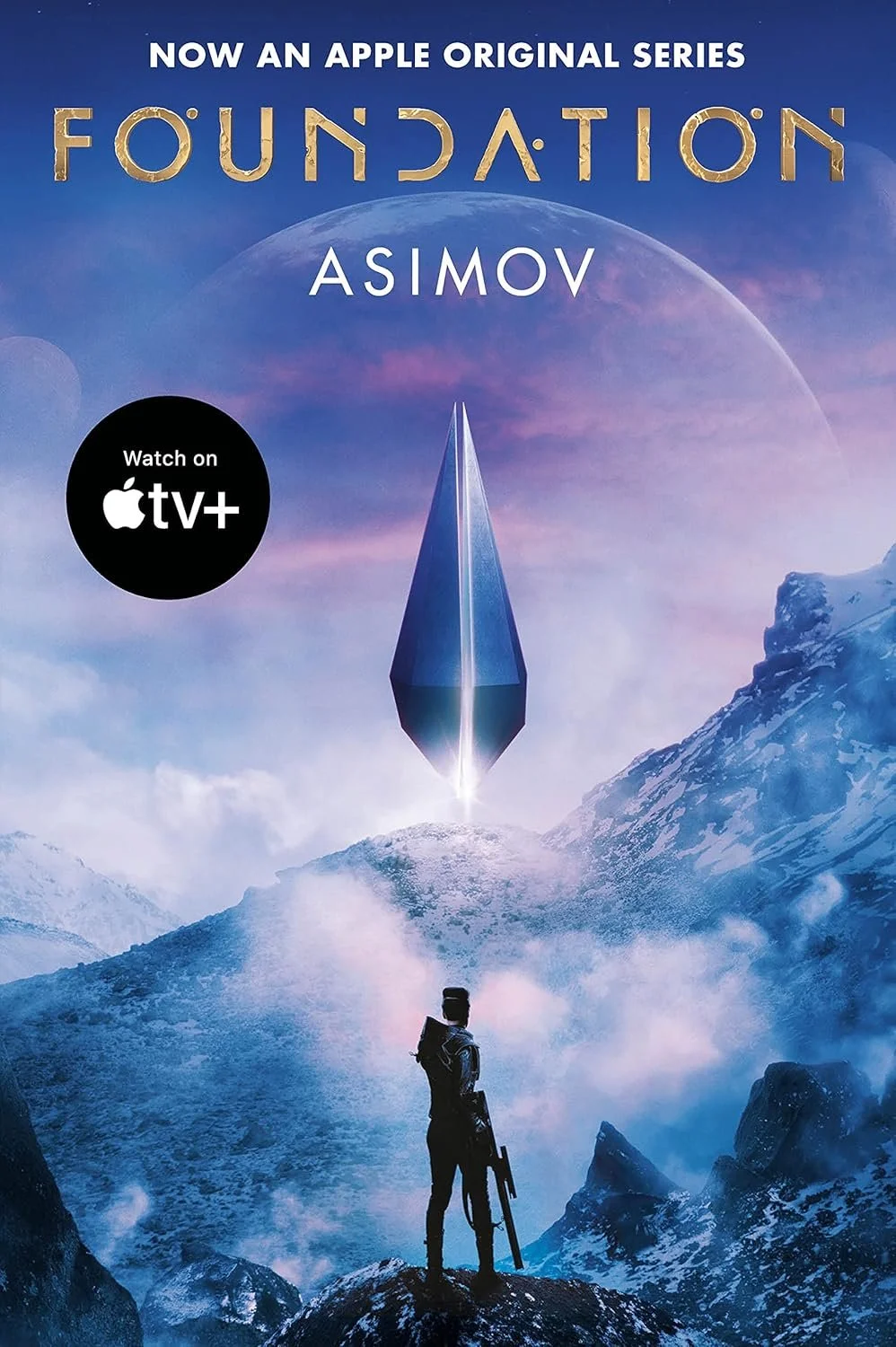
Foundation (1951)
Isaac Asimov
Asimov's Foundation is one of the grandest ideas in all of science fiction: a mathematician named Hari Seldon develops a science called "psychohistory" that can predict the fall of galactic civilization — and sets in motion a plan to shorten the coming dark age from thirty thousand years to just one thousand. The scope is staggering, and the novel (and its sequels) rewards patient readers with some of the most epic world-building ever committed to the page. It's the blueprint for every large-scale space opera that followed.
Available on Amazon.
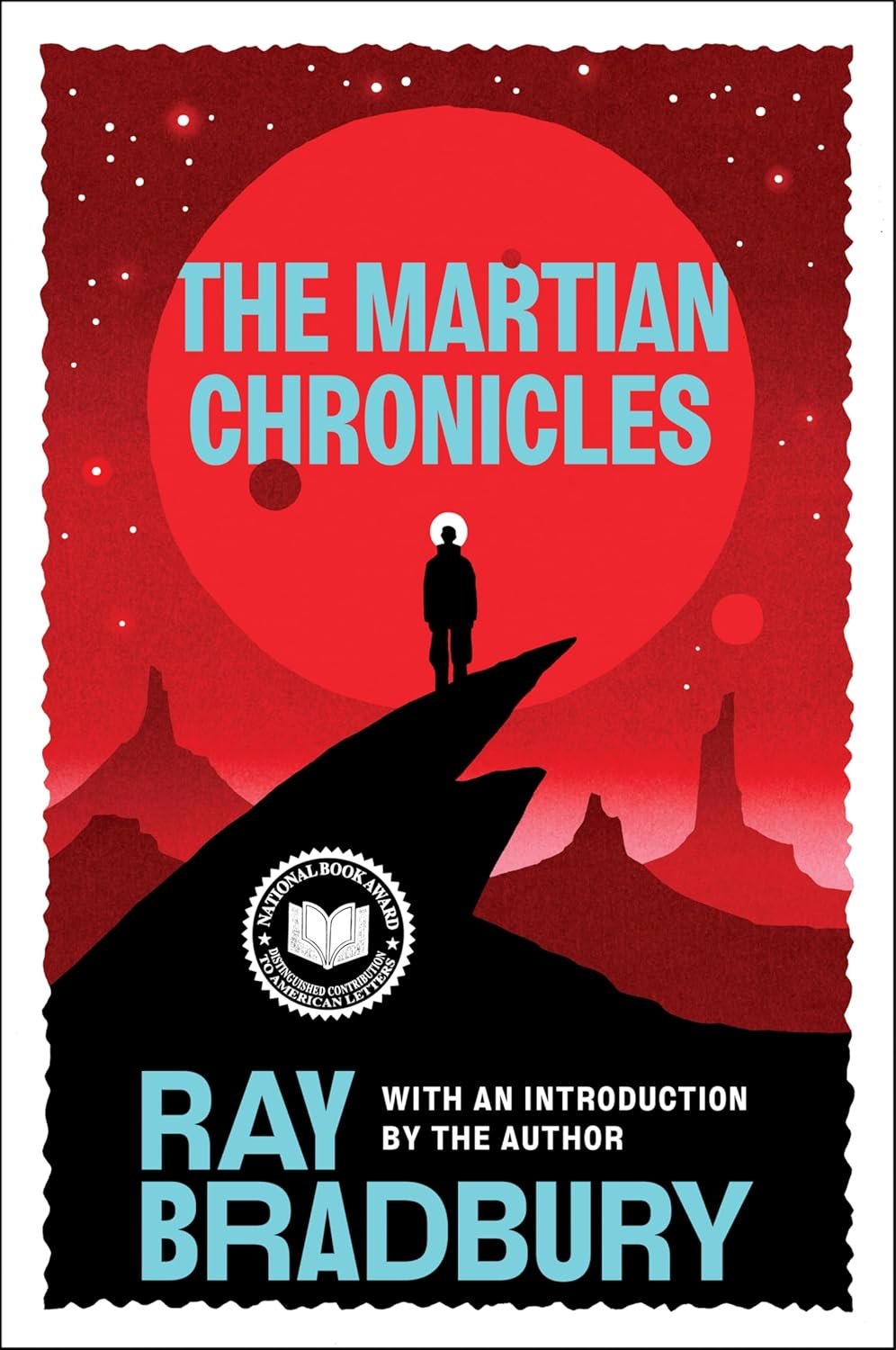
The Martian Chronicles (1950)
Ray Bradbury
Ray Bradbury was a poet who happened to write science fiction, and The Martian Chronicles is his most lyrical achievement. Structured as a series of interconnected stories spanning humanity's colonization of Mars, it's less interested in the mechanics of space travel than in grief, nostalgia, loneliness, and the human tendency to destroy what we find beautiful. There's a melancholy to this book that is entirely unique in the genre.
Available on Amazon.
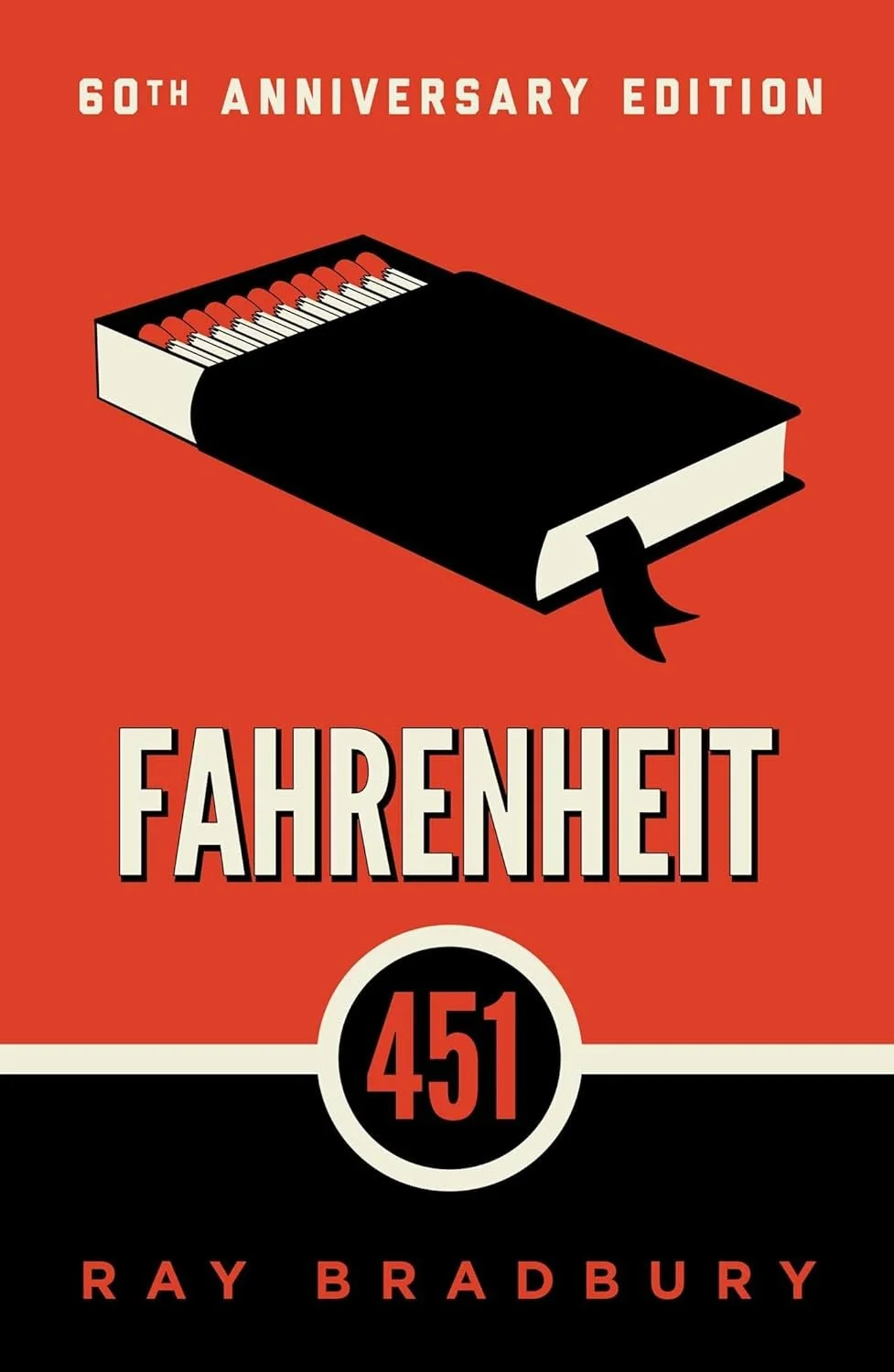
Fahrenheit 451 (1953)
Ray Bradbury
Speaking of Bradbury — his other great masterpiece deserves a place on this list in its own right. Set in a future America where books are banned and "firemen" burn any they find, Fahrenheit 451 is a passionate defense of literature, curiosity, and the examined life. It was written in just nine days on a rented typewriter in a UCLA library basement, and it burns with the urgency of that process. Guy Montag's awakening is one of the genre's most human stories.
Read it on Amazon.
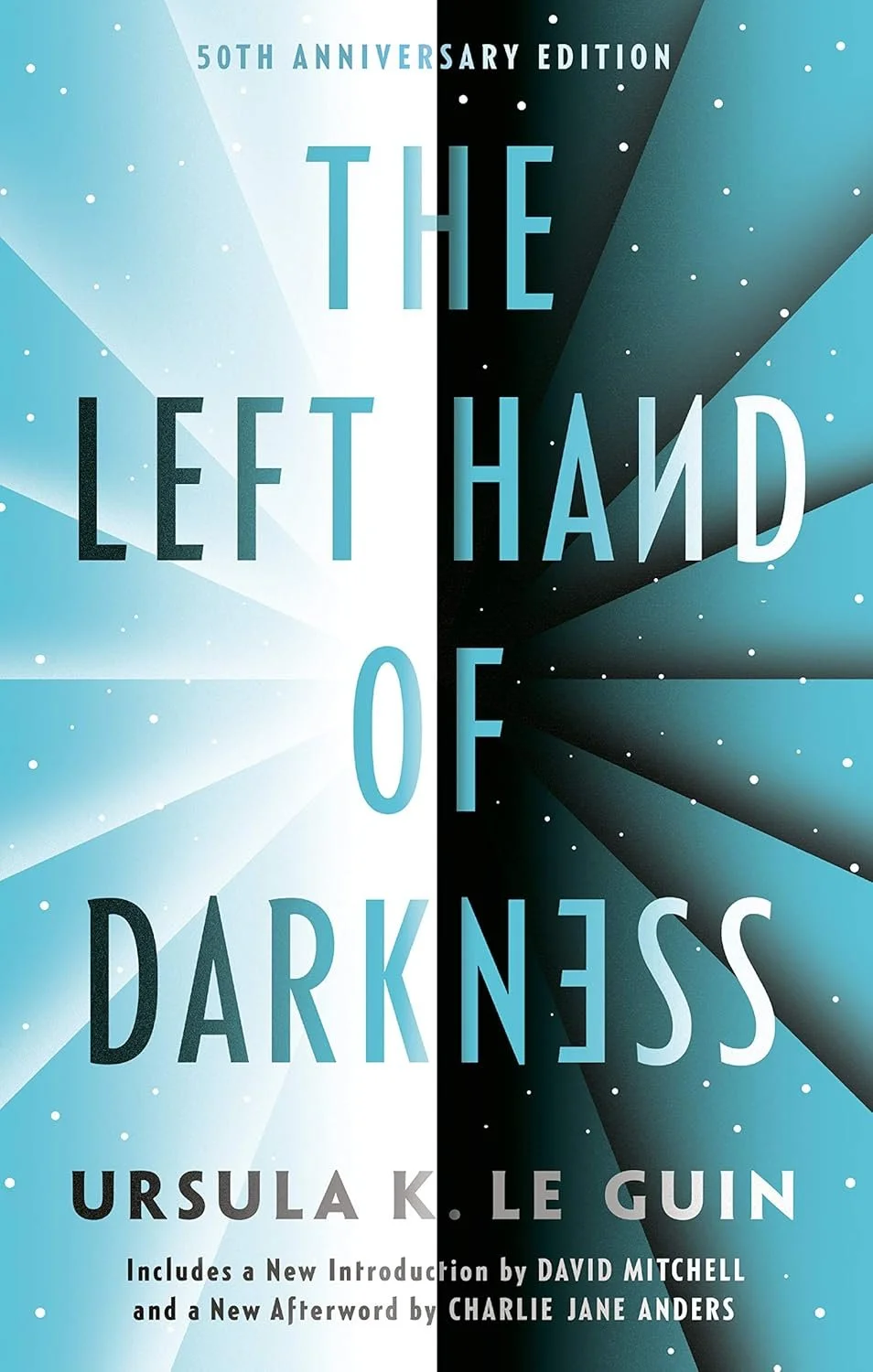
The Left Hand of Darkness (1969)
Ursula K. Le Guin
Ursula K. Le Guin elevated science fiction into unmistakable literary art, and The Left Hand of Darkness is her crowning achievement. Set on a frigid planet whose inhabitants have no fixed biological sex, the novel is a profound exploration of gender, identity, loyalty, and what it means to be a stranger in an unfamiliar world. Le Guin's prose is spare and beautiful, and her ideas remain radical more than fifty years on. If you've never read her, start here.
Read it on Amazon.
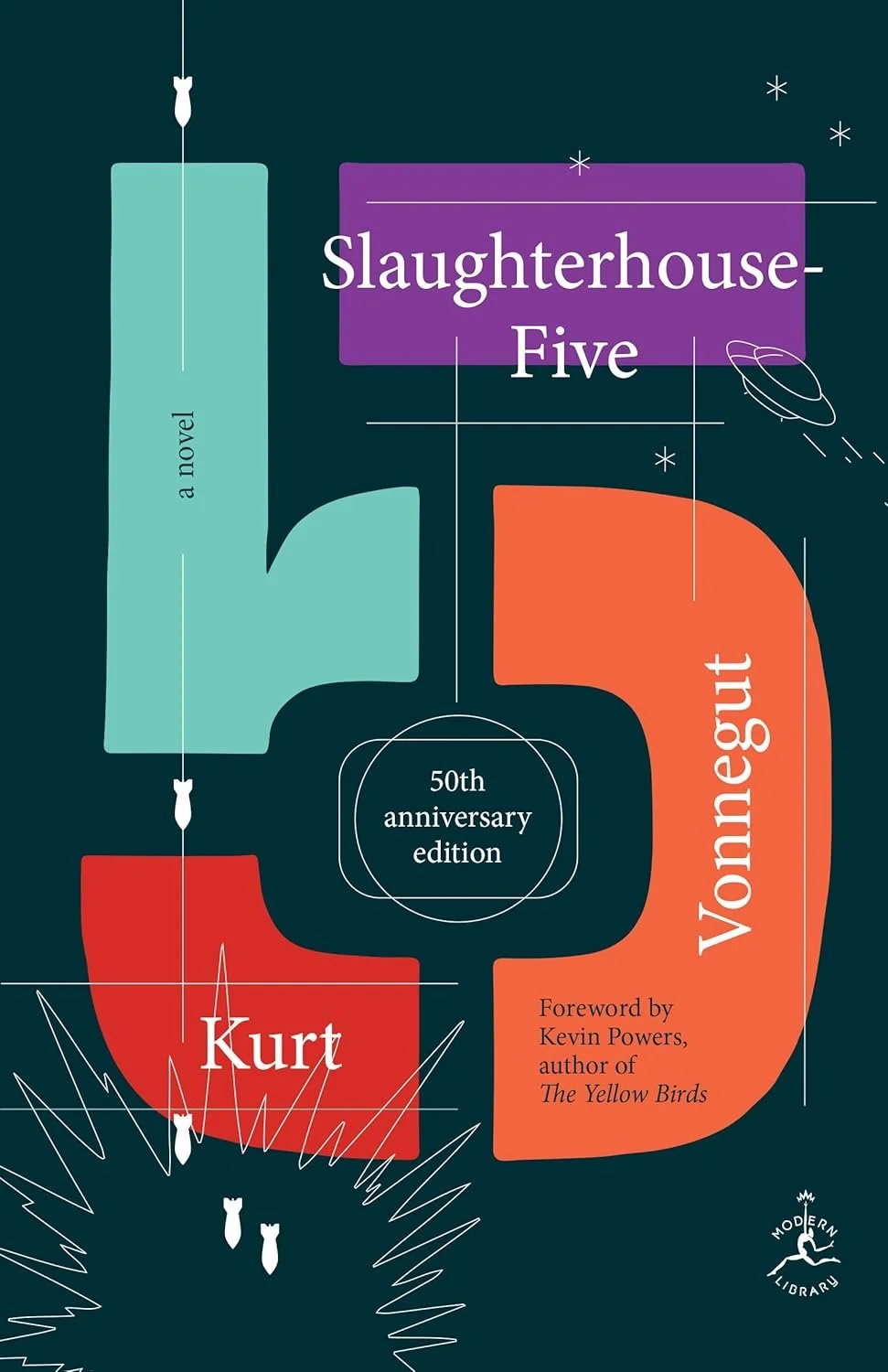
Slaughterhouse-Five (1969)
Kurt Vonnegut
"So it goes." Vonnegut's semi-autobiographical novel about Billy Pilgrim — a World War II veteran who becomes "unstuck in time" and is abducted by aliens from the planet Tralfamadore — is simultaneously the funniest and most devastating anti-war novel ever written. It defies easy categorization, blending science fiction, satire, and memoir in a way that feels genuinely unlike anything else. It's also a book about trauma and the stories we tell ourselves to survive it. Unforgettable.
On Amazon.
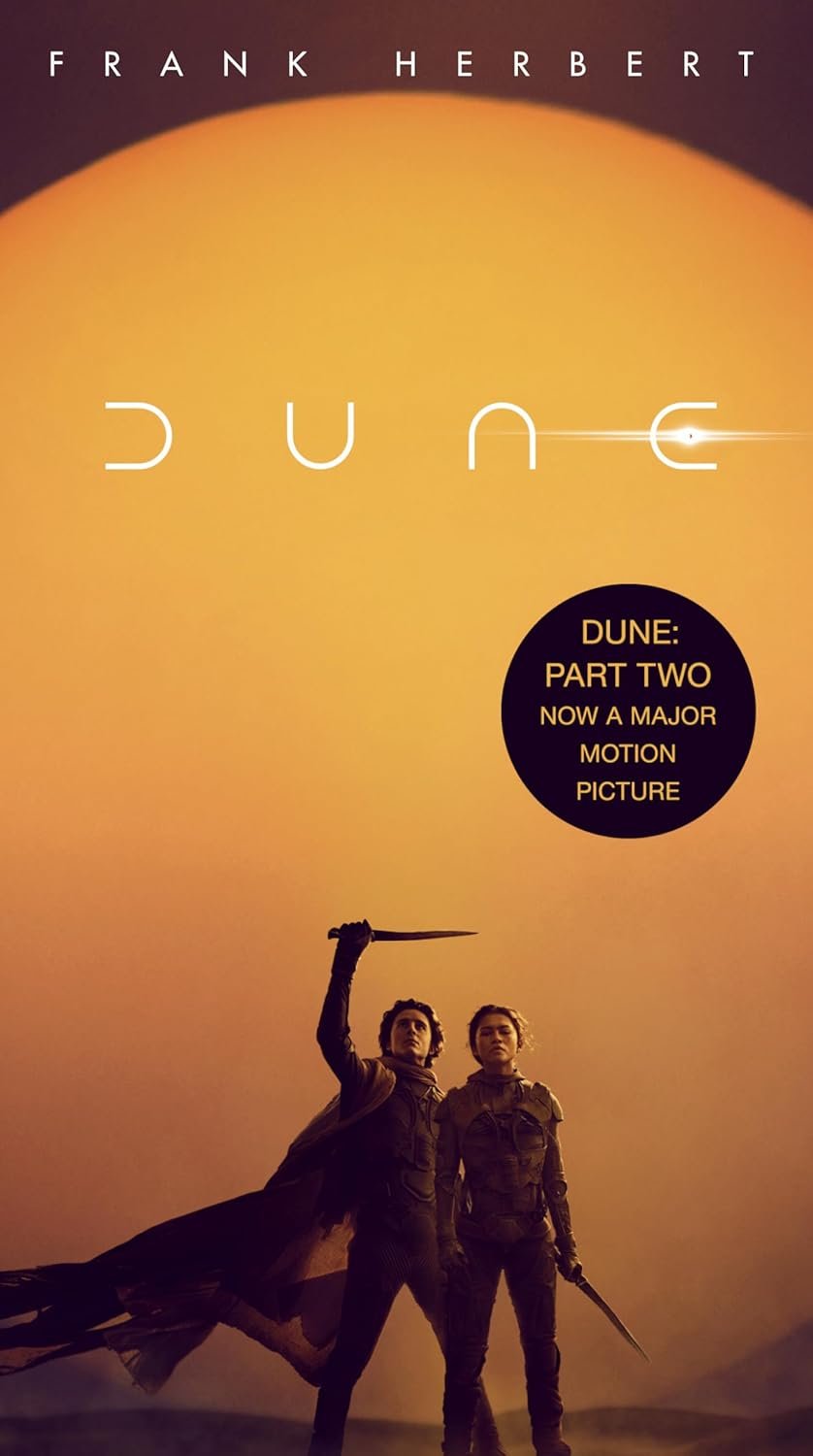
Dune (1965)
Frank Herbert
No list of sci-fi classics is complete without Dune. Herbert's epic novel of politics, religion, ecology, and power on the desert planet Arrakis is the best-selling science fiction novel of all time for a reason. It invented the modern concept of world-building as a serious literary endeavor. The spice Melange, the Fremen, the Bene Gesserit, the great Houses of the Landsraad — the depth of Herbert's creation is breathtaking. Recent film adaptations have introduced it to a new generation, but the book remains the definitive experience.
Available on Amazon.
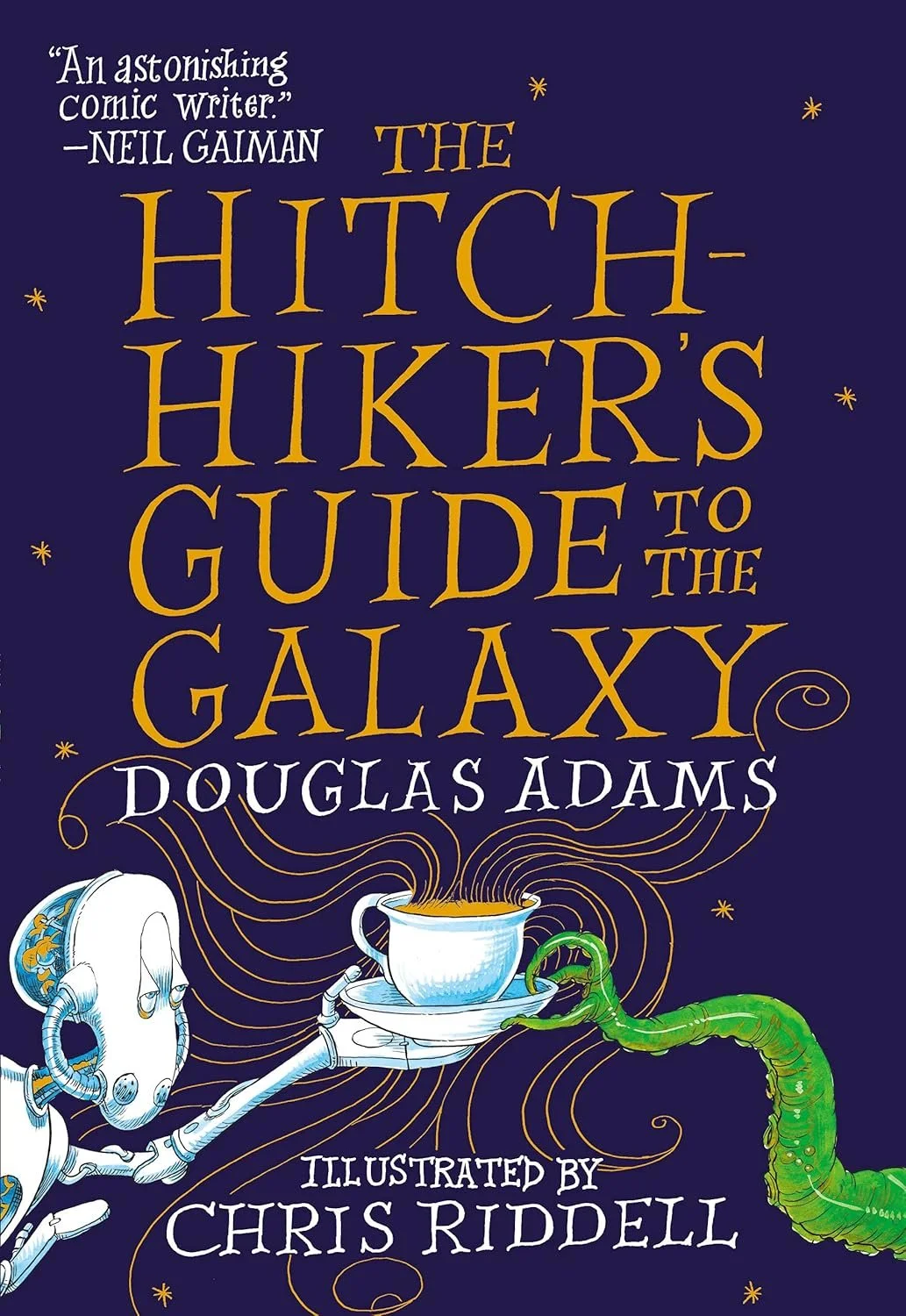
Douglas Adams
Because not everything has to be profound — though this actually is, underneath all the jokes. Adams' comic masterpiece follows Arthur Dent through the cosmos after Earth is demolished to make way for a hyperspace bypass, accompanied by an alien friend, a depressed robot, and a stolen starship. It is extraordinarily funny, and also, quietly, a meditation on the absurdity of existence and the impossibility of finding meaning in a universe that doesn't offer any. The answer, of course, is 42.
Read it and laugh on Amazon.
Where to Go From Here
This list only scratches the surface of what the genre has to offer. From Philip K. Dick's paranoid reality-bending thrillers to Arthur C. Clarke's hard science epics, from Octavia Butler's visionary Afrofuturism to Samuel Delany's challenging literary experiments — science fiction is vast, diverse, and endlessly rewarding.
But start here. Read these books. Let them argue with you, unsettle you, and expand your sense of what's possible. That's what the best science fiction has always done — and why, decades or even centuries after they were written, these classics still feel urgently, thrillingly alive.
This post contains affiliate links. I may earn a commission at no extra cost to you.
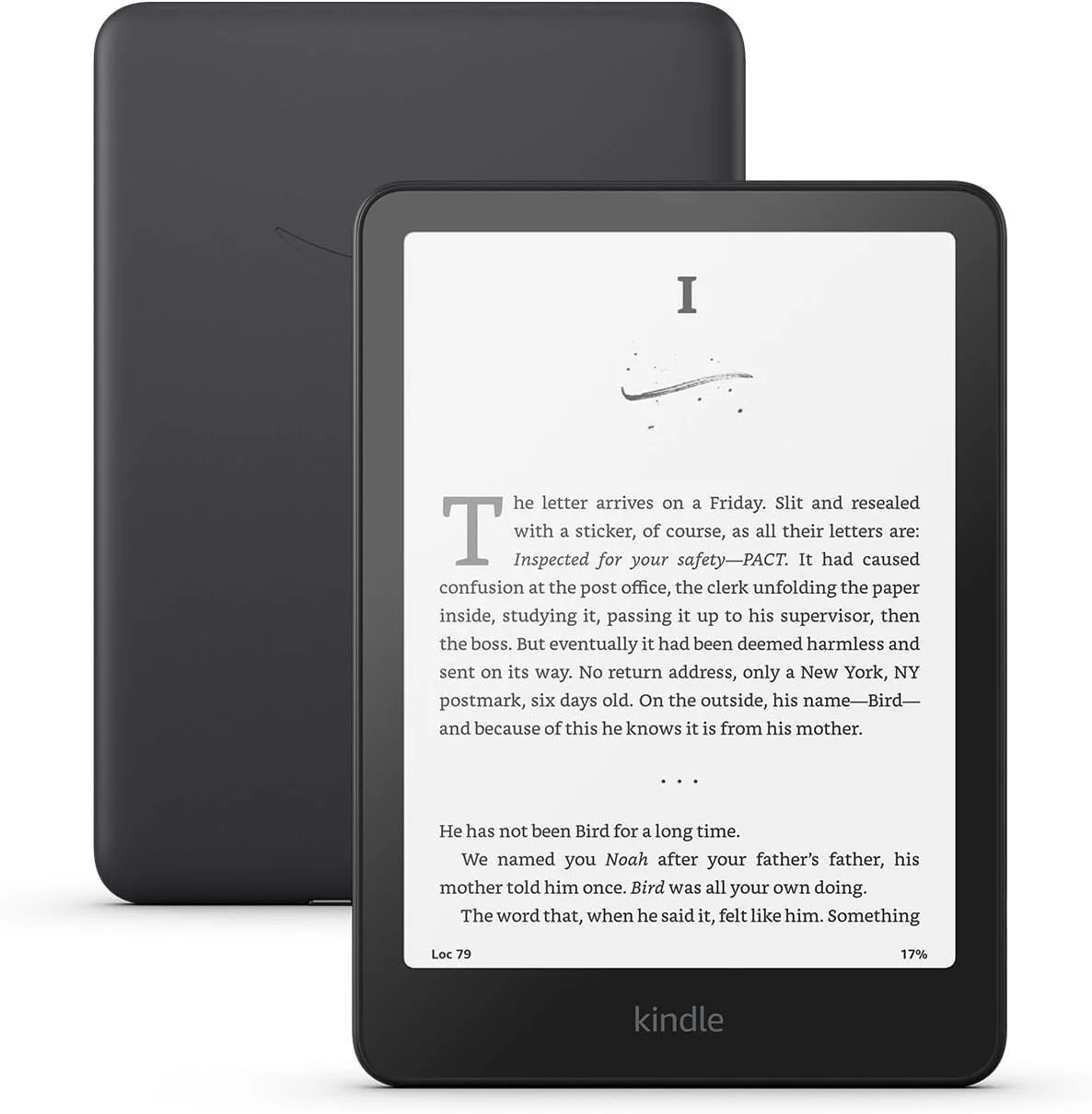
SPONSORED BY
Kindle Paperwhite
Thinner. Lighter. Waterproof.
