
The Best Sci-Fi Horror Movies of All Time
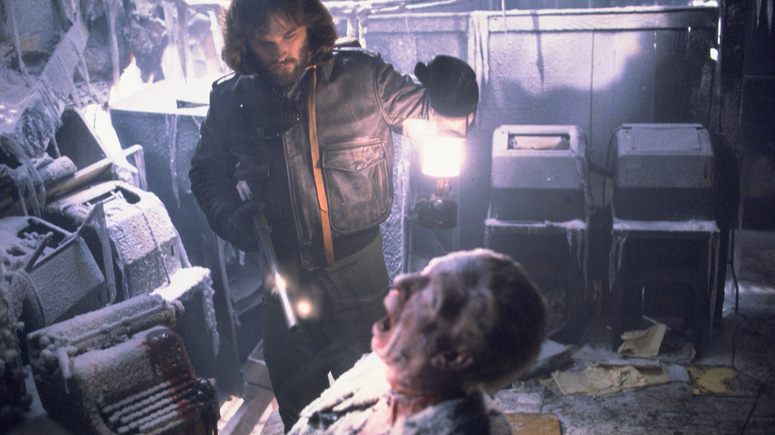
Science fiction and horror make for one of cinema's most thrilling combinations. When you blend the unknown terrors of space, technology, and the future with visceral fear, you get films that don't just scare us—they make us question our place in the universe. These movies remind us that sometimes the most frightening monsters aren't supernatural, but scientific nightmares that could, theoretically, become real.
Here are the films that defined and perfected the sci-fi horror genre.
Alien (1979)
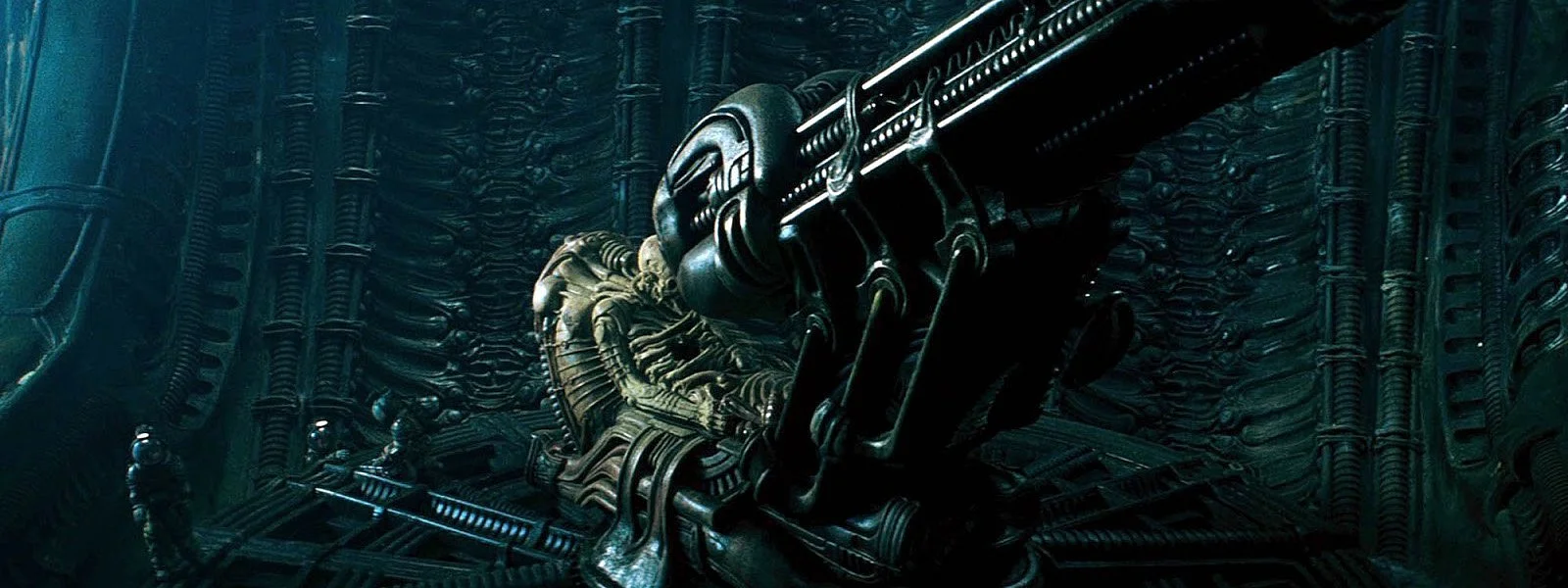
Ridley Scott's masterpiece remains the gold standard for sci-fi horror. The film follows the crew of the commercial spaceship Nostromo as they encounter a deadly extraterrestrial creature. What makes Alien so effective is its slow-burn tension and claustrophobic atmosphere. In space, no one can hear you scream—and that isolation amplifies every moment of terror.
The xenomorph, designed by H.R. Giger, is one of cinema's most iconic monsters: biomechanical, predatory, and utterly alien. Sigourney Weaver's Ellen Ripley became an instant icon, proving that strong, intelligent protagonists make horror all the more compelling. The film's blend of industrial blue-collar workers facing cosmic horror created a template that countless films would try to replicate.
The Thing (1982)
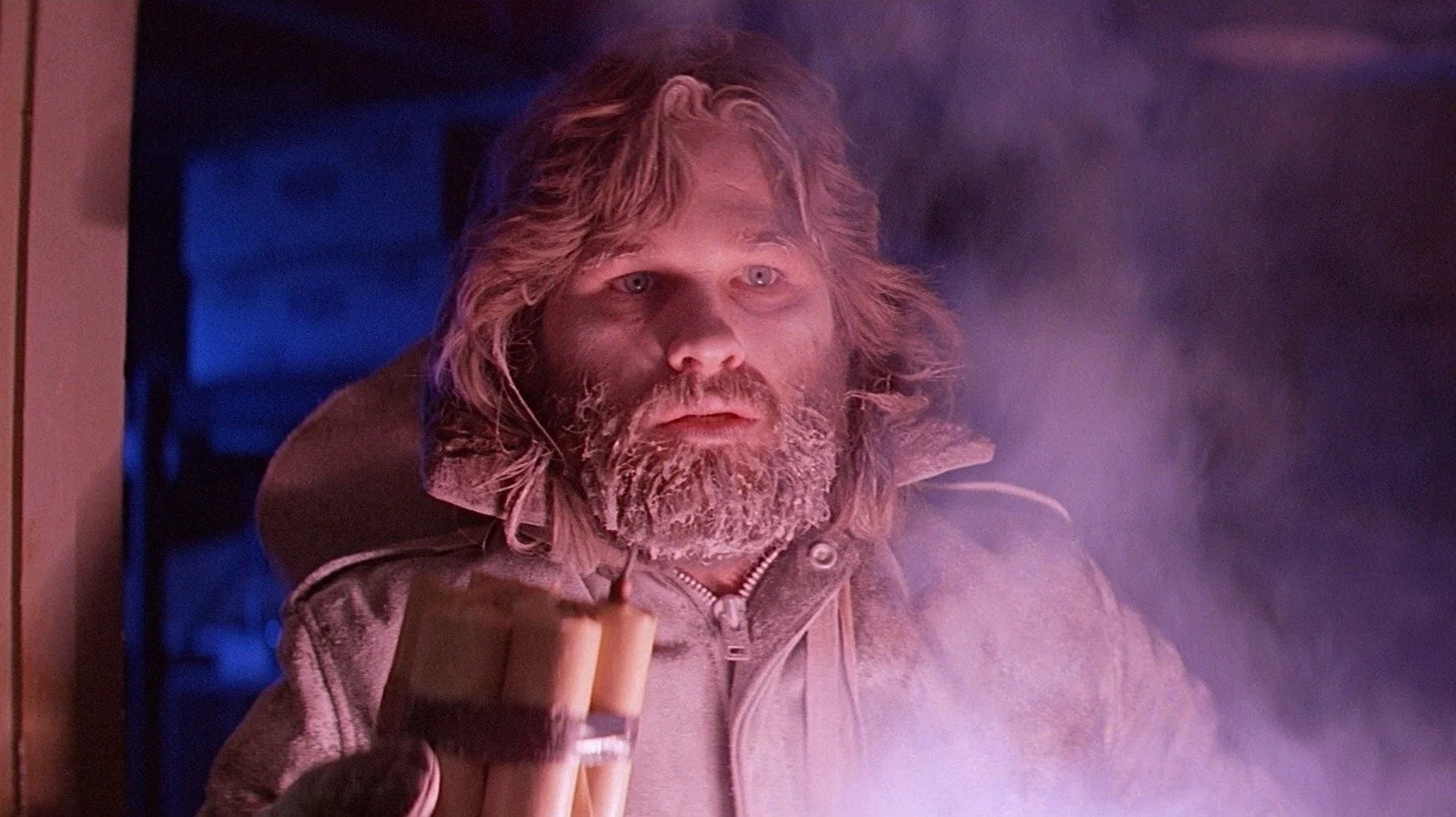
John Carpenter's The Thing is a paranoid nightmare set in the frozen wastes of Antarctica. When researchers discover an alien organism that can perfectly imitate any living creature, trust becomes impossible and anyone could be the enemy. The film's practical effects, created by Rob Bottin, remain shocking even today—the body horror is grotesque, imaginative, and disturbingly realistic.
What elevates The Thing beyond its incredible effects is its atmosphere of paranoia and distrust. It's a meditation on fear, isolation, and what makes us human. The ambiguous ending has sparked debates for decades, cementing its status as a film that refuses to provide easy answers.
Event Horizon (1997)
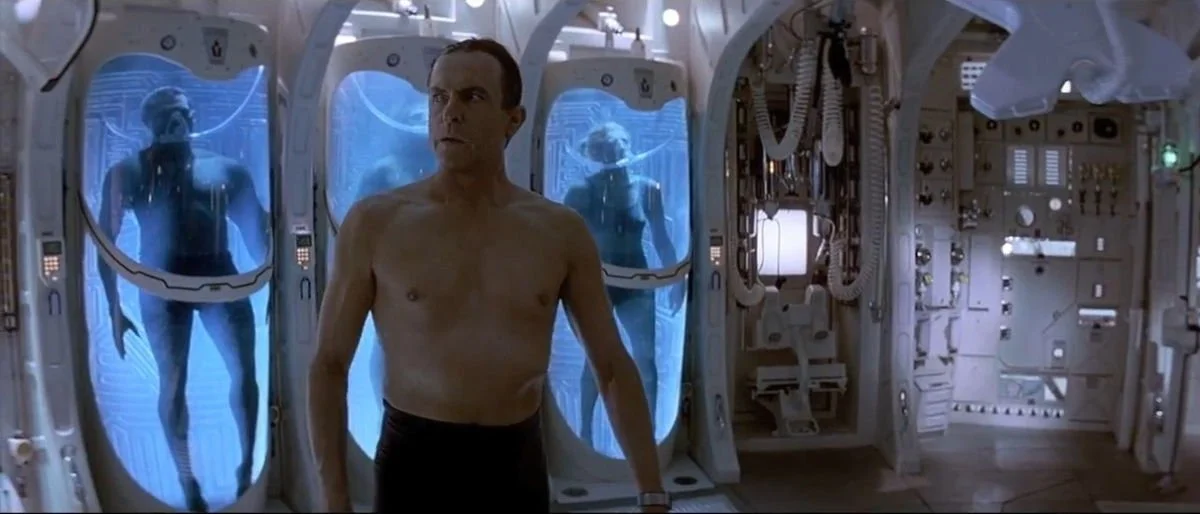
Paul W.S. Anderson's Event Horizon takes sci-fi horror into hellish territory, literally. When a rescue crew investigates a missing spaceship that's mysteriously reappeared near Neptune, they discover it's been to a dimension of pure chaos and evil. The film asks a terrifying question: what if hell isn't a place, but a dimension we could accidentally access through technology?
Event Horizon combines gothic horror with hard sci-fi, creating something uniquely disturbing. Its vision of a spacecraft as a haunted house, its crew driven mad by incomprehensible visions, taps into deep fears about what lies beyond our understanding. The film has gained a cult following for its unflinching commitment to cosmic horror.
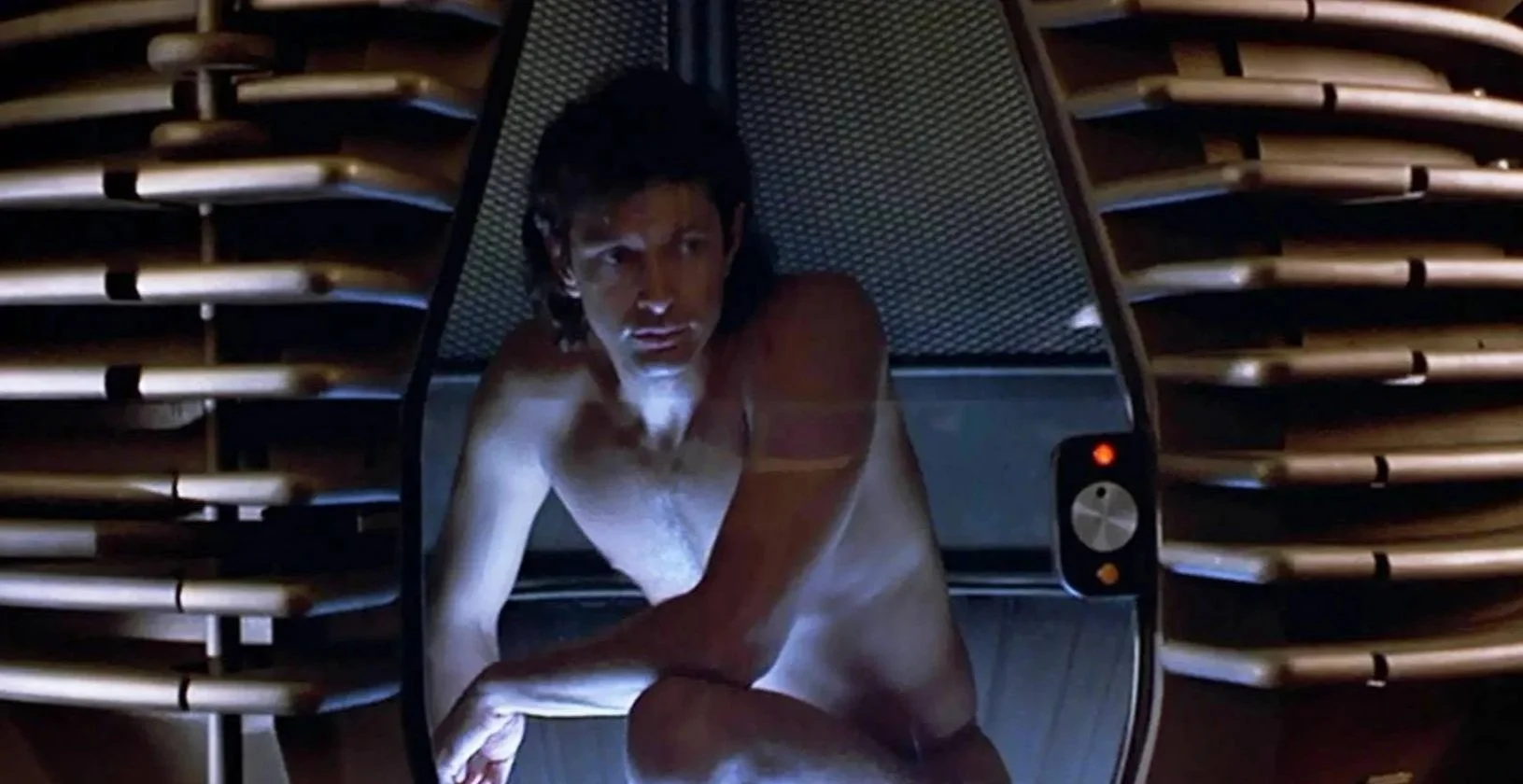
The Fly (1986)
David Cronenberg's remake of the 1958 film transformed a simple monster movie into a tragic, body-horror meditation on disease, decay, and loss of self. Jeff Goldblum gives a heartbreaking performance as Seth Brundle, a scientist whose teleportation experiment goes horribly wrong when his DNA is fused with that of a housefly.
What makes The Fly so powerful is that it's not just about transformation—it's about watching someone you love deteriorate before your eyes. Cronenberg uses the sci-fi premise to explore themes of illness and mortality, making the horror deeply personal. The practical effects are stunning and disturbing, charting Brundle's slow metamorphosis into something no longer human.
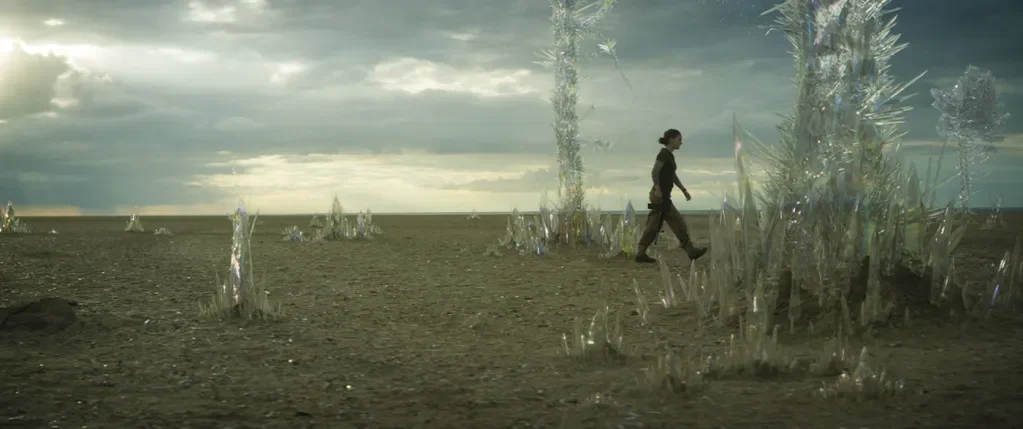
Annihilation (2018)
Alex Garland's adaptation of Jeff VanderMeer's novel is a recent addition to the sci-fi horror canon, but it's already a modern classic. When a mysterious extraterrestrial phenomenon called "The Shimmer" begins expanding across the American coastline, a team of scientists ventures inside to investigate. What they find is a place where the laws of nature have been rewritten, where DNA mutates and recombines in beautiful and terrifying ways.
Annihilation is philosophical horror at its finest, exploring themes of self-destruction, change, and what it means to be human. The film's imagery—from the haunting "bear scene" to the dreamlike final confrontation—lingers long after the credits roll. It's a film that trusts its audience to grapple with ambiguity and existential dread.
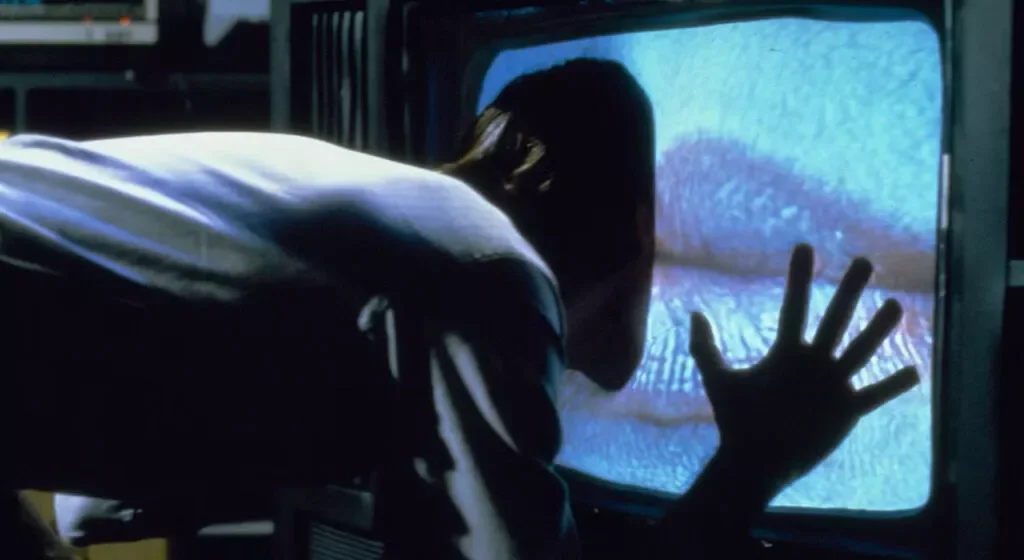
Videodrome (1983)
Another Cronenberg masterpiece, Videodrome explores the intersection of technology, media, and the human body in ways that feel more relevant than ever. James Woods stars as a sleazy cable TV executive who becomes obsessed with a mysterious broadcast signal that shows extreme violence. As reality and hallucination blur, his body begins to transform in response to the media he consumes.
The film's prescient commentary on media addiction, technology's invasion of our bodies and minds, and the malleability of reality makes it essential viewing. Cronenberg's vision of "the new flesh"—where humans and technology merge—predicted our current relationship with screens and virtual reality.
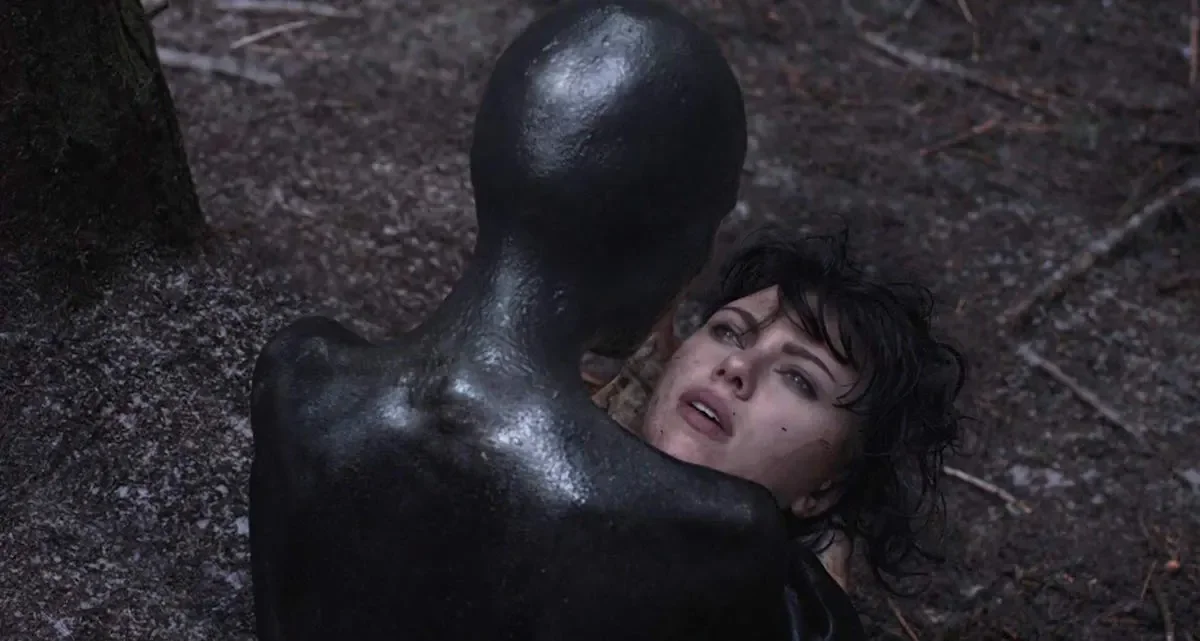
Under the Skin (2013)
Jonathan Glazer's hypnotic film starring Scarlett Johansson is sci-fi horror stripped to its essence. Johansson plays an alien creature disguised as a human woman, prowling the streets of Scotland to lure men to their doom. The film's minimalist approach—long stretches without dialogue, unsettling imagery, a droning soundtrack—creates an atmosphere of profound unease.
Under the Skin is horror through alienation, showing us our own world from the perspective of something utterly inhuman. As the creature begins to develop something resembling human consciousness, the film becomes a meditation on what it means to be alive, to feel, and to be vulnerable.
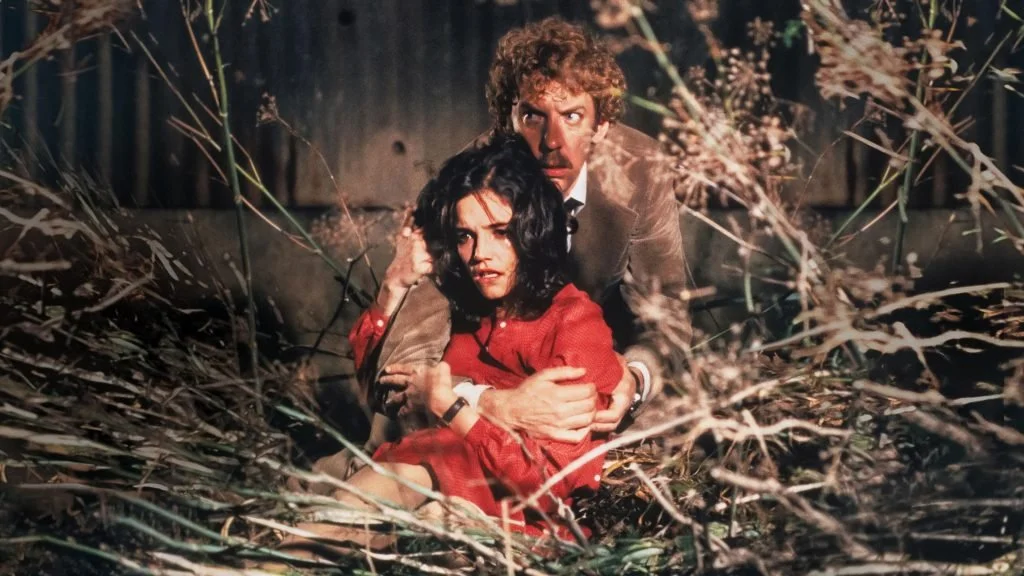
Invasion of the Body Snatchers (1978)
Philip Kaufman's remake of the 1956 classic relocates the action to San Francisco and amps up the paranoia to unbearable levels. When alien spores begin replacing humans with perfect, emotionless duplicates, no one can be trusted. The film captures the anxiety of realizing that the people around you—your friends, your lovers, your neighbors—might not be who they appear to be.
Donald Sutherland's performance anchors the film, and the final scene remains one of the most disturbing endings in cinema history. I have to say, I watched this movie on the late-late show when I was way too young. That final scene really stuck with me. I still hear that scream every time I see a photo of Donald Sutherland. The film’s themes of conformity, loss of individuality, and societal control resonate across decades, making it perpetually relevant.
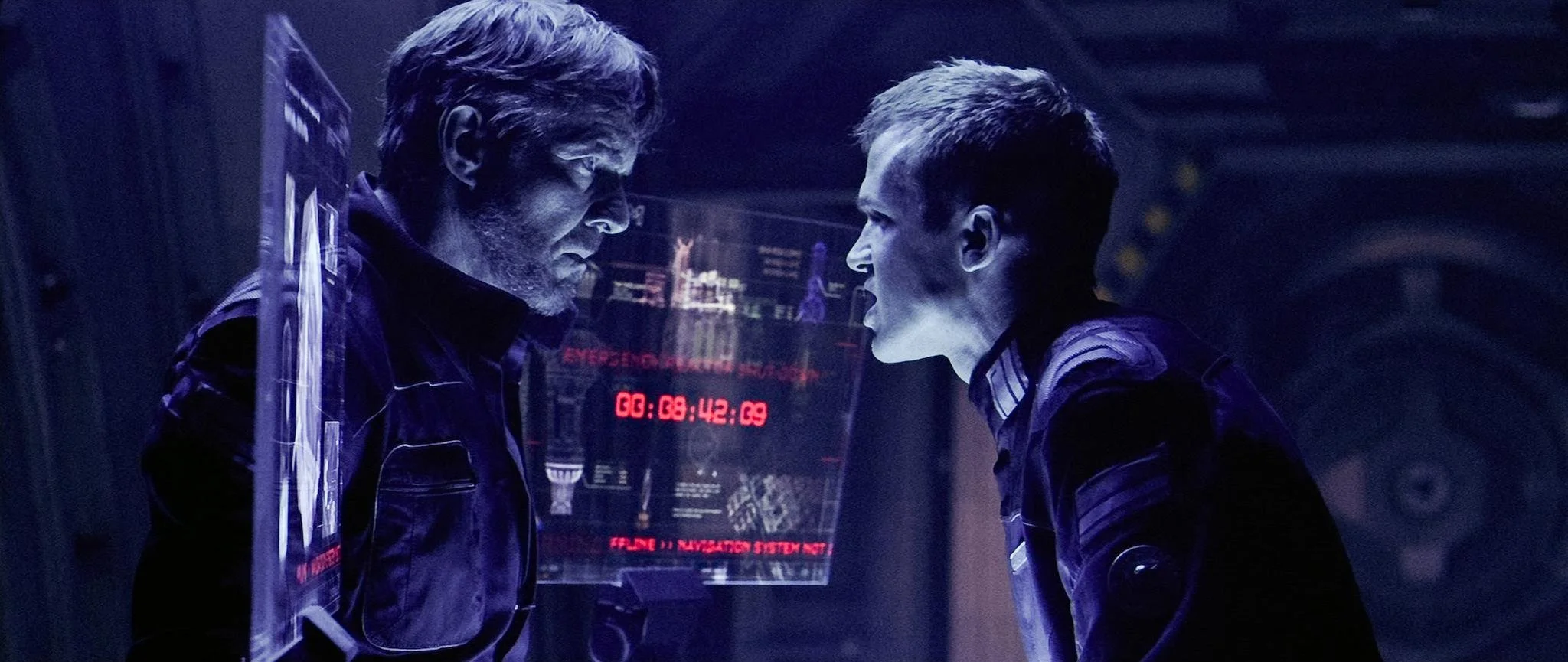
Pandorum (2009)
This underrated gem combines elements of Alien and Event Horizon to create its own unique nightmare. Two astronauts wake from hypersleep on a seemingly abandoned spaceship with no memory of their mission or how long they’ve been asleep. As they explore the dark corridors, they realize they're not alone—and something has gone terribly wrong during their voyage.
Pandorum excels at creating a sense of disorientation and dread. The film explores themes of memory, isolation, and the psychological toll of deep space travel, while delivering genuinely frightening creature designs and action sequences.
The Conclusion
The best sci-fi horror films do more than just scare us—they make us think. They use the trappings of science fiction to explore our deepest fears: the fear of the unknown, of losing our humanity, of being alone in an indifferent universe, of technology turning against us. These films remind us that the cosmos is vast, ancient, and fundamentally alien to human understanding.
Whether it's the biomechanical nightmare of the xenomorph, the paranoid dread of The Thing, or the existential terror of Annihilation, these movies prove that sci-fi and horror were always meant to be together. They're films that stay with you, that make you look at the stars a little differently, that remind you that out there—or inside ourselves—there are things we were never meant to find.
What makes these films timeless is their willingness to embrace the unknown and the unknowable. In an age where we think we can explain everything with science and reason, these movies remind us that some mysteries are better left unsolved, some doors should remain closed, and some questions should never be answered.
Sweet dreams, and remember: in space, no one can hear you scream.
