
When Books Break Into the Wrong Bestseller Lists
The Amazon Miscategorization Phenomenon
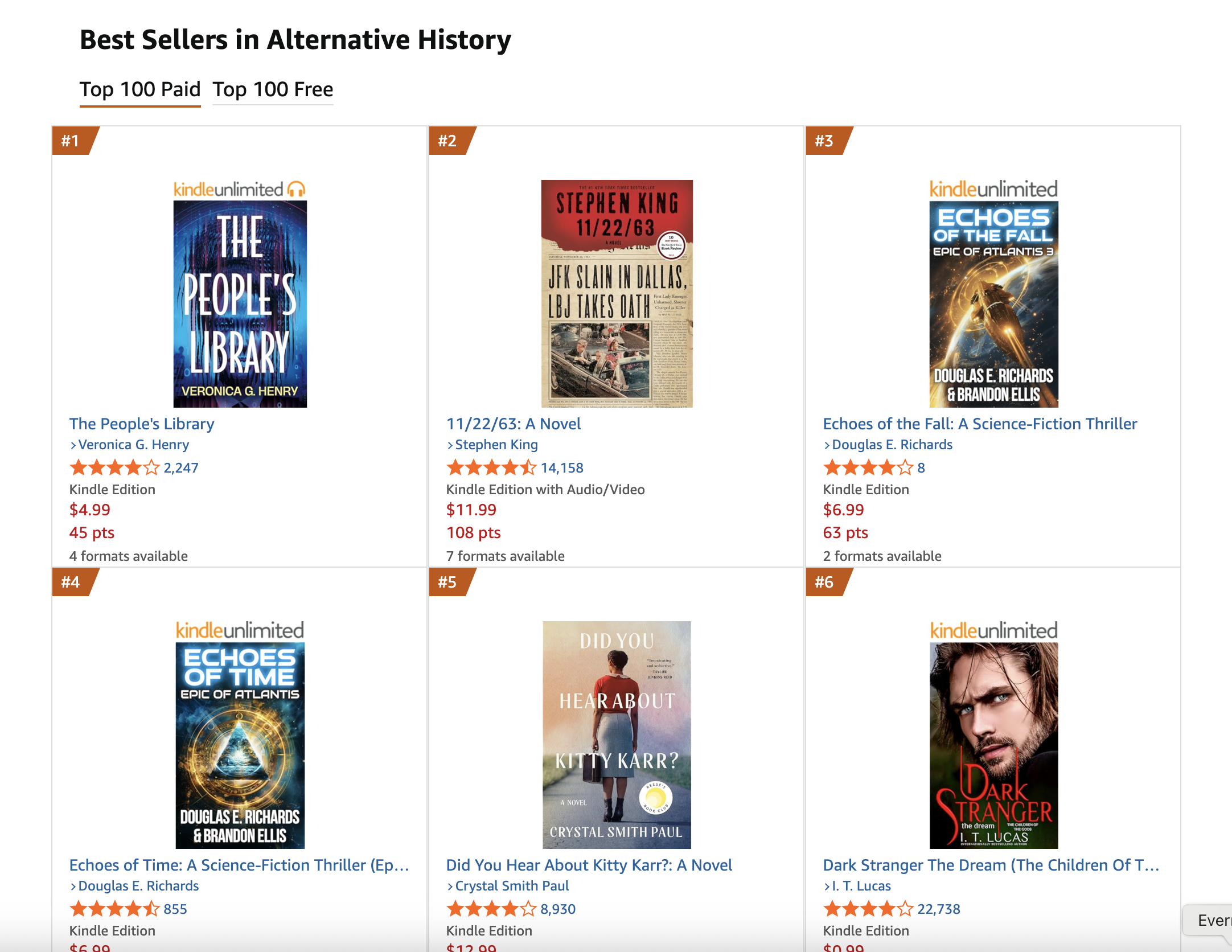
If you've been tracking Amazon's Alternative History category lately, you might have noticed something peculiar. The top two books dominating the charts aren't exactly what you'd expect from a genre that typically explores questions like "What if the Confederacy won the Civil War?" or "What if Hitler conquered Europe?"
Instead, sitting at #1 and #2 are "The People's Library" by Veronica G. Henry and "Did You Hear About Kitty Karr?" by Crystal Smith Paul—two critically acclaimed novels that have absolutely nothing to do with alternative history in the traditional sense.
Welcome to what I call the Amazon Miscategorization Phenomenon, a strategic dance between publishers, algorithms, and Amazon's category system that's quietly reshaping how books find their audiences.
What’s Actually Happening?
According to Publisher Rocket data, the Alternative History category has experienced a significant spike in recent weeks. When you dig into the numbers, the reason becomes immediately clear: two high-performing books from Amazon's broader science fiction charts have infiltrated this niche category, bringing their mainstream popularity with them.
Let's break down what these books actually are:
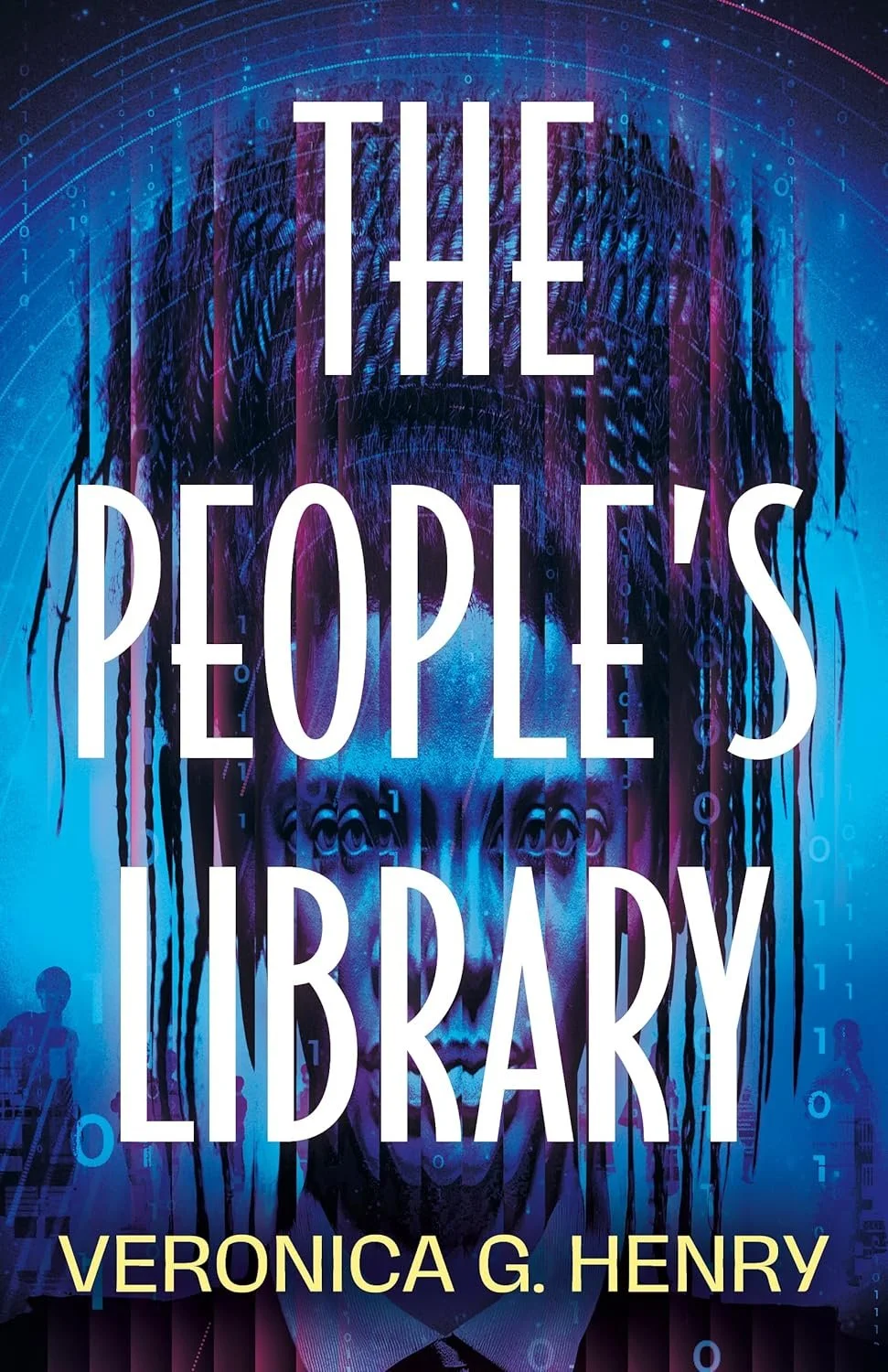
Veronica G. Henry
"The People's Library" (released February 1, 2026) is a near-future science fiction thriller about Echo London, a reluctant curator of a digital library containing human consciousness. The book explores AI ethics, censorship, and what happens when anti-technology rebels attack a futuristic library where visitors can interact with recreated versions of historical figures. It's speculative fiction, not alternative history.
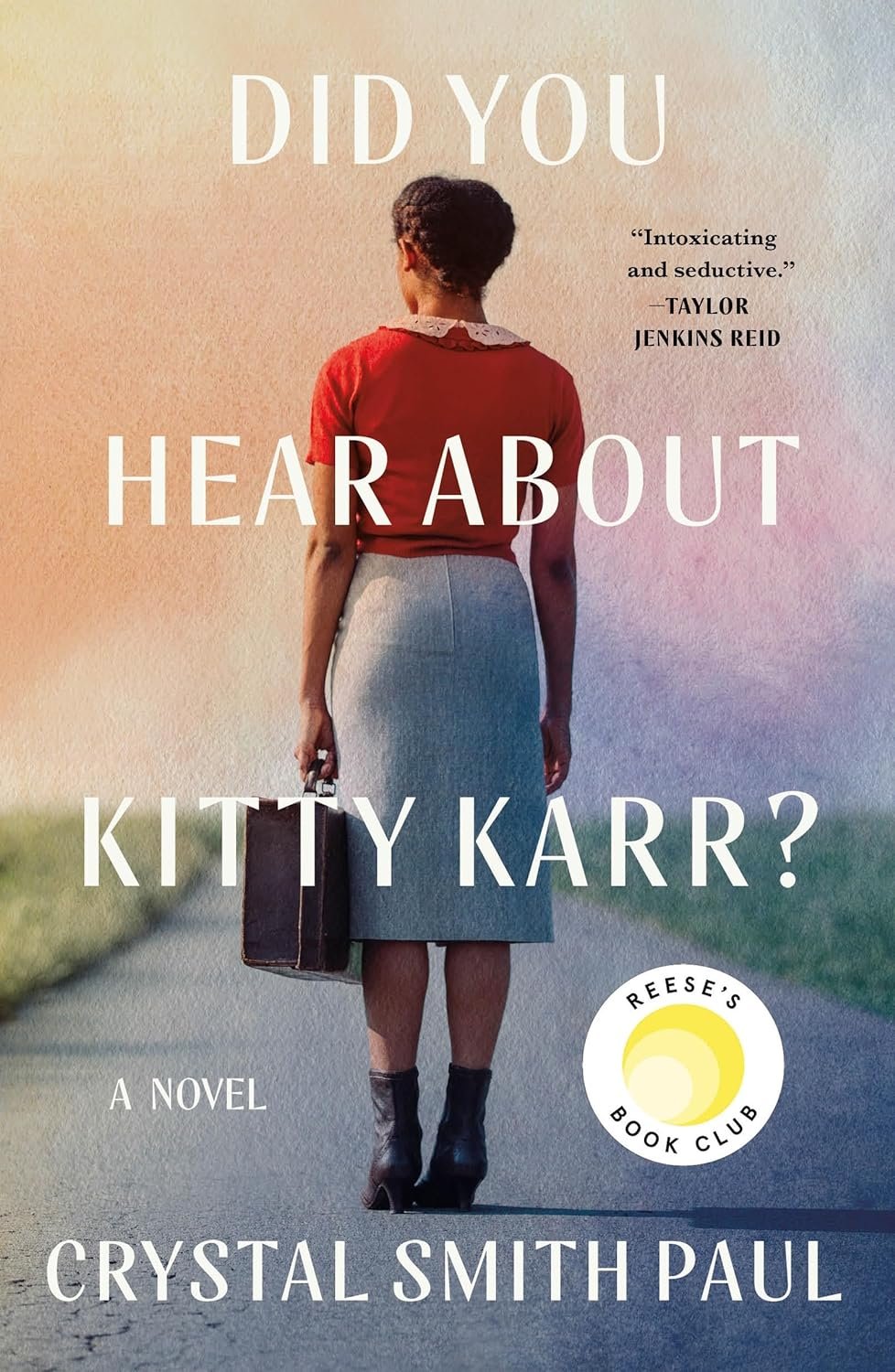
Crystal Smith Paul
"Did You Hear About Kitty Karr?" (originally published May 2023 as a Reese's Book Club pick) is a multigenerational family saga about racial passing in Old Hollywood. The novel follows the revelation that white Hollywood icon Kitty Karr Tate was actually a light-skinned Black woman who passed as white, and examines the ripple effects of this secret across generations. It's historical fiction, not alternative history.
Why Does This Matter?
Amazon's category system allows books to be listed in multiple categories, and publishers have become increasingly strategic about which categories they choose. A book can be a bestseller in the broad "Science Fiction" category while simultaneously ranking in much narrower, less competitive categories.
This creates what I call the "visibility arbitrage" effect. Here's how it works:
A popular book gets listed in a niche category where it doesn't quite belong but isn't technically prohibited
The book's existing popularity from broader categories drives it to the top of the niche category
The niche category experiences a traffic spike as readers discover it through the popular book
Publisher Rocket and similar tools flag the category as "trending"
More authors target the category, perpetuating the cycle
In this case, both "The People's Library" and "Kitty Karr" are performing well in general science fiction and historical fiction respectively. Their placement in Alternative History—likely through Amazon's flexible categorization rules—allows them to dominate a smaller pond while maintaining their position in the larger ones.
The Gray Area of Genre Classification
To be fair, there's a gray area here. One could argue:
"The People's Library" features historical figures recreated through technology, offering a kind of alternative interaction with history
"Kitty Karr" explores how history might have been different for one family had different choices been made about racial identity
But these are stretches. Traditional alternative history explicitly asks "What if a key historical event went differently?" Think Philip K. Dick's "The Man in the High Castle" or Stephen King's "11/22/63." These books fundamentally reimagine historical outcomes.
Neither of our top two books does this. Yet here they are, reshaping the Alternative History category's performance metrics.
Is This a Problem?
This depends on your perspective.
From a publisher's viewpoint: This is smart marketing. Amazon's system allows it, and getting your book ranked #1 in any category provides social proof, increases visibility, and drives sales. Both books are published by major publishers (47North for "The People's Library," Henry Holt for "Kitty Karr") who understand the system intimately.
From a reader's viewpoint: It's a mixed bag. Readers browsing Alternative History might discover excellent books they wouldn't have found otherwise. However, readers specifically seeking alternative history novels have to wade through mismatched results.
From an indie author's viewpoint: This can be frustrating. Indie authors often rely on Publisher Rocket data to find underserved categories where their genuinely alternative history novels might find an audience. When major publishers park mainstream books in niche categories, it distorts the data and makes it harder to find real opportunities.
The Broader Pattern
This isn't unique to Alternative History. Similar patterns appear across Amazon's category landscape:
Literary fiction often bleeds into commercial genre categories
Thrillers appear in "Espionage" despite lacking any spy elements
Romance novels populate "Women's Fiction" categories
Science fiction gets categorized under "Metaphysical" for any hint of consciousness themes
The common thread? Publishers testing the boundaries of where their books might gain additional visibility.
What Can We Learn?
If you're tracking book trends or trying to understand what's really happening in a category:
Look beyond the bestseller list. Check the actual content of top-ranking books to see if they genuinely represent the category.
Cross-reference with other tools. Publisher Rocket spikes might indicate miscategorization rather than genuine category growth.
Check publication dates and publishers. New releases from major publishers climbing niche category charts often signal strategic placement rather than organic category trends.
Read the book descriptions. The actual content often reveals whether a book truly belongs in its listed categories.
The Future of Category Gaming
As more authors and publishers become sophisticated about Amazon's category system, we'll likely see more of this creative categorization. Amazon periodically adjusts its algorithms and category rules, but the fundamental incentive structure remains: visibility drives sales, and categories provide visibility.
The Alternative History spike we're seeing right now is just one example of a much larger phenomenon. "The People's Library" and "Did You Hear About Kitty Karr?" are both excellent books deserving of their success—just not necessarily in the Alternative History category.
The real question is whether Amazon will tighten its category definitions or continue allowing this flexibility. For now, the miscategorization phenomenon continues, reshaping bestseller lists one strategic placement at a time.
Have you noticed other examples of books dominating categories where they don't quite belong? What's your take on this phenomenon—smart marketing or misleading readers? Let me know in the comments.
